In Store Merchandising: How Brands Win the First 13 Weeks in Retail After Their Product Is Listed

Rod Smith
Managing Director, Engagement Group
January 30, 2026
Getting a product stocked by a retailer is a major milestone. But in reality, it is only the starting line.
Getting a product stocked by a retailer is a major milestone. But in reality, it is only the starting line.
What happens in the first 13 weeks after a product hits the shelf often determines whether it builds sustainable momentum or quietly stalls. We see this time and again across grocery, hardware, pharmacy, and specialty retail stores. Products that win early tend to stay. Products that drift early rarely recover.
At Engagement Group, we work with brands across New Zealand and beyond, and one thing is consistent. Retail success is not decided in the boardroom or the pitch meeting. It is decided on the shop floor. Effective in-store execution is essential for a consumer goods brand’s profitable growth.
Retail execution refers to the set of activities and strategies brands implement in retail stores to optimise product placement, pricing, promotions, ticketing accuracy, and inventory management.
This article breaks down what brands need to get right in the first 13 weeks post-range, and why disciplined in-store execution is the difference between meeting run-rate targets and falling short.
Why the First 13 Weeks Matter So Much
Retailers expect new products to prove themselves quickly. The first 13 weeks are a critical benchmark used when reviewing new product development performance and determining whether a product is tracking as expected or at risk of being delisted from a category.
Over 70% of purchasing decisions are made at the point of shelf display, making in-store merchandising and execution crucial for converting shopper interest into actual purchases. This underscores how strategic product placement, accurate pricing, and engaging displays can significantly impact sales outcomes.
If a product fails to hit early run-rate targets, it raises questions internally for retailers. Is the price positioned correctly against the category? Are promotions activating demand? Are shelf tickets accurate and easy to read? Is the product easy to shop and consistently available? In many cases, poor early performance has nothing to do with the product itself and everything to do with how it shows up in-store.
The first 13 weeks should be treated as a focused performance window, not a bedding-in period. Effective retail execution keeps a brand visible, shoppable, and competitive during this critical review phase.
Run-Rate Targets Start With Shelf Availability
You cannot sell what is not on the shelf.
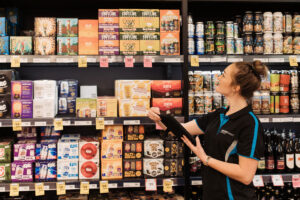
One of the most common issues we see in early-stage listings is inconsistent shelf availability. Stock may exist in the system, but if it is sitting in the storeroom, misplaced, or incorrectly replenished, it does not contribute to sales. Monitoring inventory and stock levels is crucial to prevent out-of-stocks and ensure better visibility, so products are always available to meet shopper demand.
Regular stock checks and timely replenishment ensure in-store execution meets shopper needs and brand standards. Full shelves maximise sales opportunities and signal reliability to customers. Many consumer goods companies struggle to successfully deliver on their in-store promotional strategies due to poor inventory visibility and low adherence to plans.
What Strong Shelf Availability Looks Like
Strong in-store merchandising ensures:
- Shelves are consistently full
- Gaps are addressed quickly
- Priority SKUs are replenished first
- Stock flow aligns with expected demand, especially during promotional periods
Field representatives need immediate access to accurate information, such as planograms, promotional mechanics, and display instructions, to set up product displays quickly and ensure proper shelf setup.
Early stock gaps create a false signal of low demand. Retailers look at data, not explanations, and empty shelves are interpreted as weak performance. Full shelves, clear tickets, and tidy displays signal reliability and professionalism.
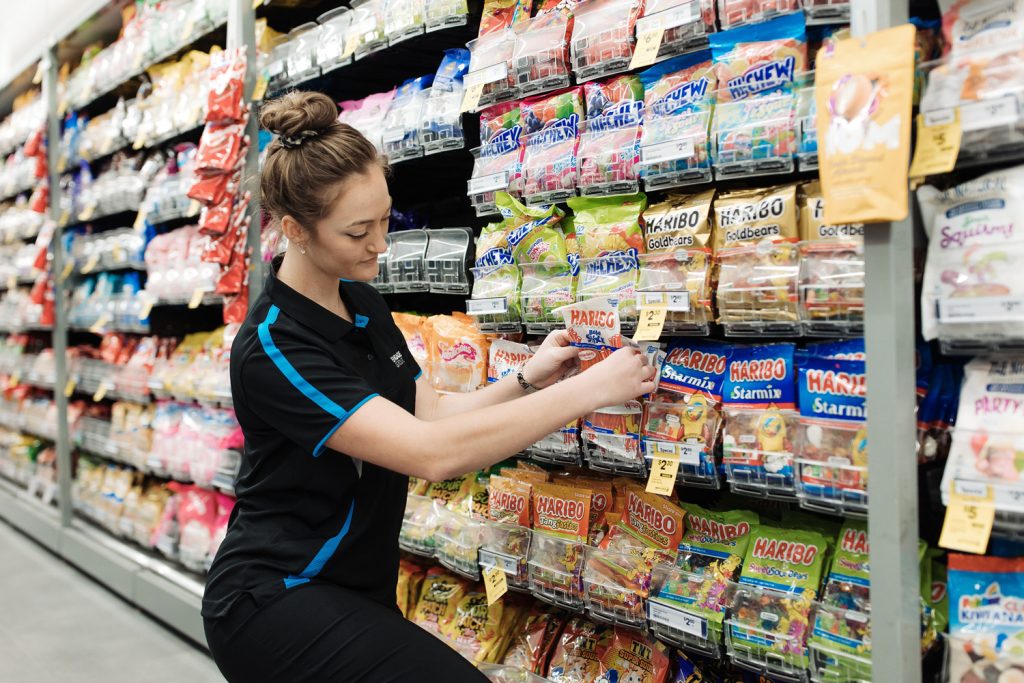
Positioning and Adjacencies Shape Early Perception
Where your product sits matters just as much as whether it is there. Securing prime shelf locations and optimising product positioning across multiple retail locations is essential for maximising visibility and driving sales.
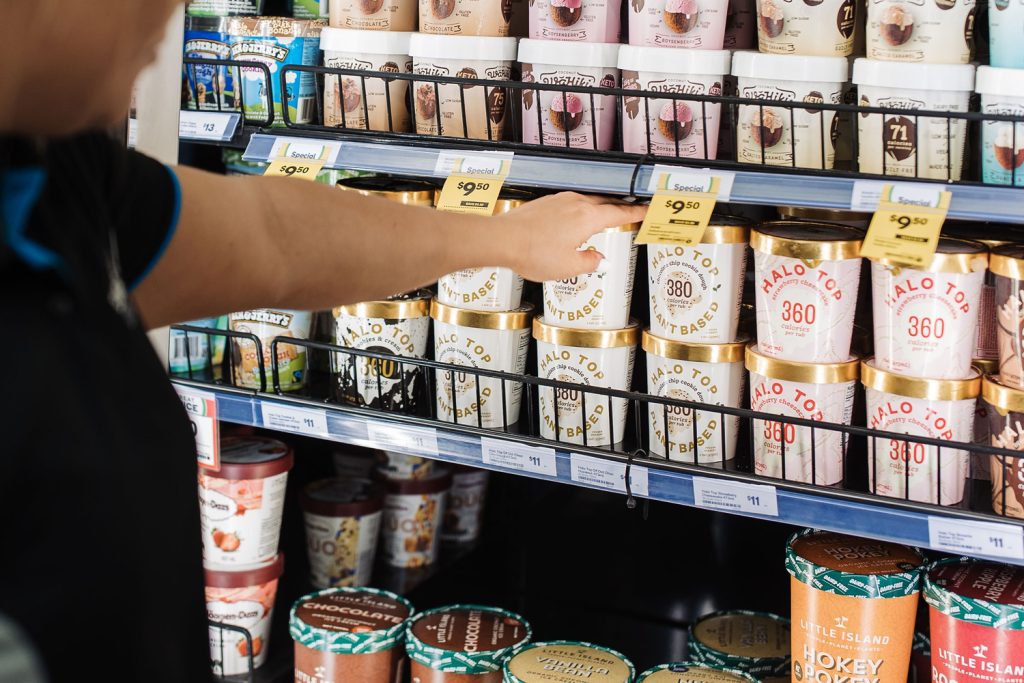
Positioning and adjacencies influence how shoppers discover and evaluate new products. A great product placed in the wrong section or surrounded by mismatched categories will struggle to gain traction. Pricing also plays a key role. If shelf tickets are missing, incorrect, or inconsistent with promotional activity, shoppers hesitate or walk away.
Products placed at eye level are 82% more likely to be purchased, and strategic product placement increases exposure and encourages multi-item purchases.
Comparing Look and Feel Against the Category
A practical and often overlooked step is reviewing your product’s look and feel against similar brands already on the shelf. This includes:
- Packaging visibility
- Size and scale compared to competitors
- Colour blocking and contrast
- Price communication clarity
Attractive packaging and clear presentation help capture the attention of potential customers, making your product stand out on the shelf.
If a shopper cannot instantly understand where your product fits, they will default to what they already know. Effective in-store merchandising impacts customer purchasing decisions by influencing what catches their eye and triggering impulse purchases.
Display Compliance Versus Real In-Store Execution
There is a big difference between theoretical compliance and what is actually happening in-store.
On paper, everything may look correct. Planograms are approved, displays are designed, and instructions are sent. However, following best practices for product displays and utilising promotional materials is essential to support effective retail execution and ensure consistent brand presentation.
But once those plans hit the shop floor, reality takes over.
Accurate planograms reduce shopper confusion and enhance shelf efficiency, while a well-executed planogram ensures the brand appears uniform across all retail locations.
Why Displays Drift So Quickly
Displays lose impact when:
- Products sell down and are not refilled
- Pricing becomes unclear or incorrect
- Adjacent products encroach on space
- Staff priorities shift to other tasks
A structured support plan for retailers—including training materials, promotional collateral, and point-of-sale displays—is essential to maintain display effectiveness and ensure consistent in-store merchandising results.
Without regular maintenance, even the best displays stop working. This is where reliable merchandising services make a measurable difference.
Supporting Early Sales With Human Engagement
For new products, visibility alone is often not enough. Engaging customers through well-coordinated in-store campaigns and offering discounts can encourage purchases and drive early adoption.
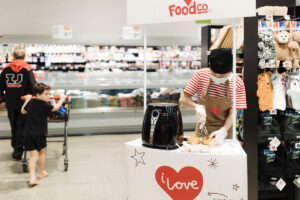
Brand ambassadors play a critical role in converting early interest into trial. Shoppers are naturally cautious with unfamiliar products. A knowledgeable, approachable ambassador can:
- Explain the benefits clearly
- Answer questions confidently
- Encourage trial and sampling
- Build trust at the shelf
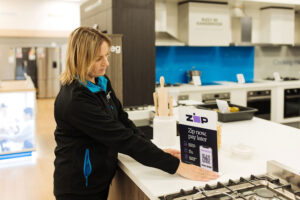
Effective in-store promotions, such as window posters and floor stickers, can significantly boost sales, while clear and compelling signage guides customers and communicates promotions effectively.
When brand ambassadors are combined with strong visual merchandising, early sales lift significantly, helping brands hit run-rate targets faster. Approximately 62% of shoppers make impulse buys while in-store, with strategic displays near checkout as primary triggers.

The Risk of Set-and-Forget Execution
One of the biggest mistakes brands make post-range is assuming the job is done once the product is on the shelf.
Retail environments are dynamic. Stores change daily. Without ongoing attention, products lose visibility, displays degrade, and performance slips without warning. Neglecting ongoing in-store merchandising can lead to increased business costs, missed opportunities for growth, and ultimately hinder the overall success of the business.
Effective retail execution helps consumer goods companies keep shoppers and retailers happy while driving revenue and growth for the brand.
Silent Failure Happens Fast
Silent failure looks like:
- Gradual loss of facings
- Inconsistent replenishment
- Reduced display presence
- Incorrect or missing shelf tickets
- Declining sales with no clear trigger
Avoiding silent failure is essential for a successful retail execution strategy, as it helps ensure positive outcomes and sustained growth in in-store merchandising.
By the time it is noticed, the damage is often already done.
Using Data Analytics to Drive Early Retail Success
In today’s competitive retail landscape, data analytics is a game-changer for brands looking to make an impact in the first 90 days. Leveraging data analytics gives retailers and brands valuable insights into consumer behaviour, market trends, and sales performance—enabling smarter, faster decisions that drive sales success.
A robust retail execution strategy starts with understanding what’s happening on the shop floor. By analysing retail sales data, brands can quickly spot which products are gaining traction, which need more shelf space, and where merchandising efforts are falling short. In New Zealand’s dynamic grocery stores and supermarkets, this means adjusting product placement, shelf placement, and in-store promotions in real time to capture more sales opportunities.
Why Ongoing Maintenance Protects Early Momentum
Winning the first 13 weeks is not about one perfect setup. It is about consistency.
Ongoing in-store merchandising ensures:
- Displays remain compliant
- Stock availability is protected
- Pricing and tickets remain accurate
- Shelf standards are maintained
- Performance issues are identified early
Effective retail merchandising relies on the expertise of skilled teams to maintain high standards and create engaging shopping experiences. Scalable services allow brands to adjust their merchandising efforts as their needs change, ensuring flexibility and efficiency.
This level of execution gives retailers confidence that a brand is invested in long-term success, not just short-term wins. Building strong retailer relationships is also essential, as it contributes to successful in-store promotions and negotiations.
Final Thoughts
Getting listed is an achievement. Staying listed and growing is the real challenge.
Brands that succeed in retail treat the first 13 weeks as a focused performance phase, backed by strong in-store execution, clear accountability, and ongoing maintenance. Following best practices and proven practices during this period is crucial for long-term growth and sustained success.
At Engagement Group, we support brands through this critical early window and beyond, ensuring products do not just arrive on shelf but perform once they get there.
Retail execution strategies are essential in motivating consumers to reach for products.
If you want to protect your next listing and give it the best possible chance of success, talk to our team today.
About the Author