How Shopper Psychology Changes When Money Tightens (And What Retailers Should Do)

Rod Smith
Managing Director, Engagement Group
April 30, 2026
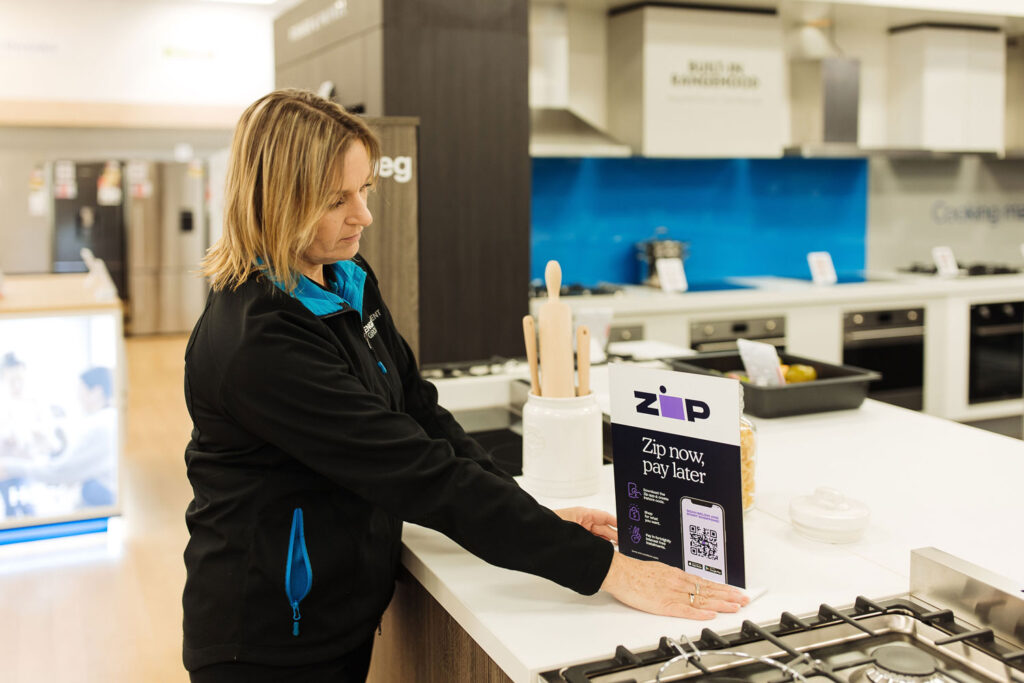
As financial pressure increases, shopper behaviour changes quickly and often quietly.
Approaching the end of the financial year, many households reassess spending. Budgets tighten, priorities shift, and purchase decisions become more deliberate. For retailers, this is not just a slowdown in retail sales. It is a shift in how shoppers think, evaluate, and act in-store, which has significant implications for the retail industry.
At Engagement Group, we see this pattern play out across retail environments in New Zealand and beyond. The brands that maintain performance during tighter economic periods are not always the cheapest. They are the ones who understand shopper psychology and adapt their in-store merchandising and visual merchandising accordingly. Visual merchandising is the practice of designing and displaying retail products in a way that maximises sales and enhances the customer experience, involving elements like colour, lighting, space, and arrangement.
This article breaks down how shopper behaviour changes when money is tight and what retailers should do to protect shopper engagement and retail sales.
Why Shopper Behaviour Shifts During Tighter Spending Periods
When disposable income reduces, shoppers do not stop buying. They simply become more selective.
Every purchase is weighed more carefully. Value becomes more important than impulse. Confidence becomes a deciding factor.
This shift affects:
- How long shoppers spend in-store
- What they notice first
- How they compare products
- What ultimately drives purchase decisions
Understanding these behavioural changes is critical for effective in-store merchandising and sustained retail sales in New Zealand.
Creating an Immersive Experience In-Store
In today’s competitive retail environment, creating an immersive in-store experience is a key aspect of engaging customers and encouraging repeat business. Visual merchandising is at the heart of this transformation, using a blend of visual merchandising elements—such as lighting, colour schemes, and interactive displays—to turn a retail store into a destination that customers want to explore.
Effective visual merchandising strategies go beyond simply arranging products on shelves. They craft a store environment that tells a story, evokes emotion, and invites customers to interact with products. For example, the strategic use of bright light can highlight new arrivals or seasonal displays, drawing customer attention and making the store easier to navigate. Interactive displays, such as digital screens or hands-on product demos, encourage customers to linger, try products, and engage with the brand on a deeper level.
Grocery stores often excel at this by using themed decorations and seasonal displays to create a festive atmosphere. Whether it’s a springtime floral arrangement or a winter holiday setup, these visual cues entice customers to shop in-store, explore new products, and participate in seasonal sales. This not only increases dwell time but also boosts sales by encouraging impulse purchases and cross-category exploration.
The impact of immersive visual merchandising extends to customer satisfaction and brand loyalty. When customers encounter a thoughtfully designed retail space, they are more likely to associate positive emotions with the brand, leading to increased brand loyalty and repeat purchases. Visual merchandising elements such as cohesive colour palettes, engaging window displays, and well-placed signage all contribute to a memorable shopping experience that sets a brand apart from competitors.
To maximise the benefits, retailers should regularly update their merchandising strategies to reflect current industry trends and seasonal events. Incorporating interactive installations or digital displays can further enhance the in-store experience, making it more dynamic and appealing to a broader target audience.
Quick Win: Refresh your store’s visual merchandising elements with seasonal displays and interactive features to create an immersive environment that attracts customers and encourages them to shop in-store.
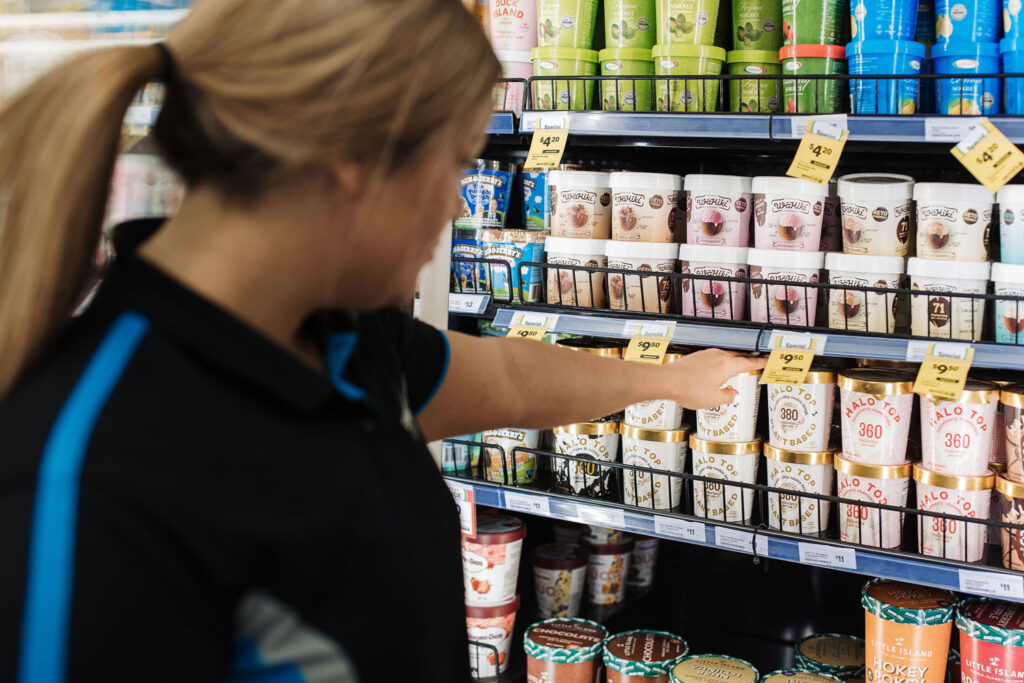
1. Decision Fatigue Increases
When budgets are tight, every decision carries more weight. This leads to decision fatigue.
Strong visual merchandising should focus on the key elements—such as store layout, product placement, and display components—to simplify decision-making, not complicate it. Shoppers become overwhelmed more easily, especially in categories with too many options or unclear differences between products.
What This Means In-Store
If a shopper has to think too hard, they are more likely to:
- Delay the purchase
- Choose a familiar brand
- Walk away entirely
How to Adapt Your Merchandising
Effective merchandising and strong visual merchandising should simplify decision-making, not complicate it.
Focus on:
- Clear product grouping by need or use
- Reducing clutter within retail displays
- Highlighting “best choice” or “top seller” products
- Creating logical flow across shelves
Quick Win: Limit unnecessary choices on displays. Fewer, clearer options increase shopper engagement and conversion.
2. Price Sensitivity Becomes More Pronounced
As spending tightens, price becomes a more dominant factor in shopper behaviour.
However, this does not always mean shoppers choose the cheapest option. It means they look harder for value. Effective merchandising strategies can help boost sales even during periods of increased price sensitivity by highlighting value and creating compelling in-store experiences.
What Shoppers Are Really Asking
- Is this worth it?
- Why is this priced higher?
- What do I get for the price?
How to Adapt Your In-Store Merchandising
Effective in-store merchandising must clearly communicate value, not just price, as this approach can help increase sales by attracting customers and encouraging purchases.
Focus on:
- Clear, visible pricing on every product
- Strong promotional messaging
- Simple comparisons between price tiers
- Highlighting savings, bundles, or multi-buy offers
Quick Win: Ensure pricing is visible within two seconds. If shoppers cannot find the price quickly, they often disengage.
3. Risk Aversion Increases
When money is tight, shoppers become more cautious.
They are less willing to try new or unfamiliar products unless they feel confident in the decision. A strong brand’s image, supported by effective visual merchandising, can help build shopper confidence by clearly communicating the brand’s identity and values.
- They stick to familiar brands and products.
- They look for deals, discounts, and promotions.
- They avoid unnecessary purchases.
- They research more before buying.
Visual merchandising contributes to a brand’s personality and helps differentiate it from competitors, creating brand loyalty and allowing for premium pricing on products.
What This Means for Retail Sales
New products and lesser-known brands face higher resistance during these periods.
Shoppers default to:
- Trusted brands
- Previously purchased products
- “Safe” choices
How to Build Confidence In-Store
This is where shopper engagement becomes critical. Customer engagement is a cornerstone of successful store merchandising, turning casual shoppers into loyal customers through in-store promotions, creative displays, and strategic shelf placement.
Retailers can reduce perceived risk through:
- Clear product benefits on signage
- Strong packaging visibility
- Consistent product presentation
- Social proof, such as “bestseller” or “customer favourite”
Quick Win: Position new products next to established, high-performing items to borrow trust and improve visibility.
4. Value Perception Drives Purchase Decisions
Value is not just about price. It is about perceived benefit.
Shoppers are asking: “What do I get for what I spend?”
What Builds Value Perception:
- Quality of product
- Brand reputation
- Packaging and presentation
- Customer service
- Store environment
- Promotions and discounts
- strategic product placement
Effective in-store merchandising goes beyond simply placing products on shelves; it is a strategic approach that combines consistency, attention to detail, and proactive replenishment to create an engaging retail environment.
What Builds Value Perception?
- Clear product benefits
- Quality presentation
- Strong visual merchandising
- Logical product placement
Poor presentation reduces perceived value instantly, even if the product itself is strong.
How to Strengthen Value Through Visual Merchandising
Focus on:
- Clean, well-maintained displays
- Strong vertical blocking
- Clear hierarchy within displays
- Premium placement for high-value SKUs
- Creating displays that highlight product benefits
Leveraging data analytics and customer insights allows retailers to design targeted promotions and displays that resonate with their audience, making each visit feel unique and relevant.
Quick Win: Improve presentation before reducing price. Better retail displays often increase perceived value without discounting.
5. Shoppers Spend Less Time Browsing
In tighter economic periods, shopping becomes more task-focused. Store design and layout are significant factors for maintaining a thriving business, as they can help advance sales and profitability by influencing how efficiently shoppers navigate the store.
Shoppers are less likely to browse and more likely to:
- Enter with a clear intention
- Move quickly through categories
- Make faster final decisions
What This Means for In-Store Execution
You have less time to capture attention and influence decisions. Visual stimuli such as lighting, signage, and digital displays play a crucial role in quickly engaging shoppers and shaping their initial impressions.
How to Increase Shopper Engagement Quickly
Your retail displays must work harder, faster.
Focus on:
- Strong front-of-display impact
- Clear messaging at first glance
- Eye-level placement for key products
- Minimal clutter and distractions
Quick Win:
Test your display with a “3-second rule”. If the value is not clear in three seconds, it needs simplifying.
6. Brand Loyalty Becomes More Fragile
Brand loyalty can weaken when shoppers are under financial pressure. Customer loyalty is crucial for long-term success, and consistent visual branding, along with integrating human elements like brand ambassadors, can strengthen the connection with customers, encouraging repeat visits and deeper commitment to the brand.
Even loyal customers may switch if:
- A competitor offers clearer value
- The product is not available
- The in-store experience creates friction
What This Means for Retailers
You cannot rely on past behaviour. Every visit is a new decision.
How to Reinforce Loyalty In-Store
Consistency is key.
Focus on:
- Reliable stock availability
- Consistent in-store merchandising standards
- Clear pricing and promotions
- Positive shopper experience
- Engage customers through personalised service and interactive displays
Quick Win: Out-of-stocks are more damaging during tight periods. Protect availability at all costs.

Customer Journey Mapping: Understanding Shoppers’ Path to Purchase
Understanding the customer journey is essential for retailers aiming to optimise the shopping experience and drive more sales. Customer journey mapping allows visual merchandisers to gain a deeper understanding of consumer behaviour, track purchasing decisions, and identify key touchpoints where merchandising strategies can have the greatest impact.
By mapping out the typical path a customer takes—from entering the store to making a purchase—retailers can identify opportunities to guide customers more effectively through the shopping journey. This process involves analysing how customers interact with visual elements, navigate the store layout, and respond to product displays. For example, department stores can use journey mapping to pinpoint high-traffic areas where customers tend to linger, then place strategic product displays or interactive installations in those zones to encourage engagement and repeat purchases.
Visual merchandising plays a crucial role in shaping the customer journey. Well-placed signage, clear wayfinding, and visually appealing product displays help guide customers through the retail space, making it easier for them to find what they need and discover new products along the way. By understanding where customers pause, what catches their eye, and which displays drive purchasing decisions, retailers can continuously refine their merchandising strategies for maximum impact.
Online visual merchandising also supports the in-store experience by providing a consistent brand image across all channels. For instance, digital displays in-store can mirror online promotions or highlight trending products, creating a seamless transition between digital and physical shopping environments. This consistency not only enhances brand recognition but also builds trust and encourages customers to engage with the brand both online and in-store.
To get the most out of customer journey mapping, retailers should regularly review sales data and customer feedback, using these insights to adjust store layout, update visual elements, and introduce new merchandising strategies tailored to their target market.
Quick Win: Use customer journey mapping to identify high-impact areas in your store and enhance them with compelling product displays and visual elements that guide customers toward purchase and foster brand loyalty.
Bringing It All Together: What Retailers Should Do Now
When shopper behaviour shifts, retail strategy must shift with it. Visual merchandising is an integral part of a broader marketing strategy designed to attract customers and enhance the customer experience.
The brands that maintain retail sales in New Zealand during tighter periods focus on:
- Simplicity in product presentation
- Clarity in pricing and value
- Consistency in in-store merchandising
- Strong visual merchandising that guides decisions
- Ongoing attention to execution standards
An effective store layout encourages consumers to shop the entire store and view an extensive assortment of merchandise, enhancing the overall shopping experience.
This is not about large-scale changes. It is about disciplined execution of the fundamentals.
The Role of Merchandising Services in Changing Shopper Behaviour
Adapting to shifting shopper behaviour requires more than strategy. It requires consistent execution in-store.
Merchandising services play a critical role in:
- Maintaining display standards
- Ensuring pricing accuracy
- Protecting stock availability
- Supporting shopper engagement at the shelf
- Maintaining effective purchase displays and store displays
Colour is a powerful tool in exterior displays, as it can create atmosphere, grab attention, and attract customers to the store.
Without this support, even well-designed strategies break down on the shop floor.
Final Thoughts
When money is tight, shopper behaviour does not become unpredictable. It becomes more intentional.
Shoppers look for clarity, value, and confidence in every purchase decision.
Retailers who understand this shift and adapt their in-store merchandising and visual merchandising will continue to perform, even in more challenging conditions. In physical stores, visual merchandising—including the strategic use of display windows and store windows as visual entry points—plays a crucial role in attracting customers and influencing purchasing decisions. Window displays are specifically designed to grab the attention of passersby and entice them to enter the store; an appealing window display can create desire for products and help generate sales. Lighting and scent marketing also significantly impact shopper behaviour: brightly-lit displays can inspire energy and action, while subdued lighting creates a relaxed atmosphere, and pleasant scents can encourage customers to linger and make purchases. In store design, the choice of layout—such as grid, racetrack, or free form—affects how shoppers navigate the space and interact with products, directly impacting their behaviour. Effective visual merchandising not only showcases current fashion trends to engage customers but also extends to online shoppers through high-quality imagery and interactive features that replicate the in-store experience.
At Engagement Group, we help brands align their in-store execution with real shopper behaviour, ensuring retail displays remain effective, engaging, and commercially strong.
If you want to strengthen shopper engagement and protect retail sales during changing market conditions, contact our team today: https://engagementgroup.co.nz/contact/
About the Author