Why Your Retail Execution Isn’t Working In-Store (And How to Fix It)

Rod Smith
Managing Director, Engagement Group
April 23, 2026
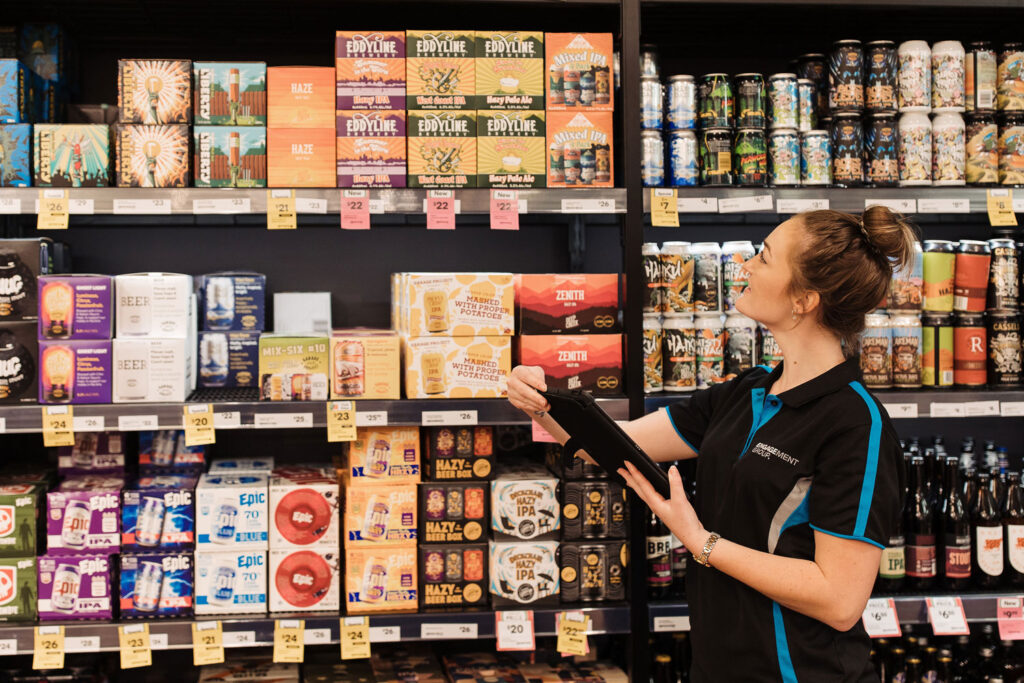
Retail execution is one of the largest investments brands make once they are listed in-store.
Planograms are approved. Displays are designed. Merchandising support is agreed as part of the terms of trade. On paper, everything looks covered.
But what we continue to see across New Zealand retail is a growing disconnect between what brands believe is happening in-store and what is actually happening on the shop floor.
This is the execution gap. Retail execution is the process of turning brand plans, merchandising strategies, and promotions into consistent in-store action.
It is not caused by one major failure. It is driven by a series of small, often invisible breakdowns that occur when in-store merchandising is not actively maintained, monitored, and verified.
For brands, the impact is significant. Missed sales, underperforming ranges, and reduced retailer confidence often stem from execution gaps, not product issues. Effective retail execution is vital for strengthening brand visibility and presence in stores.
This article breaks down where the gap comes from, why it is increasing, and how brands can close it before it impacts retail sales performance.
What Is Retail Execution and Why Does It Matter?
Retail execution is the process of bringing a retailer’s strategies and plans to life within their stores, ensuring that every aspect of the customer journey is optimised for success. It encompasses everything from shelf placement and planogram compliance to stock availability and pricing accuracy. In today’s fast-paced retail environment, effective execution is critical—not just for driving sales performance, but for delivering a seamless customer experience that keeps shoppers coming back.
For retailers in New Zealand, retail execution holds particular significance. The retail sector is a major driver of economic activity, contributing to the country’s overall growth and prosperity. With customers having more choices than ever, retailers must focus on store operations and compliance to stand out in a crowded market. By prioritising retail execution, businesses can reduce out-of-stocks, improve shelf availability, and respond quickly to changing sales trends. Ultimately, strong execution leads to higher revenue, increased customer loyalty, and a leading position in the market.
The Illusion of Execution
Most brands operate with a level of trust in their retail execution.
If merchandising services are in place, the assumption is that:
- Merchandising processes are being executed correctly
- Displays are built correctly
- Stock is on the shelf
- Planograms are being followed
- Pricing is accurate
- Promotional activity is live
From a head office perspective, this makes sense.
But retail environments are not static. They change daily. To ensure execution is maintained over time, robust systems and processes are needed to monitor and manage store operations effectively.
Without direct visibility into store-level execution, it is easy for brands to believe everything is working as intended when, in reality, performance is already starting to slip.
This illusion of execution is one of the biggest risks to retail sales performance.
Why the Execution Gap Is Growing
One of the biggest drivers behind the execution gap is the reduction of in-store labour.
Retailers are under constant pressure to manage costs. As a result:
- Fewer staff are on the shop floor
- Replenishment is delayed
- Display maintenance becomes inconsistent
- Priorities shift toward immediate operational tasks
This is not a reflection of poor store teams. It is a reflection of the environment they are working in.
When labour is stretched, execution suffers.
Tasks like maintaining displays, refilling stock, correcting shelf tickets, and protecting planogram compliance are often deprioritised, even though they directly impact retail sales.
For brands relying on consistent in-store merchandising, this creates a growing risk. Execution gaps can hinder business development and growth strategies, making it harder for brands to achieve their objectives. Strong retailer relationships contribute to closing the execution gap and achieving overall success.
Where In-Store Merchandising Breaks Down
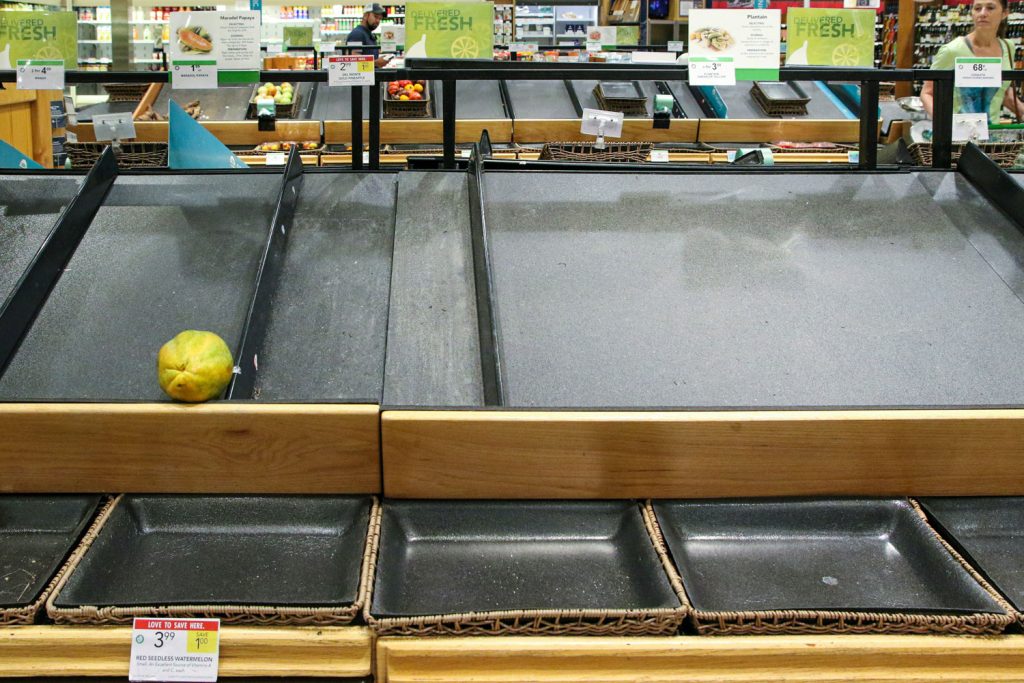
The execution gap is not one single issue. It shows up across multiple touchpoints in-store and is observed across multiple retail stores and specific store locations, where correct product placement and merchandising are critical for effective retail execution.
1. Displays Are Not Maintained
A display may be set up perfectly on day one, but without ongoing attention:
- Stock sells down and is not replenished
- Products are moved or misplaced
- Adjacent items creep into the space
Maintaining shelves is crucial in retail execution, as effective shelf compliance is a continuous measure of how well stores execute merchandising and availability guidelines at the point of sale, directly impacting sales and the shopper experience.
Within days or weeks, the display no longer reflects the original intent.
2. Stock Exists, But Not on Shelf
In many cases, inventory is technically available but not visible to shoppers.
Stock sits:
- In the storeroom
- On pallets waiting to be unpacked
- In the wrong location
- In the warehouse
From a reporting perspective, stock is “in store”. From a shopper’s perspective, it is unavailable. Poor shelf compliance can lead to phantom out-of-stocks, where products are not visible to shoppers even though they exist in inventory, resulting in lost sales opportunities. Inventory management processes should include checking the line for alternative products or reordering when shelves are empty.
3. Planograms Drift Over Time
Planograms are critical for effective retail execution, but they require maintenance. Using standardised planograms helps ensure brand consistency across all locations, maintaining a unified brand presence and representation on the shelf.
Without support:
- Facings reduce
- Product positions shift
- Category flow breaks down
Over time, the shelf no longer reflects the strategy that was designed to drive sales.
4. Pricing and Tickets Become Inconsistent
Shelf tickets are one of the most overlooked elements of in-store merchandising.
Common issues include:
- Missing tickets
- Incorrect pricing, which means products are not offered at the right price to attract consumers and maximise sales
- Promotions not applied correctly
These small breakdowns create hesitation at the point of purchase and directly impact conversion. Accurate promotion implementation is vital for driving sales, maintaining consumer trust, and maximising ROI if executed properly.
The Cost of Not Knowing
One of the most challenging aspects of the execution gap is that it is not immediately visible.
Brands often first notice the problem through:
- Slower retail sales
- Missed promotional targets
- Lower-than-expected run rates
At this point, the assumption is often that:
- The product is underperforming
- The price is wrong
- The category is slow
But in many cases, the underlying issue is execution.
Without clear visibility into in-store merchandising, brands are making decisions based on incomplete information. Retail audits are essential for measuring business performance, documenting sales trends, and identifying inventory status, which can lead to improved customer experience. Using audits to measure execution and performance helps brands identify and address gaps before they impact sales.
This leads to:
- Unnecessary changes to pricing or promotions
- Reduced investment in ranges that could perform
- Lost opportunities to improve retail sales performance
Why Reporting Doesn’t Always Reflect Reality
Many brands rely on reporting to track retail execution.
However, not all reporting captures the true state of the shop floor.
There can be gaps between:
- Reported compliance
- Actual shelf conditions
- Real-time stock availability
Modern systems, such as those using AI image recognition, are now used by retailers to conduct audits and compare shelf reality to the intended plan, helping to bridge these gaps.
A display may be marked as compliant at the time of setup, but that does not guarantee it remains compliant days or weeks later.
Without regular, on-the-ground validation, reporting can create a false sense of confidence.
Retail Audits: Turning Assumptions Into Facts
This is where retail audits become critical.
A proper in-store audit does more than confirm presence. It evaluates:
- Shelf availability
- Display condition
- Planogram compliance
- Pricing accuracy
- Stock positioning
These audits involve various processes, such as compliance checks, inventory management, and regular operational workflows, all aimed at streamlining and improving store performance. Common types of retail audits include daily store opening and closing audits, merchandising audits, inspection audits, and customer experience audits. To maximise the benefits of these audits, it is important to set clear objectives, train auditing teams, and utilise modern technology such as auditing software. Regular audits can identify execution gaps early, ensuring adherence to planned strategies.
It answers a simple but powerful question: What does reality actually look like on the shelf right now?
For brands, this visibility changes everything.
Instead of reacting to sales decline, they can:
- Identify issues early
- Correct execution quickly
- Protect retail sales performance
Retail audits are not about fault-finding. They are about clarity and control.
Best Practices for In-Store Retail Execution
Achieving excellence in retail execution requires a commitment to best practices that address every aspect of store-level operations. Retailers should ensure that products are always displayed according to planograms, stock levels are maintained to meet demand, and pricing is accurate and visible. These fundamentals not only create sales opportunities but also support overall compliance with industry standards.
A positive customer experience starts with a well-organised, clean, and inviting store environment. Retailers should invest in staff training to deliver outstanding customer service and offer a range of services that meet the evolving needs of their customers. Regular audits are essential for measuring execution, identifying gaps, and driving continuous improvement. By leveraging data and industry statistics—especially those relevant to the New Zealand market—retailers can make informed decisions that fuel business growth and keep them ahead of the competition.
From Set-and-Forget to Active Retail Execution
The brands that consistently perform well in-store take a different approach.
They do not assume execution is happening.
They actively manage it.
This includes:
- Plan store visits and merchandising activities strategically
- Regular store visits
- Ongoing merchandising support
- Real-time reporting and insights
- Clear accountability for standards
Mobile task management equips staff with apps that provide actionable checklists and real-time task oversight.
In-store merchandising becomes an ongoing process, not a one-time setup.

Creating a Positive Customer Experience In-Store
Delivering a positive customer experience is at the heart of successful retail execution. Retailers can achieve this by focusing on eye-catching product displays, strategic product placement, and effective merchandising that highlights their brand’s strengths. Ensuring that inventory is well-managed and stock levels are sufficient means customers can always find what they need, when they need it.
Staff play a crucial role in shaping the customer experience. Well-trained employees who are knowledgeable, approachable, and proactive in assisting shoppers can turn a routine visit into a memorable one. By resolving issues quickly and providing personalised service, retailers build trust and encourage repeat business. Ultimately, prioritising the customer experience not only drives revenue and business success but also sets retailers apart in a competitive industry.
Measuring and Improving Retail Execution: Data-Driven Insights
Continuous improvement in retail execution depends on the ability to measure performance and act on insights. Retailers should collect and analyse data on sales performance, inventory levels, and customer behaviour to identify trends and uncover growth opportunities. This data-driven approach enables smarter decisions about product placement, pricing, and promotions, ensuring that stores are always aligned with customer needs and market demands.
In New Zealand, access to robust industry statistics and economic data provides valuable context for benchmarking performance and setting realistic goals. Regular audits and assessments help retailers maintain compliance with health and safety standards, manage inventory effectively, and ensure that store operations run smoothly. By embracing data-driven insights, retailers can maintain high standards of execution, adapt quickly to changes, and achieve lasting business success.
Closing the Execution Gap With Merchandising Services
Professional merchandising services play a critical role in closing the execution gap.
They provide:
- Consistent in-store presence
- Ongoing display maintenance
- Reliable stock replenishment, including proactive replenishment by scheduling stock refills around peak traffic periods to keep shelves full when most shoppers are present
- Accurate shelf and pricing checks to maintain quality standards in product visibility, placement, and pricing accuracy
- Real-time feedback from the shop floor
- Management of distribution and supply chain logistics to ensure products are efficiently moved from the warehouse to the shelf, and shelves are always stocked
This ensures that retail execution is not left to chance. High-quality execution also ensures brand messaging is consistent across multiple retail locations, which is vital for building brand loyalty.
Instead, it is actively managed, protected, and optimised.
The Impact on Retail Sales Performance
When the execution gap is closed, the difference in retail sales performance is clear.
Brands see:
- Improved shelf availability
- Stronger display compliance
- Better shopper engagement
- More consistent sales across stores
Effective retail execution is crucial for driving sales, preventing stockouts, ensuring compliance, and maximising brand visibility. It is also essential for a consumer goods brand’s profitable growth, ensuring products are well-displayed and visible to shoppers, which drives repeat sales and retailer partnerships. Closing the execution gap directly supports business development and overall growth by enabling better retail management and store development support.
Most importantly, they gain confidence that what is planned is actually being delivered in-store.
Final Thoughts
The execution gap is one of the most common and least visible challenges in retail today.
It is not caused by a poor strategy. It is caused by a lack of visibility and ongoing maintenance.
In a retail environment where in-store labour is stretched and priorities shift quickly, assuming execution is happening is a risk. Understanding local store conditions and preferences is crucial for effective retail execution, as local factors can significantly influence outcomes.
Retail execution not only impacts individual store performance but also contributes to the broader NZ economy by supporting key sectors and driving growth. Competitor analysis audits are essential for understanding market trends and the competitive landscape, helping businesses identify their position relative to competitors. Effective competitor analysis involves evaluating brand competition and on-shelf availability, which can directly influence retail performance and strategy. Regular competitor analysis helps businesses adapt to consumer and market trends in real time, ensuring they remain competitive in a dynamic retail environment.
Brands that succeed are the ones that:
- Verify what is happening on the shelf
- Invest in consistent in-store merchandising
- Treat retail execution as an ongoing discipline
At Engagement Group, we help brands close the gap between strategy and reality through reliable merchandising services, retail audits, and on-the-ground execution support.
If you want to understand what is really happening in-store and protect your retail sales performance, talk to our team today: https://engagementgroup.co.nz/contact/
About the Author