The Hidden Cost of “Set and Forget” Retail Execution

Rod Smith
Managing Director, Engagement Group
March 23, 2026
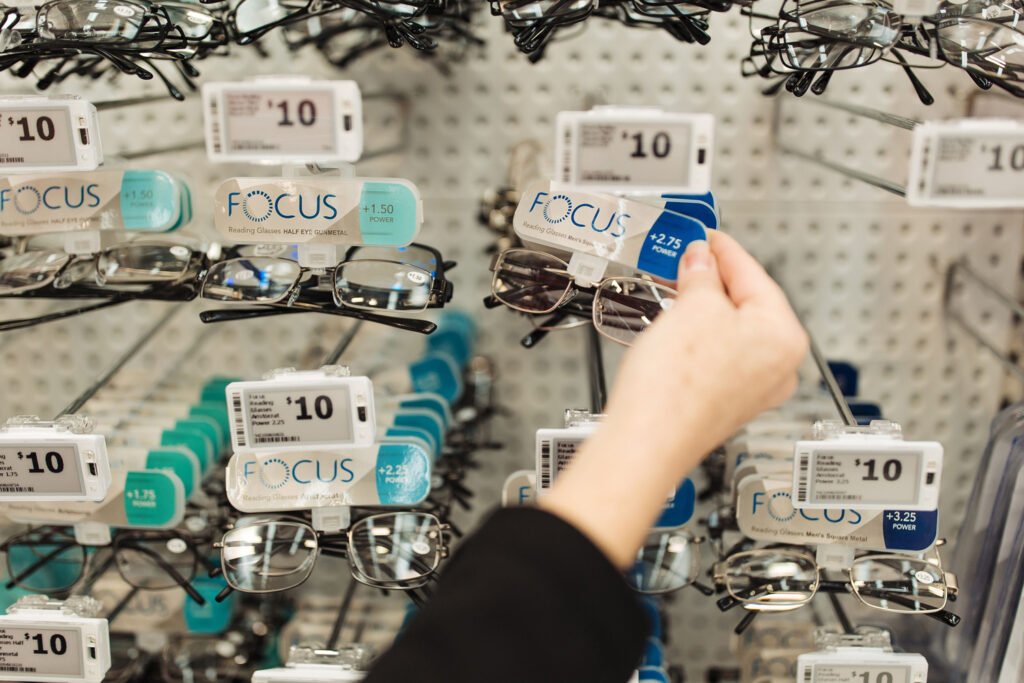
“Set and forget” is one of the most common and costly assumptions in retail.
Retail execution refers to the activities consumer goods (FMCG) brands use in retail stores to help their brands stand out on shelves and land in shoppers’ carts.
A product is launched, the display is built, the planogram is approved, and everything looks right on day one. From there, the expectation is that performance will follow.
But retail does not stand still.
Stores are dynamic environments. Stock moves, displays get disrupted, pricing changes, and priorities shift. Without ongoing attention, even the strongest in-store execution begins to decline.
At Engagement Group, we see this play out across New Zealand retail every day, as an agency supporting retail execution in this country. The real issue is not a single failure point. It is the gradual erosion of standards over time.
This is the hidden cost of “set and forget” retail execution, which can significantly impact brand performance.
Retail Execution Does Not Fail Overnight
One of the biggest misconceptions in retail is that performance drops suddenly. Generally, performance does not decline all at once.
In reality, it happens incrementally.
A missing shelf ticket here. A half-empty display there. A product that sits in the storeroom for a day too long.
Individually, these issues seem minor. Collectively, they have a measurable impact on retail sales performance. Effective retail execution keeps your brand up front for shoppers, so they’ll buy again and again.
Because the decline is gradual, it often goes unnoticed until sales data starts to reflect the problem. By that point, the damage is already done.
Small Gaps in In-Store Merchandising Add Up Quickly
In-store merchandising is built on consistency.
When execution is strong, products are:
- Easy to find
- Clearly priced
- Fully stocked
- Visually appealing
Merchandising in retail execution helps products stand out on shelves and encourages shoppers to make purchases.
When standards slip, friction is introduced into the shopping experience. Effective merchandising ensures that the right products are available at the right time and at the right price.
Shoppers do not always consciously notice these issues, but they respond to them. They hesitate, they choose alternatives, or they delay purchase altogether.
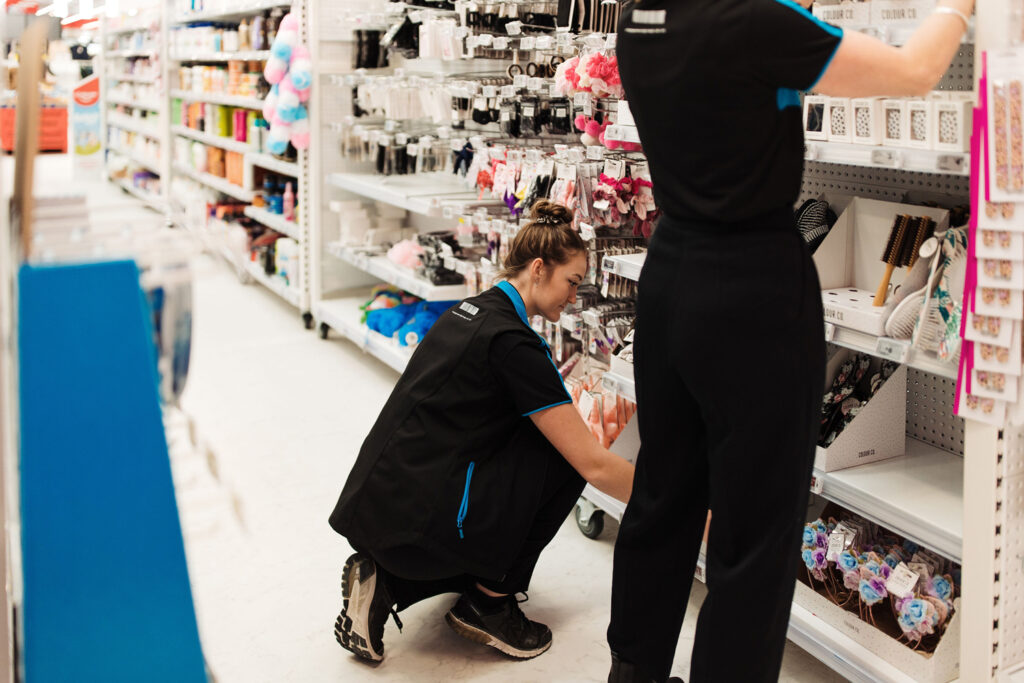
Merchandisers are the retail professionals responsible for maintaining these standards, ensuring that product presentation, stock levels, and pricing are consistently managed.
Over time, these missed opportunities accumulate into significant lost revenue.
Display Standards Deteriorate Without Ongoing Support
Displays are one of the most visible elements of retail execution.
They are also one of the most vulnerable.
Even well-executed displays begin to degrade as:
- Stock sells through
- Products are moved by shoppers
- Store teams reprioritise tasks
- Space is reallocated
Without regular maintenance, displays lose their impact quickly.
Empty or poorly presented displays do more than reduce visibility. They send a message that the product is not performing or is not being supported.
This directly affects shopper confidence and purchasing behaviour.
The Impact on Retail Sales Performance
When execution declines, sales performance follows.
This does not always show up immediately, which is why it is often overlooked.
Instead, it appears as:
- Slower sales velocity
- Missed promotional targets
- Lower-than-expected run rates
- Reduced return on retail investment
The challenge is that these outcomes are often attributed to the product, the price, or the category.
In reality, execution is frequently the underlying issue.
Pricing and Shelf Accuracy Are Easily Overlooked
One of the most common breakdowns in “set and forget” environments is pricing accuracy. Accurate pricing per unit is essential to help both field reps and customers make informed decisions.
Shelf tickets go missing. Promotional pricing is not applied correctly. Offers are unclear or inconsistent.
These issues create hesitation at the point of purchase.
Field reps ensure retailers have the right stock at competitive prices.
In a competitive retail environment, even small uncertainties can shift a shopper toward a competing product.
Maintaining accurate, visible pricing is a fundamental part of retail execution, but it requires regular checks to ensure it stays correct.
Planograms Drift Faster Than Expected
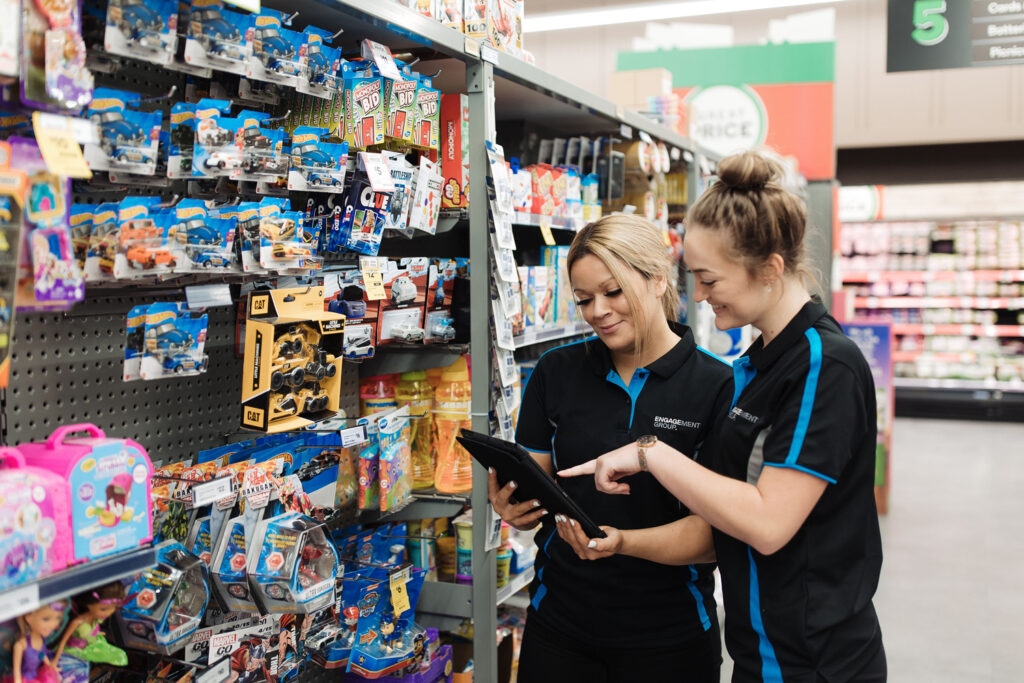
Planograms are designed to optimise product placement and category flow as part of the overall planning process. A retail execution strategy is made up of many moving parts, including merchandising, inventory management, promotions, and staff training.
But once implemented, they do not maintain themselves.
Over time:
- Products shift positions
- Facings are reduced
- Adjacent items encroach on space
This can cause the intended planogram setup to be lost, impacting the effectiveness of the original plan. When planogram drift occurs, entire product lines may be affected, leading to inventory issues and missed sales opportunities.
This changes how shoppers interact with the category.
Products become harder to find, less visible, and less likely to be purchased.
Without active merchandising support, planogram compliance naturally declines.
The Compounding Effect Over Time
The real cost of “set and forget” execution is not any single issue.
It is the compounding effect. Even small issues matter when it comes to long-term performance.
A slightly underperforming display combined with inconsistent replenishment and unclear pricing creates a cumulative impact on sales.
Retail execution activities are essential in motivating consumers to choose a product and convincing retailers to provide prime placement.
Week by week, this erodes performance.
By the time it is identified in reporting, recovery requires significantly more effort than maintaining standards would have in the first place.
Retailers Notice More Than Brands Think
Retailers are constantly reviewing product performance.
When execution is inconsistent, it shows up in the data:
- Lower sales per store
- Reduced category contribution
- Missed promotional expectations
From a retailer’s perspective, the conclusion is simple. The product is underperforming.
What they do not always see is the execution breakdown behind it.
This is where brands lose opportunities, more shelf space, and in some cases, their listing altogether. Prioritising the best shelf placement and displays is vital for maximising sales opportunities in retail execution. Additionally, training staff to effectively sell products can make a significant difference in sales performance.
Data-Driven Decision Making: The Antidote to Complacency
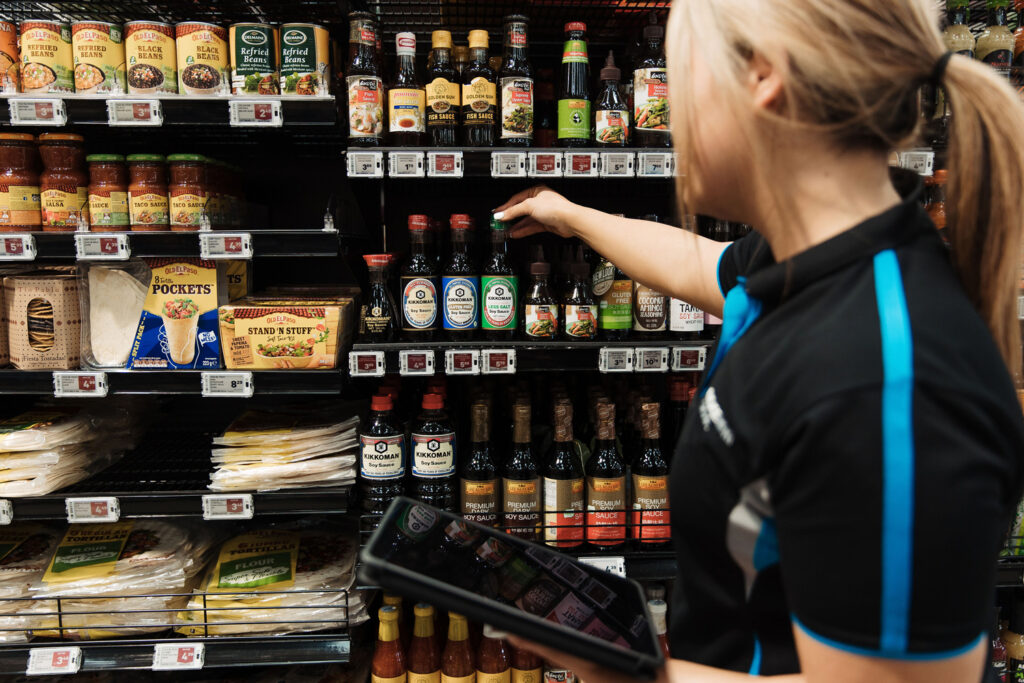
In today’s fast-paced retail industry, relying on gut instinct or outdated reports is no longer enough. Data-driven decision-making empowers retailers and brands to respond quickly to changing market conditions and customer preferences. By harnessing real-time reporting and analytics, businesses can monitor sales performance, track stock levels, and gain a clear picture of what’s happening at the store level—whether in the North Island, South Island, or across all of New Zealand.
For example, a company might notice through data analysis that a particular product is outperforming in South Island supermarkets but lagging in the North Island. With this insight, they can adjust their shelf space allocation, promotional strategies, or distribution focus to maximise visibility and sales where it matters most. Real-time data also helps retailers identify emerging trends, spot gaps in the market, and stay ahead of the competition.
Ultimately, adopting a data-driven approach is essential for companies that want to optimise shelf space, drive growth, and achieve long-term success in the New Zealand retail landscape.
Inventory Management: Preventing Out-of-Stocks and Overstocks
Effective inventory management is a cornerstone of retail success. Retailers who closely monitor stock levels can avoid the costly pitfalls of both out-of-stocks and overstocks—two issues that directly impact sales and revenue. In the dynamic environment of New Zealand supermarkets, where demand can shift rapidly, having the right products available at the right time is critical.
By leveraging real-time data and inventory management systems, retailers can accurately determine optimal stock levels for each product and location. This enables smarter ordering, more efficient distribution, and a reduction in unnecessary costs. For instance, a supermarket chain might use data to identify which products require more frequent replenishment in high-traffic stores, while scaling back orders for slower-moving items elsewhere.
With robust inventory management practices, retailers can minimise lost sales, reduce excess stock, and ensure customers always find what they need on the shelves—ultimately supporting stronger sales performance and healthier revenue across New Zealand.
Staff Training and Development: Empowering In-Store Excellence
The effectiveness of any retail strategy hinges on the people who bring it to life at the store level. Investing in staff training and development is essential for retailers who want to achieve high planogram compliance, deliver outstanding merchandising, and create engaging displays that drive sales.
In New Zealand, leading retailers are equipping their teams with the skills needed to execute planograms accurately, maintain visually appealing displays, and provide exceptional customer service. For example, training programs might focus on best practices for shelf presentation, techniques for upselling, or ways to engage customers and answer their questions confidently.
By prioritising staff development, retailers not only improve their in-store performance but also foster a culture of excellence that leads to higher customer satisfaction and sustained sales growth. Well-trained teams are better equipped to adapt to changes, solve problems on the spot, and ensure that every aspect of retail execution meets the highest standards.
Measurement and Evaluation: Closing the Retail Execution Loop
Continuous improvement in retail execution depends on regular measurement and evaluation. By tracking key metrics such as planogram compliance, stock levels, and sales performance, retailers can determine what’s working, identify areas for improvement, and refine their strategies for greater success.
In New Zealand, data analytics tools make it easier than ever to assess the impact of merchandising displays, evaluate the effectiveness of promotions, and monitor compliance with planograms at the store level. For example, a retailer might use data to compare sales before and after a new display rollout, or to pinpoint stores where planogram compliance is lagging behind.
By making measurement and evaluation a critical part of their retail process, companies can close the execution loop—ensuring that every initiative is tracked, every result is analysed, and every opportunity for improvement is seized. This commitment to data-driven refinement is what sets high-performing retailers apart in the NZ industry, driving long-term success and stronger business outcomes.
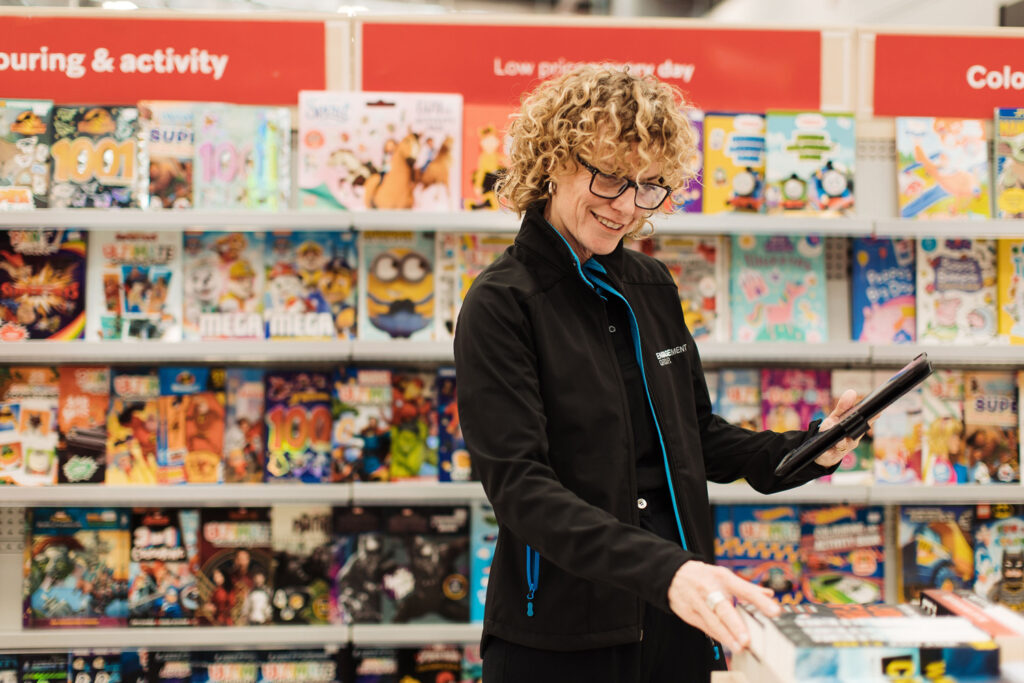
Ongoing Merchandising Services Protect Performance
The most effective way to prevent execution decline is through consistent, on-the-ground support.
Merchandising agencies play a crucial role in retail execution by providing local resources with national coverage, ensuring that brands receive tailored support relevant to specific regions or communities. The agency model is designed to deliver a wide range of services efficiently, with agencies operated to manage and oversee all aspects of in-store merchandising.
Ongoing merchandising services ensure:
- Displays remain full and compliant
- Shelf standards are maintained
- Pricing stays accurate
- Stock is replenished efficiently
- Issues are identified and resolved early
- Assembly of merchandise displays and restocking of merchandise on shelves
- Compliance audits to ensure displays are fully stocked and correctly placed
- Field marketing services, including promotions and product implementation
- Robust reporting on sales progress, distribution, and in-store execution
Agencies help brands secure better shelf space and improve product visibility in stores. They also analyse brand competition and on-shelf availability to refine retail strategies. Bespoke sales support services are offered, tailored to each brand’s needs, ensuring measurable outcomes.
This is not about reacting to problems. It is about preventing them.
Strong retail execution requires ongoing attention, not a one-time setup.
From Set and Forget to Set and Maintain
High-performing brands take a different approach.
They do not treat in-store execution as a one-off task.
They treat it as an ongoing process that requires:
- Regular store visits
- Clear accountability
- Consistent standards
- Real-time visibility
Building collaborative partnerships with retailers and aligning goals is essential for retail execution success. Providing retailers with necessary support, such as training and promotional materials, helps maintain high standards in-store. Gathering and acting on feedback from clients and retailers ensures continuous improvement and strengthens relationships. Many clients have shared positive feedback about how this approach has improved their retail execution and sales performance. Strategically allocating spend is also crucial, ensuring resources are used effectively for ongoing execution. Focusing on continuous improvement and maintaining standards is what sets high-performing brands apart.
This shift from “set and forget” to “set and maintain” is what protects retail sales performance over time.
Final Thoughts
The hidden cost of “set and forget” retail execution is not always obvious.
It shows up gradually through lost sales, declining visibility, and reduced retailer confidence.
But it is avoidable.
Brands that invest in consistent in-store merchandising and ongoing execution support protect their performance, strengthen retailer relationships, and drive better long-term results.
At Engagement Group, we help brands maintain high execution standards across their retail networks, ensuring performance does not decline after launch.
If you want to protect your retail sales performance and avoid the hidden cost of execution drift, you can contact our team here:
https://engagementgroup.co.nz/contact/
About the Author