Why Retail Listings Fail (Even After You Get Stocked)

Rod Smith
Managing Director, Engagement Group
February 26, 2026
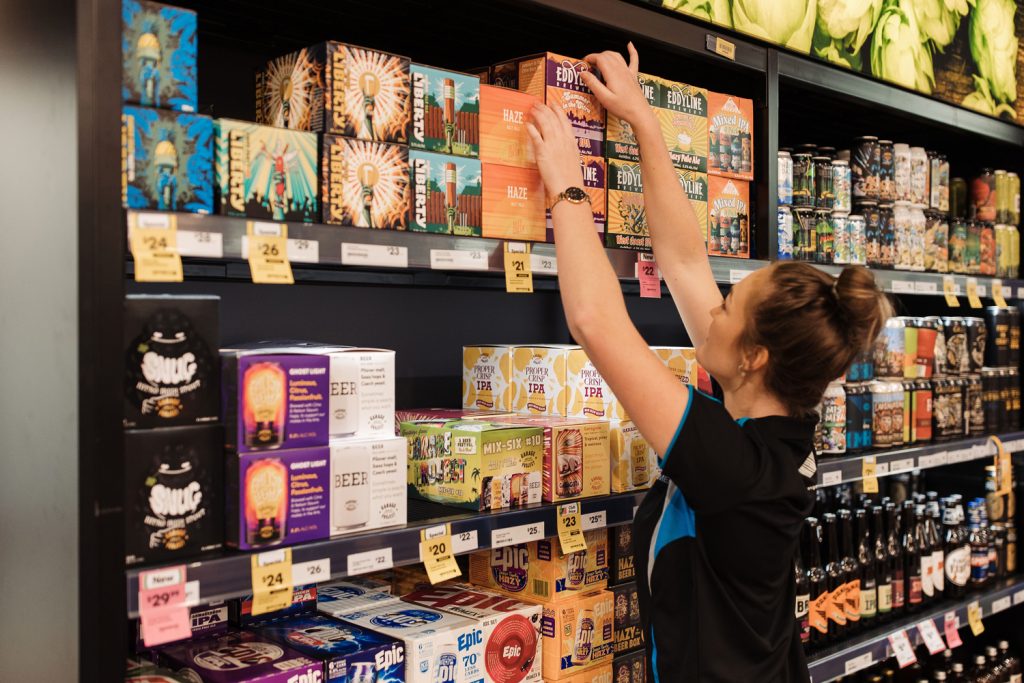
Getting ranged by a retailer is often seen as the hardest part of retail. In reality, it is where the real test begins.
Every year, we see products with strong branding, compelling propositions, and retailer backing quietly disappear from shelves. Having strong products is important, but on its own, it is not sufficient; effective in-store merchandising and strategic presentation are crucial for success in retail environments. Not because the product was wrong, but because execution failed.
At Engagement Group, we work with brands across New Zealand and consistently see the same pattern. Retail listings rarely fail all at once. They fail slowly, through small execution gaps that compound over the first 13 weeks and beyond.
This article breaks down the real reasons retail listings fail and what brands must do to protect their investment.
Why Retail Listings Matter More Than You Think
Retail listings are more than just a box to tick—they are the foundation of effective retail merchandising and a direct driver of sales performance in retail stores. When products are listed and organised strategically, they become easier for consumers to find, naturally increasing sales and improving the overall customer experience.
In grocery stores, for example, well-managed retail listings can boost foot traffic and encourage higher consumer spending. Shoppers are more likely to discover new products and make impulse purchases when items are visible and accessible. This is why retail execution is so critical: it ensures that every product has the best chance to perform.
Optimising retail listings also gives retailers valuable sales data, helping them track what’s working and spot emerging market trends. By analysing this data, retailers can make smarter decisions about which products to promote, how to adjust their merchandising, and where to invest for maximum impact.
Ultimately, strong retail listings are a win-win: they help stores stay competitive, keep consumers engaged, and drive consistent sales growth.
Failure Starts in the First 13 Weeks
The first 13 weeks after launch are the most critical.
This is when retailers assess run-rate performance, shopper uptake, and whether the product deserves its space long term. If a product underperforms during this window, it immediately enters a risk category.
What many brands do not realise is that early underperformance is often caused by execution issues, not lack of demand.
Common early failures include:
- Stock sitting in the storeroom, not on the shelf
- Incorrect or missing shelf tickets
- Poor shelf positioning
- Displays not built to plan
- Promotional activity not executed properly
- Shelves not being fully stocked
Monitoring stock levels is essential during this period to avoid early out-of-stocks and ensure a positive shopping experience.
From a retailer’s perspective, the data simply shows weak sales. The underlying causes are rarely visible unless someone is physically in the store to identify and fix them.
Field reps play a critical role in ensuring retailers have the right amount of stock to meet demand and that products are priced competitively.
Poor Shelf Availability Kills Sales Momentum
You cannot build sales if your product is not consistently available.
One of the most common retail merchandising mistakes is assuming that once stock arrives in the store, it will automatically make its way to the shelf.
In reality, stores are busy environments. Staff priorities shift constantly. Unless there is active merchandising support, products often remain in the back room or sell down and are not replenished quickly enough. Better visibility into inventory levels and planogram execution can help prevent these issues by ensuring products are on the shelf when needed, and merchandising plans are properly followed.
Early out-of-stocks create a dangerous cycle:
- Lost sales reduce run-rate performance
- Lower run rates reduce retailer confidence
- Reduced confidence increases delisting risk
Common issues in retail include poor inventory visibility, which leads to out-of-stocks and low adherence to merchandising and marketing plans.
Shelf availability is not a one-time task. It requires ongoing attention, especially during the first 13 weeks.

Poor Positioning Makes Products Invisible
Even when products are on the shelf, poor positioning can significantly reduce performance. Strategic product placement is essential to ensure products stand out and are visible to shoppers.
If a product is placed too low, too high, or outside its natural category flow, shoppers simply do not see it.
Adjacency also matters.
Shoppers make quick decisions based on comparison. If your product is not positioned alongside relevant competitors, it loses the opportunity to be considered.
Strong in-store merchandising ensures:
- Correct planogram placement
- Clear shopper visibility
- Logical category positioning
- Consistent presentation across stores
- Each product line is managed to optimise presentation and visibility
Strategic product placement is crucial for retail execution and in-store merchandising success.
Without this, products struggle to gain traction.
Incorrect Pricing and Shelf Tickets Stop Purchases
Pricing plays a critical role in early retail success.
If shelf tickets are missing, incorrect, or unclear, shoppers hesitate. Having the right price clearly displayed is essential to attract shoppers and maximise sales. Many will simply choose a competing product with clearer pricing.
This is especially damaging during promotional periods.
We regularly see promotions agreed at the head office level that never fully translate in-store due to:
- Missing promotional tickets
- Incorrect promotional pricing
- Displays not linked to the promotion
Inconsistent branding and signage can also weaken brand identity and cause customer confusion regarding pricing.
When this happens, the product does not achieve the expected uplift, and the promotion appears unsuccessful on paper.
Displays Deteriorate Faster Than Brands Expect
Launching with a display is important. Maintaining it is what drives results. Well-designed product displays and the use of promotional materials are essential for increasing product visibility, engaging consumers, and driving sales.
Displays naturally degrade as:
- Stock sells down
- Shoppers move products
- Store staff reprioritise space
Without active maintenance, displays quickly lose impact.
Empty or poorly maintained displays send negative signals to both shoppers and retailers.
They suggest low demand, even when demand exists.
High-performing brands increase merchandising frequency during display periods to ensure:
- Displays remain full
- Stock is replenished quickly
- Promotional messaging stays visible
Regularly refreshing product displays to match seasons or holidays helps draw customers in and keeps the shopping experience engaging.
This protects sales momentum.
The “Set and Forget” Trap
One of the biggest causes of retail failure is assuming the job is done after launch.
Retail is dynamic. Conditions change daily. Effective merchandising in retail spaces requires ongoing attention to detail, consistent planogram execution, and proactive replenishment to maintain product visibility and drive sales.
Without ongoing support, products gradually lose:
- Shelf space
- Visibility
- Sales momentum
This is what we call silent failure.
It happens slowly, and by the time it is noticed, recovery is difficult.
Effective in-store merchandising combines consistency, attention to detail, planogram execution, and proactive replenishment to create an engaging retail environment.

Lack of Human Engagement Slows Early Adoption
New products require shopper education.
Without support, shoppers default to familiar brands.
Brand ambassadors help overcome this barrier by:
- Explaining product benefits
- Encouraging trial
- Building trust
Effective in-store execution and customer engagement are further supported by staff training and store staff training, which ensure retail associates are equipped to enhance product placement, drive promotional effectiveness, and manage inventory.
This is particularly valuable during the early launch phase when awareness is low.
Human engagement accelerates adoption and supports stronger run-rate performance.
Integrating brand ambassadors into in-store execution elevates merchandising from a static display to an interactive experience, and customer engagement is a cornerstone of successful store merchandising.
No Accountability Means No Visibility
Perhaps the biggest difference between successful and unsuccessful listings is accountability.
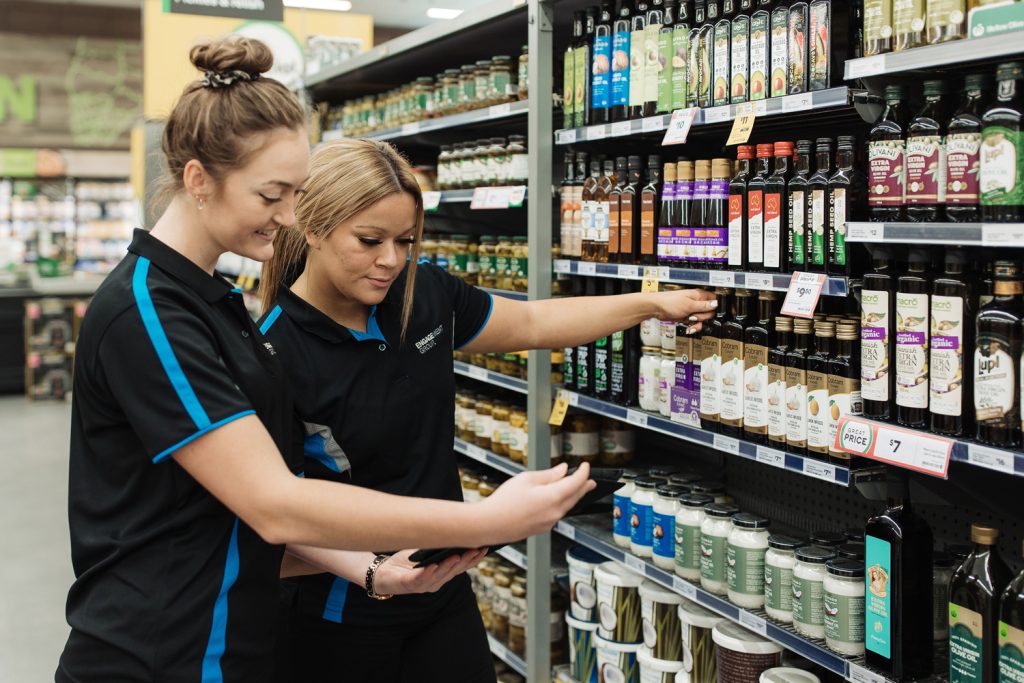
Brands that succeed know what is happening in store. Providing field representatives with easy access to planograms and display instructions is essential to ensure proper execution of merchandising strategies.
They track:
- Shelf availability
- Display compliance
- Pricing accuracy
- Store-level performance
Brands that fail often rely on assumptions.
They assume displays are built. They assume the stock is on the shelf. They assume promotions are working.
Retail success requires verification, not assumption. Understanding the retailer’s business and building collaborative partnerships are also key components of effective retail execution strategies.
The Hidden Power of Merchandising Services
Merchandising services are a game-changer for retailers looking to stand out in a crowded market. These services go beyond simply stocking shelves—they help create engaging in-store displays and promotions that capture shoppers’ attention and drive sales.
By investing in professional merchandising services, retailers can elevate their store merchandising and deliver a more memorable customer experience. In-store promotions, such as eye-catching promotional displays and limited-time offers, are proven to increase foot traffic and encourage shoppers to spend more time—and money—in store.
Merchandising services also play a crucial role in inventory management. By ensuring that shelves are always full and products are easy to access, retailers can avoid costly stockouts and keep customers satisfied. This proactive approach to retail execution not only boosts sales but also strengthens brand loyalty.
For retailers aiming to stay ahead, leveraging merchandising services is essential. It’s an investment that pays off in better displays, more effective promotions, and a stronger overall retail presence.
Planogram Compliance: The Overlooked Success Factor
Planogram compliance is often the unsung hero of retail merchandising. It’s the process of making sure products are displayed exactly as planned across all retail locations, ensuring consistency and maximising sales opportunities.
When retailers follow planograms closely, they create a strong brand image and a seamless shopper journey. Products are placed in the right spots for maximum visibility, making it easier for customers to find what they need and discover new items. This attention to detail helps prevent common merchandising mistakes, such as poor shelf placement or inconsistent displays, which can lead to lost sales and out-of-stocks.
Data analytics can be a powerful ally here, allowing retailers to monitor planogram compliance and quickly address any issues. In New Zealand, many retailers have seen measurable improvements in sales and customer satisfaction simply by prioritising planogram compliance and using data to guide their efforts.
By making planogram compliance a priority, retailers can optimise shelf availability, reduce missed sales opportunities, and ensure their stores always look their best.
Retail Success Is Built on Consistent Execution
Retail listings rarely fail because of the product alone.
They fail because execution is inconsistent.
Brands that invest in professional merchandising support protect their listings by ensuring:
- Products are always available
- Displays remain effective
- Pricing stays accurate
- Issues are identified early
Effective merchandising enhances the shopper journey and ensures that retail spaces deliver both visual impact and practical functionality.
Attention to detail in merchandising contributes to a professional appearance and enhances the overall shopper experience.
This protects retailer confidence and supports long-term growth. Effective merchandising adds value to the customer experience, helps increase sales, and supports stronger relationships between retailers and customers.
Final Thoughts
Getting ranged is only the beginning.
The first 13 weeks determine whether a product builds momentum or quietly disappears.
Brands that actively support their in-store execution dramatically increase their chances of success.
If you want to protect your retail listings and avoid silent failure, our team can help ensure your products perform where it matters most.
About the Author