11 Ways to Refresh Tired Retail Displays Without Starting Over

Rod Smith
Managing Director, Engagement Group
December 22, 2025
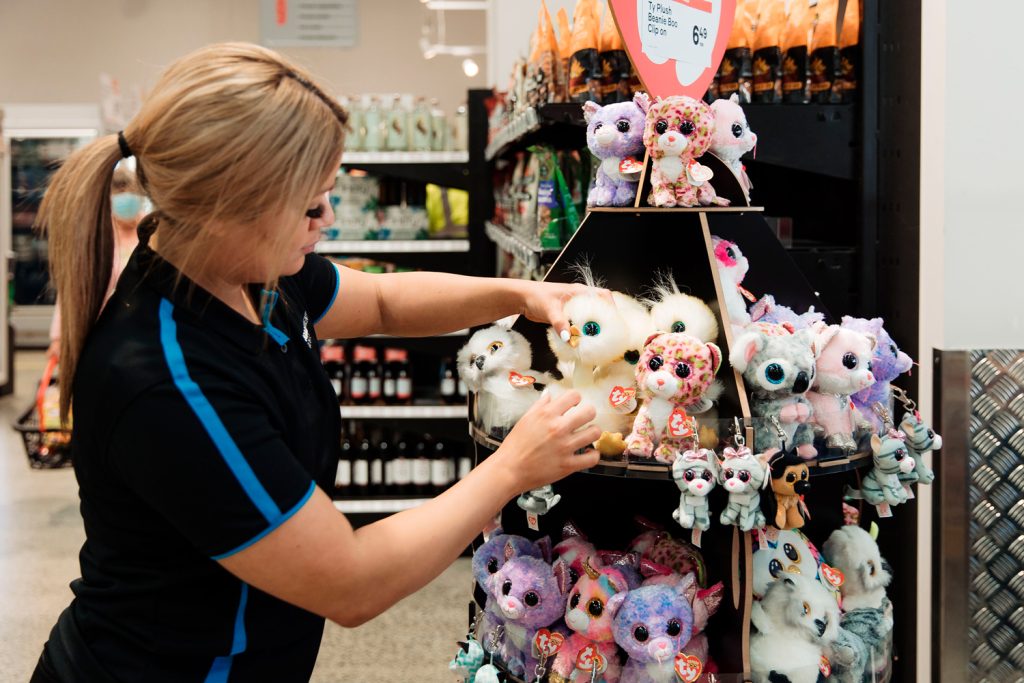
Improve shopper engagement, visual merchandising, and in-store merchandising without starting from scratch.
Retail displays are more than decoration—they are powerful sales drivers that create vital sales opportunities. Even visually appealing displays can lose impact over time, reducing shopper engagement and sales. In New Zealand (NZ), consumers are particularly discerning and quickly notice outdated or cluttered displays, which can lower shopper confidence and decrease conversion rates.
This comprehensive guide provides 11 practical strategies to refresh underperforming retail displays, elevate in-store merchandising, and increase retail sales effectively—without the need for a costly full rebuild.
1. Edit Your Product Range to Achieve Better Results
An overcrowded product range can overwhelm shoppers, making it difficult for them to focus and make informed purchasing decisions. Streamlining your selection helps showcase the most important items, clarifies your messaging, and encourages quicker purchases.
How to Refresh Your Product Range:
- Remove slow-moving, obsolete, or seasonal items, as well as outdated promotional materials, to reduce clutter.
- Prioritise hero SKUs, new launches, and high-margin products that align with your company’s sales goals.
- Group products logically by category, brand, or usage to create a cohesive shopping experience.
Example: Removing underperforming snacks from an endcap, allowing seasonal products to stand out prominently, to boost sales during key holiday periods.
Tip: Editing the product range frees up valuable space to highlight promotions or seasonal features during holiday periods, enhancing shopper preferences without a full display redesign.
2. Restore Planogram Layouts to Establish Consistency
Displays often deviate from their original planograms due to daily handling, leading to clutter and inconsistent presentation. Returning to the correct planogram layout ensures structure, clarity, and consistent retail execution across multiple store locations.
Steps to Restore Layouts:
- Align product facings according to sales priority and planogram specifications.
- Maintain proper spacing and a clear visual hierarchy to guide shopper attention.
- Verify that signage, props, digital screens, and other display elements match the original layout.
Tip: Use reference photos and provide ongoing training or schools for staff across all retail locations to maintain consistency and brand standards.
3. Refresh Signage and Pricing to Replace Outdated Information
Outdated or inconsistent signage can confuse shoppers and reduce their confidence. Clear, visible signs act as a silent salesperson, driving purchasing decisions and enhancing overall retail presentation.
How to Refresh Signage:
- Regularly update price tags, promotional signs, and product information to reflect current offers.
- Use legible fonts, high-contrast colours, and concise messaging to catch shoppers’ attention quickly.
- Highlight key product benefits alongside pricing to reinforce value.
Example: Updating wellness product signage in New Zealand pharmacies led to increased shopper engagement and faster decision-making, directly improving sales.
4. Highlight a Hero Product to Power Your Display
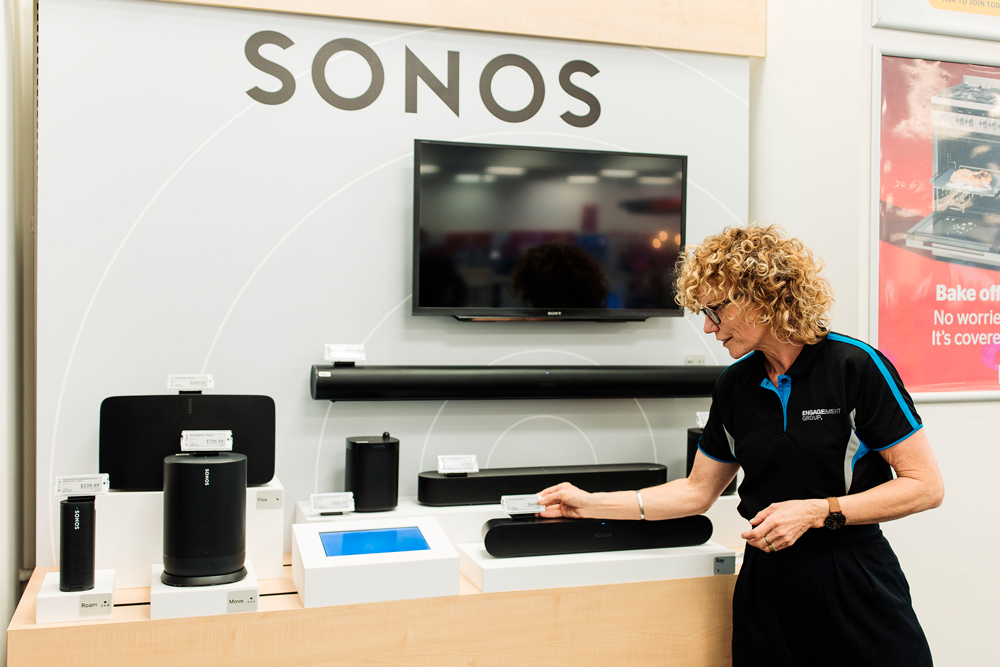
Hero SKUs are your star products—they draw attention, showcase value, and encourage purchase. Refreshing hero products keeps displays dynamic and compelling.
How to Refresh Hero Products:
- Position new, seasonal, or high-margin items at eye level, where shoppers naturally focus.
- Use props, targeted lighting, or vibrant colours to create visual impact and draw the eye.
- Rotate hero products regularly—monthly or seasonally—to maintain shopper interest.
Tip: Even minor adjustments like repositioning or changing lighting can breathe new life into a display and boost sales.
5. Tidy and Align Shelves to Create a Polished Image
Messy or disorganised shelves signal neglect and reduce shopper confidence. An organised, well-maintained display improves the overall shopping experience and encourages purchases.
How to Maintain Shelf Alignment:
- Straighten products and remove damaged or outdated packaging promptly.
- Keep product facings consistent, logical, and easy to browse.
- Regularly monitor and update stock levels to prevent empty gaps.
Tip: Clean, aligned shelves have been shown to increase shopper dwell time and conversion rates, contributing positively to retail performance metrics.
6. Optimise Eye-Level Placement for Maximum Sales Impact
Eye-level placement is critical for product visibility and conversion. Products positioned at eye height receive the most attention and have higher sales potential.
How to Optimise Placement:
- Reserve prime shelf zones for hero or high-demand SKUs to maximise impact.
- Use secondary zones to display complementary or impulse items.
- Leverage data from loyalty programs, POS systems, and shopper research to strategically prioritise SKUs.
Tip: Data-driven placement ensures your best products are front and centre, maximising sales opportunities.
7. Introduce Cross-Merchandising to Boost Basket Size
Cross-merchandising pairs complementary products to increase basket size and improve the shopper experience by making product discovery intuitive and natural.
How to Implement Cross-Merchandising:
- Place related items together strategically—such as coffee with mugs or wine with cheese—to encourage add-on sales.
- Use clear, informative signage to explain product pairings and benefits.
- Rotate pairings seasonally to align with marketing campaigns and holiday periods.
Tip: Cross-merchandising is a cost-effective strategy that can quickly boost sales without the need for a full display rebuild.
8. Reset Stock Levels and Facings with Support from Other Providers
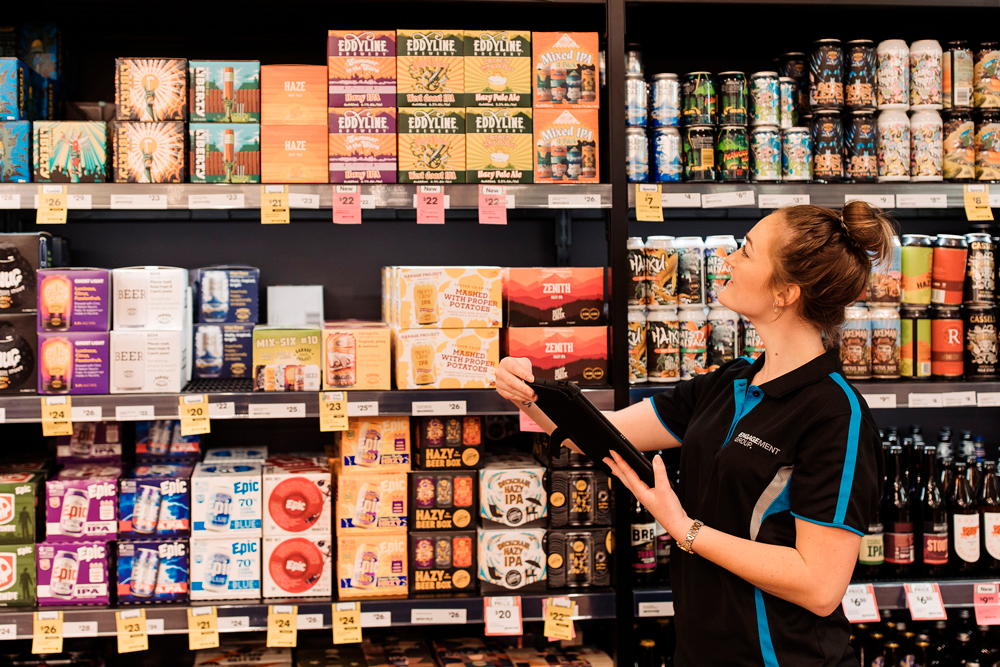
Empty shelves and inconsistent facings reduce shopper confidence and sales potential. Maintaining full, tidy shelves signals reliability and professionalism.
How to Maintain Stock:
- Conduct frequent stock level checks to ensure availability.
- Remove damaged, expired, or obsolete products promptly.
- Maintain consistent facings and product orientation for a polished look.
Tip: For larger stores, consider automated monitoring systems or merchandising services from other providers to maintain optimal stock levels and presentation.
9. Add Seasonal Touches to Align with Holiday Periods
Seasonal updates keep retail displays relevant, engaging, and aligned with shopper expectations throughout the year.
How to Add Seasonal Interest:
- Refresh hero products and signage to reflect current seasons or upcoming holidays.
- Introduce thematic props and decorations that complement seasonal campaigns and holiday periods.
- Highlight new product lines that tie into seasonal trends.
Tip: Small seasonal updates can significantly boost shopper engagement and sales without the expense of rebuilding displays.
10. Reposition Displays Strategically to Capture Foot Traffic
Sometimes, the key to revitalising a display is simply relocating it to a more effective spot within the store.
How to Reposition Displays:
- Move displays to high-traffic areas such as store entrances, endcaps near related categories, checkout zones, or windows to attract attention.
- Consider customer flow and adjacency to complementary products to maximise exposure.
- Use tracking tools to monitor dwell time and sales before and after relocation to measure impact.
Tip: Strategic repositioning can unlock hidden sales potential and improve overall store performance.
11. Integrate Human Engagement with Knowledgeable Staff and Brand Ambassadors
Even the strongest retail displays benefit from personal interaction. Brand ambassadors or knowledgeable staff can increase shopper engagement, build trust, and boost conversion rates.
How to Maximise Human Engagement:
- Position trained staff or brand ambassadors near high-value displays to engage customers.
- Encourage conversations focused on product benefits, usage tips, and brand stories.
- Collect shopper feedback to refine display strategies and support continuous improvement.
Contact our team to explore how integrating brand ambassadors into your retail displays can elevate customer engagement and sales.

Quick Reference Checklist: Refresh Your Retail Displays
- Edit product range and remove low-performing promotional items.
- Restore planogram layout, facings, and signage for consistency.
- Update signage and pricing regularly to maintain shopper confidence.
- Highlight hero products prominently at eye level.
- Tidy and align shelves for a polished, professional appearance.
- Optimise eye-level placement using sales data and shopper insights.
- Introduce cross-merchandising with clear, informative signage.
- Maintain stock levels and consistent facings to avoid empty shelves.
- Add seasonal touches during holiday periods to keep displays fresh.
- Reposition displays strategically to capture high foot traffic and window visibility.
- Integrate human engagement through trained staff or brand ambassadors.
Final Thoughts
Refreshing tired retail displays in New Zealand (NZ) doesn’t require starting from scratch. Applying practical in-store merchandising strategies keeps displays dynamic, engaging, and ready for sale. Small, targeted changes—such as hero product updates, signage refreshes, cross-merchandising, and staff engagement—can significantly enhance the shopper experience and improve retail performance.
At Engagement Group, our nationwide merchandising services help brands refresh and optimise retail displays, ensuring consistent visual merchandising, accurate planogram execution, and effective retail presentation. Our experienced team supports clients in creating impactful displays that stand out from competitors and drive business growth.
If you’re ready to revitalise your displays and boost in-store performance, contact our team today.
Additional Advice: Consider attending trade shows and leveraging your website and online pages to showcase your retail displays and merchandising creativity, thereby establishing your brand’s presence and power in the competitive retail world.
About the Author