The Fundamentals of Effective In-Store Merchandising

Rod Smith
Managing Director, Engagement Group
December 8, 2025
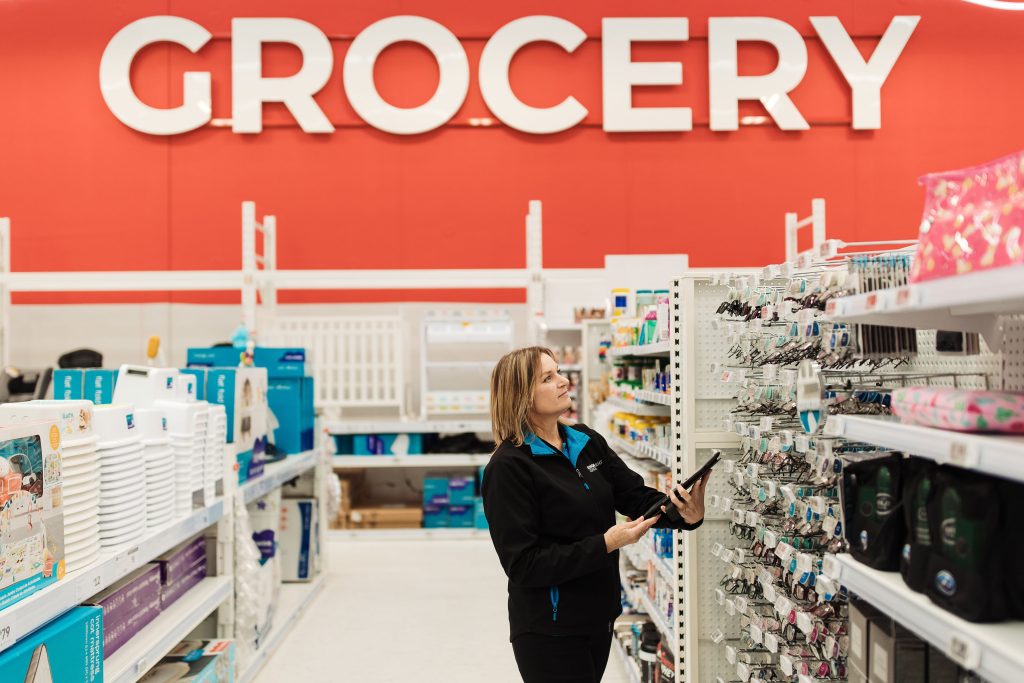
Discover practical tips for effective in-store merchandising to enhance your retail strategies and boost sales.
In today’s competitive retail landscape, strong products alone do not guarantee success. The way products are presented in-store plays a crucial role in capturing attention, influencing shopper behaviour, and driving sales. Effective in-store merchandising goes beyond simply placing products on shelves — it is a strategic approach that combines consistency, attention to detail, planogram execution, and proactive replenishment to create an engaging retail environment.
At Engagement Group, we’ve seen firsthand how a structured approach to retail merchandising can strengthen brand perception, improve customer experience, and deliver measurable retail execution results across stores nationwide.
Why In-Store Merchandising Matters
Retail merchandising is the bridge between your brand and your customer. It’s not just about aesthetics; it’s about creating an environment where consumers can easily find products, understand their value, and make confident purchasing decisions. Understanding consumer behaviour is essential for effective in-store merchandising in any retail store. While online shopping offers convenience with just a few clicks, many consumers still visit physical stores for the tactile and immediate experience they provide.
Effective merchandising supports retail execution by:
- Highlighting high-priority or seasonal products
- Driving conversions through strategic placement and product flow
- Building brand consistency across multiple store locations
- Encouraging repeat visits and long-term loyalty
Modern consumer expectations demand a seamless and engaging experience in both online and offline retail environments. Retail stores remain crucial for implementing merchandising strategies that drive foot traffic and sales. Managing retail locations effectively is key to optimising product presentation and enhancing customer interaction. Grocery stores are a prime example of retail locations where in-store merchandising drives sales and enhances the customer experience.
Well-executed merchandising enhances the shopper journey and ensures that retail spaces deliver both visual impact and practical functionality.
Introduction to In-Store Merchandising
In-store merchandising is at the heart of every successful retail business, especially in today’s competitive brick-and-mortar landscape. Store merchandising goes beyond simply stocking shelves—it’s about designing a retail environment that draws customers in, encourages them to shop in-store, and guides them toward making a purchase. Through visual merchandising, thoughtful store design, and effective inventory management, retailers can create a space that not only looks appealing but also maximises sales and customer engagement.
A well-executed merchandising strategy transforms a brick-and-mortar store into a destination where customers want to spend time and explore. By focusing on the customer’s experience in store, retailers can differentiate themselves from online competitors and inspire loyalty. Whether it’s through eye-catching displays, strategic product placement, or seamless store layouts, in-store merchandising helps businesses increase sales and build lasting relationships with their customers. Ultimately, investing in strong merchandising strategies ensures that every visit to your store is memorable, engaging, and profitable.
Creating an In-Store Merchandising Plan
Developing a comprehensive in-store merchandising plan is essential for retailers who want to achieve consistent results and deliver a standout customer experience. A successful merchandising plan starts with a deep understanding of your target audience, leveraging sales data and market trends to inform every decision. By analysing what your customers want and how they shop, you can tailor your merchandising strategies to meet their needs and drive more sales.
Key elements of an effective in-store merchandising plan include optimising store layout for easy navigation, strategic product placement to highlight best-sellers, and robust inventory management to prevent losing sales due to out-of-stocks. Retailers should also consider how merchandising services and retail execution can support the implementation of their plan, ensuring that every detail is executed flawlessly. By regularly reviewing sales data and customer feedback, you can refine your merchandising plan to stay ahead of trends and maximise sales opportunities. With a well-structured approach, retailers can reduce lost sales, enhance the customer experience, and create a store environment that keeps shoppers coming back.
Key Principles of Effective In-Store Merchandising
To maximise retail sales and deliver consistent in-store execution, brands need to start with a well-defined retail merchandising strategy as the foundation for success. Establishing a clear merchandising process is essential for maintaining consistency in how merchandise is presented, managed, and displayed in-store. These are the building blocks of strong merchandising services that work for retailers of all sizes.
1. Consistency Across Stores
Consistency is essential for brand recognition and trust. When customers encounter the same layout, signage, product placement, store fixtures, and store displays across locations, it reinforces reliability and professionalism. Inconsistent execution can confuse shoppers and undermine brand credibility.
How to Ensure Consistency:
- Implement standardised planograms across all stores
- Provide clear visual guides and reference images for store teams
- Schedule regular compliance audits to maintain standards
- Use merchandising services to monitor and correct discrepancies
Consistent retail merchandising ensures that customers have the same positive experience at every touchpoint, building trust and encouraging repeat purchases. Window displays also play a crucial role in reinforcing brand consistency and attracting customers by presenting a unified and engaging storefront.
2. Strategic Product Placement
Placement is a key factor in retail execution and in-store merchandising success. Where a product sits on a shelf directly affects visibility, engagement, and conversion. Eye-level placement, endcaps, and high-traffic zones should be prioritised for hero SKUs, new launches, or seasonal items. Strategic placement helps your products stand out on shelves, attracting more attention and increasing the likelihood of purchase.
How to Optimise Product Placement:
- Analyse shopper traffic patterns to identify high-impact zones
- Use store layout and product placement to guide customers through the store and highlight key areas
- Reserve premium shelf space for best-selling or high-margin items
- Group complementary products to encourage cross-selling
- Refresh placement periodically to maintain shopper interest
- Utilise a display table to showcase core products alongside complementary items, encouraging additional sales
Strategic placement ensures that your product displays are seen by the right customers at the right time, supporting both retail sales and brand promotion objectives. Well-designed product displays are a key element in attracting customer attention and supporting merchandising goals.
3. Accurate Planogram Execution
A planogram is more than a visual guide; it’s a roadmap for achieving consistent merchandising execution. Accurate planogram execution ensures that products are correctly placed, facings are maintained, and promotions are properly highlighted.
How to Maintain Planogram Accuracy:
- Train store teams or deploy merchandising services for implementation
- Conduct regular audits to verify adherence to the planogram
- Update layouts to reflect new product introductions or seasonal campaigns
- Use technology to track compliance and identify areas for improvement
When planograms are executed accurately, brands create an organised, visually appealing shopping environment that maximises sales potential. Accurate planogram execution also leads to better visibility for products, reducing the risk of lost sales.
4. Replenishment and Shelf Readiness
A well-structured display loses its impact if shelves are empty or disorganised. Effective replenishment ensures that products are consistently available, shelves are fully stocked to meet customer demand, facings are maintained, and displays remain inviting.
Best Practices for Shelf Readiness:
- Monitor stock levels and schedule replenishment around peak traffic periods
- Train staff to prioritise high-demand SKUs
- Use merchandising services to maintain on-shelf accuracy
- Rotate products regularly to highlight new or promotional items
- Coordinate with the supply chain to ensure timely replenishment and avoid out-of-stocks
Consistent stock availability not only drives immediate retail sales but also strengthens customer confidence in your brand. In-store displays play a key role in maintaining an inviting and organised shopping environment, further enhancing the customer experience.
5. Attention to Detail
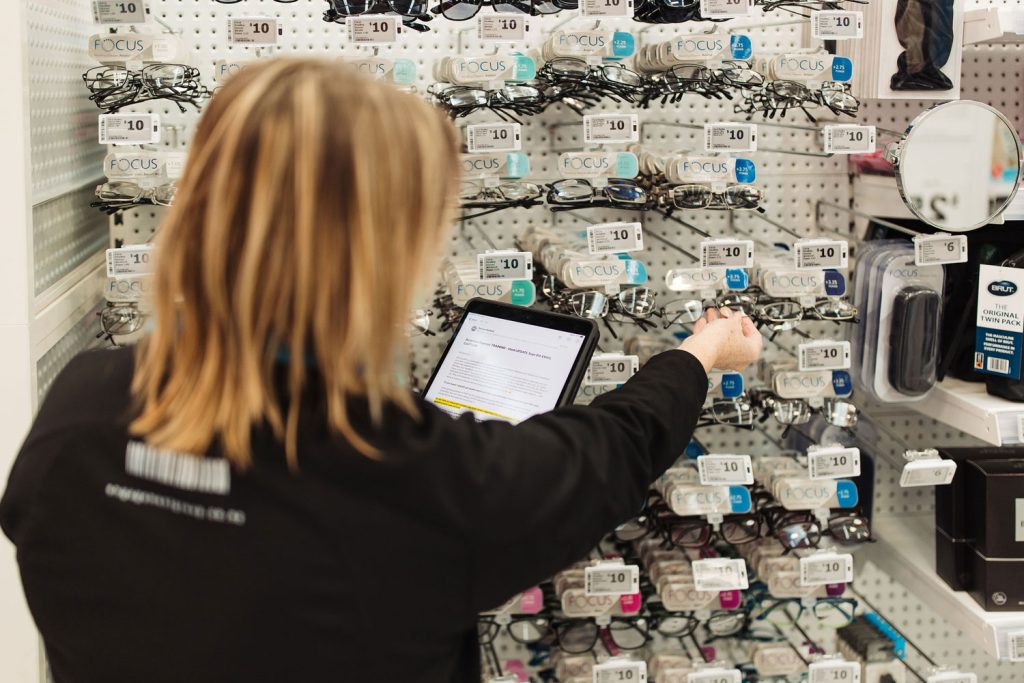
In retail merchandising, small details make a significant difference. Clean shelves, correct facings, aligned signage, and consistent labelling all contribute to a professional appearance and enhance the overall shopper experience. Attention to detail also helps create an environment with fewer overwhelmed shoppers and improves the customer’s experience by making the store more inviting and easier to navigate.
How to Maintain Attention to Detail:
- Keep displays tidy and visually balanced
- Ensure signage is straight, legible, and up to date
- Maintain consistent brand messaging across all touchpoints
- Use merchandising services to conduct routine quality checks
Attention to detail demonstrates professionalism, builds shopper trust, and reinforces brand value. Effective merchandising reduces the number of overwhelmed shoppers by making the store easier to navigate.
6. Integration of Brand Ambassadors
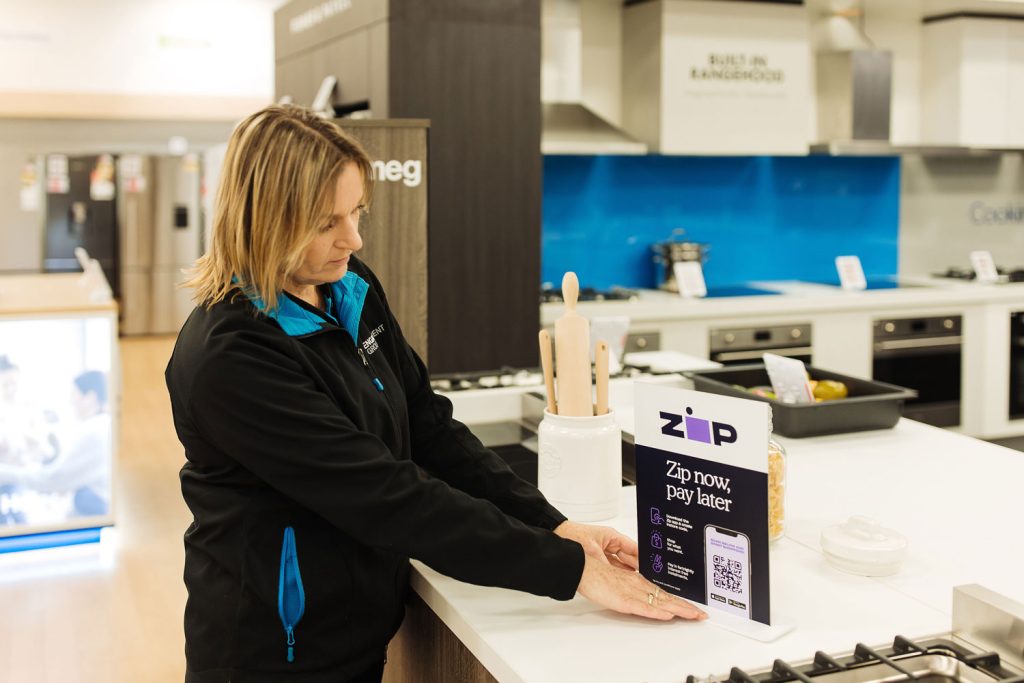
Human interaction is a powerful complement to visual merchandising. Brand ambassadors can engage customers, explain product benefits, and guide purchasing decisions. Integrating ambassadors into your in-store execution elevates merchandising from a static display to an interactive, persuasive experience.
How to Leverage Brand Ambassadors:
- Position ambassadors in high-traffic zones or near promotional displays
- Provide product training and store staff training to ensure they can educate, sell, and upsell products to shoppers
- Gather customer insights and feedback to optimise merchandising strategies
- Coordinate ambassador activity with seasonal or campaign-based promotions
Combining effective in-store merchandising with human engagement ensures that every touchpoint adds value, boosting retail sales and long-term loyalty. Analysing customer connects helps you understand what drives purchase decisions and identify opportunities to improve the shopping experience. Investing in brand ambassadors and staff training can pay off through increased sales and greater customer loyalty.
Understanding the Customer Journey
Understanding the customer journey is fundamental to effective store merchandising. When customers choose to shop in-store, they’re seeking an experience that goes beyond just finding products—they want to feel guided, inspired, and valued throughout their visit. Retailers who map out the customer journey can identify key touchpoints in the purchase funnel, from initial entry to final purchase, and optimise each stage to increase sales and satisfaction.
By analysing sales data and gathering customer insights, retailers can pinpoint where shoppers may encounter obstacles or disengage. This information allows for targeted improvements in store merchandising, such as adjusting product placement, enhancing signage, or streamlining checkout processes. Focusing on the customer journey also helps retailers build stronger relationships, as a seamless in-store experience encourages repeat visits and positive word-of-mouth. Ultimately, understanding and optimising the customer journey ensures that every shopper feels connected to your store, leading to higher sales and long-term loyalty.
Customer Engagement
Customer engagement is a cornerstone of successful store merchandising, turning casual shoppers into loyal customers. In-store promotions, creative displays, and strategic shelf placement all play a role in capturing attention and encouraging interaction. Retailers can further boost engagement by offering personalised service, training store staff to connect with customers, and creating inviting spaces with display tables and well-organised shelves.
Leveraging data analytics and customer insights allows retailers to design targeted promotions and displays that resonate with their audience, making each visit feel unique and relevant. By prioritising customer engagement in your merchandising strategy, you not only drive immediate sales but also foster brand loyalty and positive associations with your store. Every touchpoint—from the way products are displayed to the quality of customer service—contributes to a memorable in-store experience that keeps customers coming back for more.
The Benefits of Strong In-Store Merchandising
Implementing the fundamentals of retail merchandising has measurable benefits:
- Increased sales through strategic product visibility and placement
- Enhanced shopper experience, encouraging repeat visits
- Stronger brand consistency across multiple store locations
- Optimised use of store space for maximum impact
- Data-driven insights for continuous improvement
- Driving sales through effective ‘sale’ promotions and point-of-sale displays
- Increasing margins through better inventory management and merchandising strategies
These benefits collectively contribute to superior retail execution and a stronger market presence. Additionally, providing retail partners with promotional materials such as displays and training resources supports them in enhancing product visibility and driving sales.
Final Thoughts
Effective in-store merchandising is the cornerstone of a successful retail strategy. By focusing on consistency, strategic placement, accurate planogram execution, proactive replenishment, attention to detail, and integrating brand ambassadors, retailers can create an engaging, high-performing shopping environment.
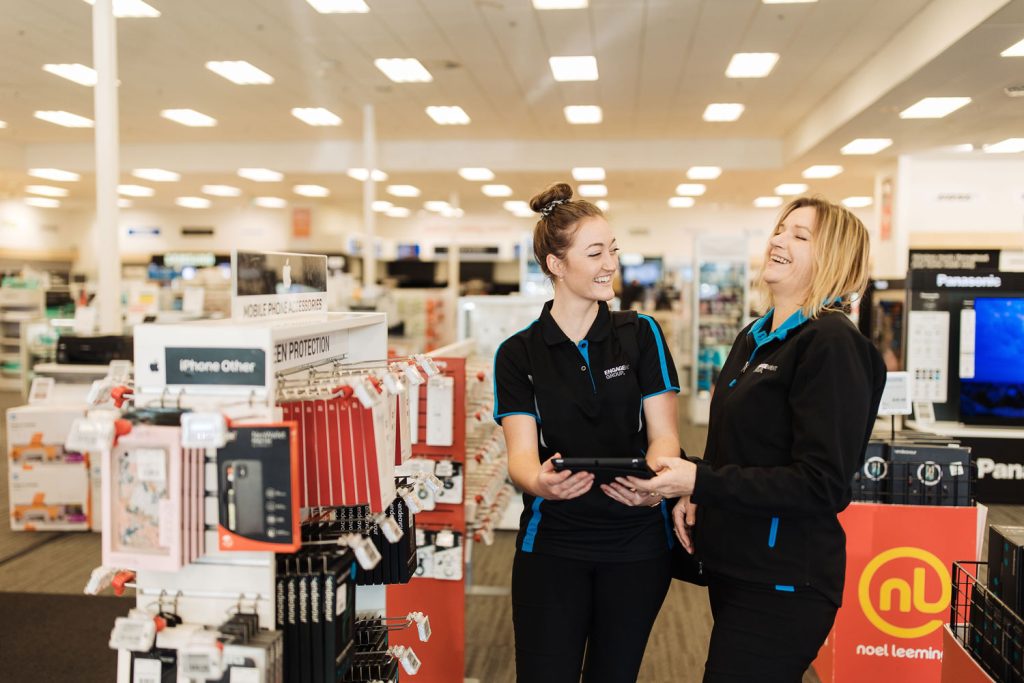
At Engagement Group, our nationwide merchandising services combine technical expertise, local knowledge, and human engagement to ensure every store meets the highest standards of retail execution. Whether optimising displays, maintaining planograms, or providing trained brand ambassadors, our team helps brands elevate their in-store presence, drive retail sales, and build lasting customer loyalty.
If you want to strengthen your in-store merchandising, improve retail execution, and create a memorable shopper experience, contact our team today to get started.
About the Author