Maximising ROI on New Product Launches in Retail Spaces: A Step-by-Step Guide

Rod Smith
Managing Director, Engagement Group
September 23, 2025
Why Retail Brand Promotion Matters in Product Launches
Launching a new product in retail isn’t just about securing shelf space; it’s about making a lasting impact. A strong launch can build momentum, attract new customers, and instantly increase retail sales.
Product launches are a key component of retail marketing and retail advertising, which encompass both in-store and digital strategies to attract and engage customers. But without a clear product placement strategy and reliable in-store execution, even the best products risk going unnoticed.
Having managed countless retail launch campaigns, I’ve seen firsthand how planning and execution make the difference between a slow start and a sales surge. A successful launch clearly communicates the product’s value proposition to potential customers, highlighting its benefits and unique selling points.
The Challenge of Retail Launches
A product launch involves many moving parts:
- Coordinating supply chain and logistics.
- Aligning promotions across multiple channels.
- Ensuring the marketing team is aligned with sales and operations for a cohesive launch.
- Executing displays at the right time in the right stores.
- Training staff and brand ambassadors.
- Measuring results for future optimisation.
If even one of these steps fails, ROI suffers. But when every stage aligns, brands achieve immediate sales impact and long-term growth.
Step 1: Pre-Launch Planning
Defining Objectives
Every launch starts with clear goals. Is the aim to:
- Drive trial and awareness?
- Win market share?
- Build brand visibility?
- Directly increase retail sales?
- Focus on growing sales overall?
- Generate sales through targeted strategies?
Clear objectives guide every decision, from placement to promotions, and help brands achieve more sales.
Understanding the Target Audience
Knowing your shoppers is critical. Conducting market research helps you gain insights into your target market, develop detailed customer profiles, and understand customer needs. Researching demographics, shopping behaviour, and seasonal buying habits ensures displays resonate with the right audience.
For example, launching an energy drink near gyms or convenience stores hits different demographics than placing it in family supermarkets. Tailoring displays to target customers based on their profiles and needs can significantly improve campaign effectiveness.
Coordinating with Retailers
Strong retailer relationships are key. Working with category managers ensures your launch aligns with store priorities, increases chances of premium placement, and avoids stock bottlenecks.
Additionally, consider exploring partnerships with other businesses and complementary businesses to enhance your launch visibility and cross-promote products.
Step 2: Building a Product Placement Strategy
A launch without a product placement strategy is like running a campaign blind. Placement determines visibility, accessibility, and shopper perception. To maximise impact, product placement should be integrated into the broader marketing strategy, ensuring alignment with overall goals, tactics, and media integration.
Shelf Placement
“Eye-level is buy-level.” Effective shelf placement is a crucial aspect of optimising store layout for maximum product visibility. Placing new products at shopper eye height significantly boosts trial rates.
Secondary Displays
End-caps, promotional stands, and checkout displays drive impulse purchases and keep the product top-of-mind.
Cross-Merchandising
Placing complementary products together encourages multiple purchases. For example, launching a new dip beside chips or a new sauce beside pasta.
Zoning for Traffic Flow
Understanding where customers naturally walk helps position products where they’re most likely to be noticed.
Step 3: Crafting an In-Store Execution Plan
The Importance of Consistency
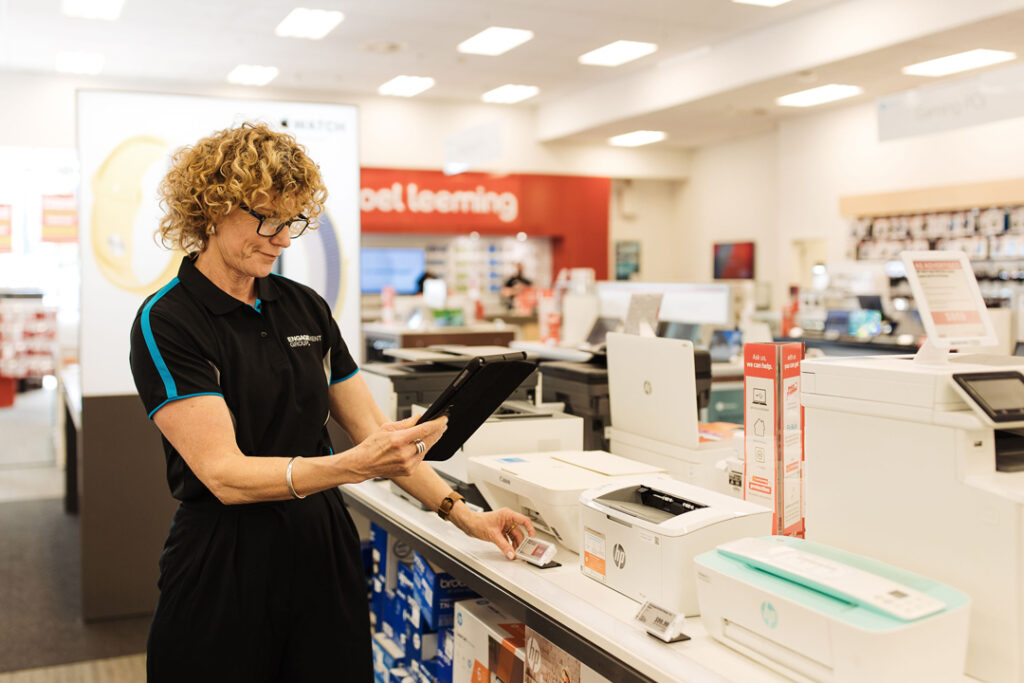
Consistent in-store execution ensures the same quality experience across every store. Whether launching in 20 stores or 200, customers should see the same messaging, placement, and promotional activity.
Visual Merchandising Techniques
- Bold signage to grab attention.
- Colour psychology to influence emotions.
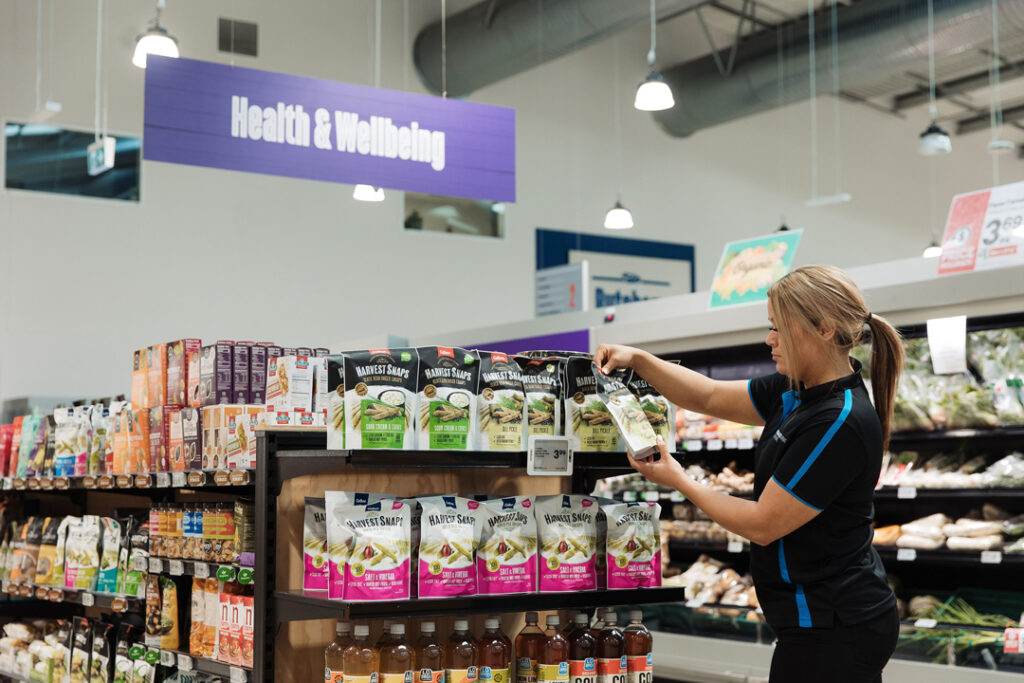
- Clear facings to avoid empty gaps.
- Storytelling displays that show real-life product use.
Training Staff and Brand Ambassadors
Ambassadors play a vital role in launch success. They:
- Offer samples and demonstrations.
- Educate shoppers about product benefits.
- Reinforce promotional messages.
- Collaborate with the sales team to ensure consistent messaging and readiness.
Training sales reps to actively engage customers, answer questions, and cross-sell complementary products further enhances customer satisfaction and sales conversions.
This personal interaction creates trust and drives conversion.
Step 4: Retail Brand Promotion
Aligning with Marketing Campaigns
In-store promotions must align with broader brand activity. Successful alignment requires a well-coordinated marketing mix and consistent marketing efforts across all channels. Advertising, social media, and displays should share the same story. Leveraging content marketing can reinforce brand messaging and engage customers before, during, and after the launch.
Using Promotions to Drive Trial
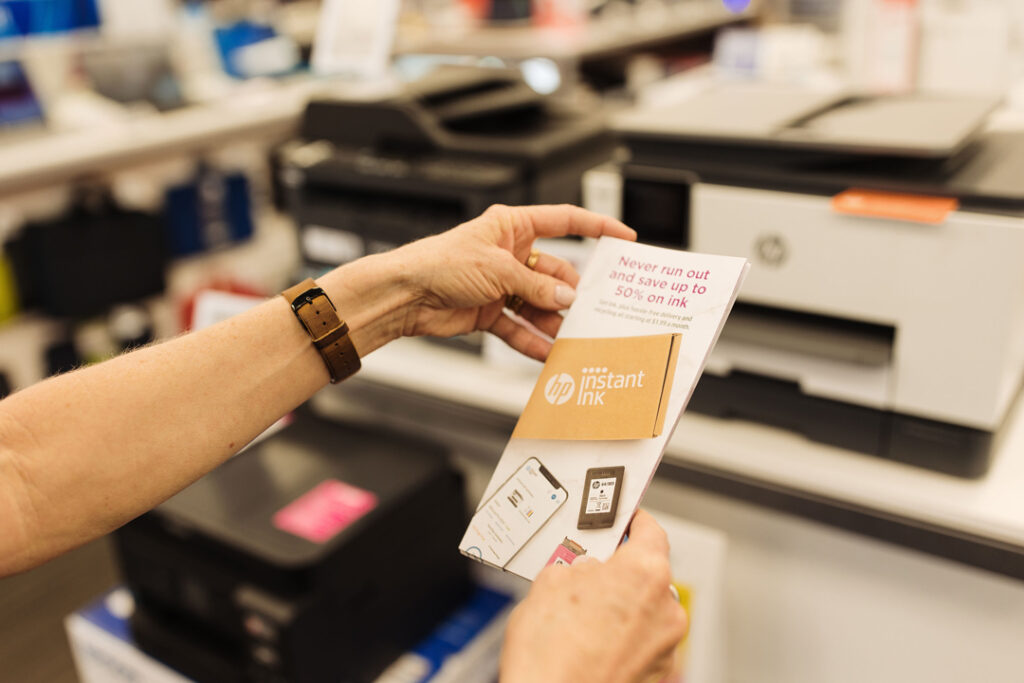
Discounts, bundles, and introductory offers encourage shoppers to take a chance on something new. Creative promotion ideas, such as in-store tastings, limited-time coupons, and loyalty rewards, can attract customers and encourage them to try new products. Pairing promotions with smart placement amplifies results.
Seasonal Tie-Ins
Linking launches to seasonal trends creates relevance. For example, launching a new beverage in summer with outdoor lifestyle displays builds instant connections.
Step 5: Driving Engagement During Launch
Creating Buzz with Demos
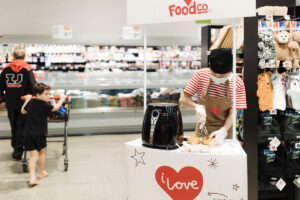
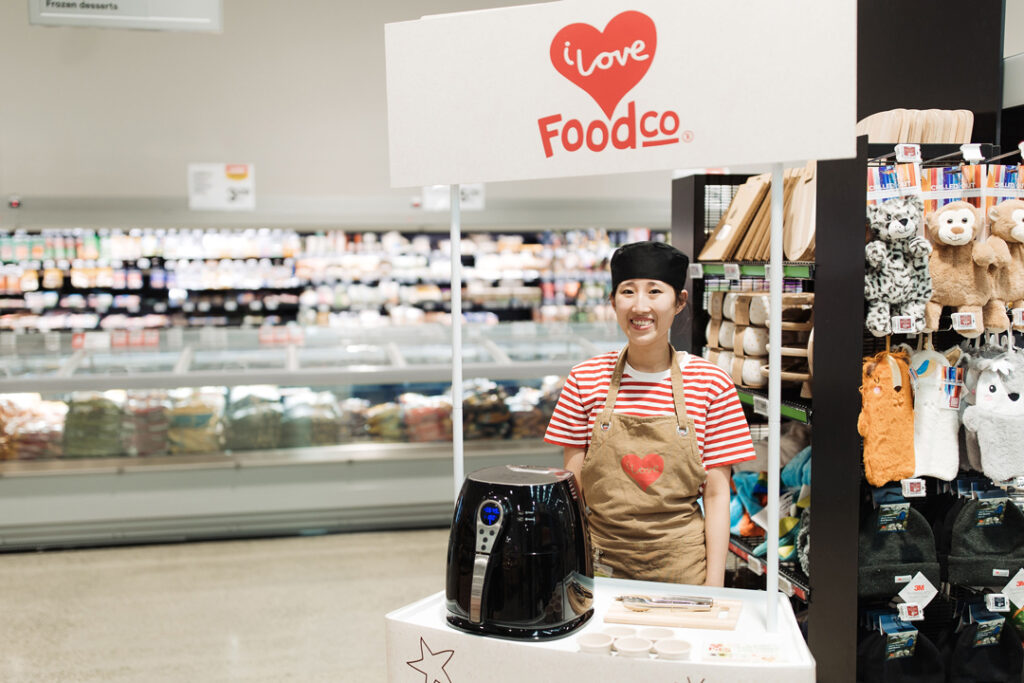
Sampling remains one of the most effective ways to convert new shoppers. In-store demos and sampling events can generate buzz and create excitement around the new product, attracting attention and increasing excitement among potential customers. Brand ambassadors can highlight flavours, features, or benefits while guiding customers through the experience.
Building Urgency
Limited-time offers and scarcity messaging drive faster decisions. Highlighting “while stocks last” or “introductory price” increases conversion rates. Additionally, a soft launch with exclusive early access or limited-time offers can build anticipation and urgency among potential customers.
Leveraging Social Proof
Displaying customer reviews or “bestseller” tags creates credibility and encourages hesitant buyers to try new products. Incorporating influencer marketing to showcase authentic reviews and endorsements from trusted personalities also provides powerful social proof and can further boost buyer confidence.
Step 6: Measuring Launch Success
A launch doesn’t end once the product hits shelves; it’s only successful if results are tracked.
Key Performance Indicators (KPIs)
- Sales lift during launch.
- Sales performance.
- Trial-to-repeat purchase rates.
- Shopper engagement with displays.
- ROI on promotional spend.
Using Data Analytics
Tracking sales by store, region, or display type using analytics helps gain insights into which tactics deliver the strongest return.
Gathering Shopper Feedback
Surveys, sampling events, and ambassador insights provide valuable feedback to refine future campaigns.
Building Customer Loyalty and Retention Through Retail Merchandising
In today’s competitive retail business landscape, building customer loyalty and retention through effective retail merchandising is more important than ever. While a successful product launch can generate immediate excitement and boost sales, the real value comes from turning those initial transactions into lasting relationships. Loyal customers are more likely to make repeat purchases, share positive experiences, and become brand advocates, helping to drive ongoing growth and customer satisfaction.
Retailers who prioritise customer loyalty focus on in-store experiences that encourage repeat visits. By understanding what motivates their target audience and consistently delivering value through thoughtful merchandising, retail stores can transform one-time buyers into lifelong fans. This approach not only increases sales but also strengthens the overall reputation and resilience of the business.
Turning First-Time Buyers into Repeat Customers with Merchandising
Converting first-time buyers into loyal, repeat customers starts with delivering an outstanding in-store experience. Retail merchandising plays a crucial role in this by creating inviting store layouts, eye-catching product displays, and easy navigation that make shopping enjoyable and convenient.
To further encourage repeat purchases, retailers can use merchandising techniques such as strategically placed loyalty program signage, in-store promotions, and exclusive product displays for loyalty program members. Creative displays that highlight complementary products can also increase basket size and customer satisfaction.
Attentive staff supporting merchandising efforts by providing personalised recommendations and product knowledge enhances the overall experience. By focusing on customer preferences and shopping behaviour, retail merchandising can be tailored to nurture relationships, turning first-time buyers into loyal, repeat customers.
Loyalty Programs Supported by In-Store Merchandising
Loyalty programs are most effective when supported by clear and engaging in-store merchandising. Signage promoting rewards, discount codes, and exclusive offers for loyalty program members can catch customers’ attention and motivate them to participate.
For example, a wine store might feature dedicated shelf space showcasing loyalty program benefits alongside popular products, making it easy for customers to understand the value of joining. In-store displays that celebrate milestones or reward points earned can also reinforce positive buying behaviour.
Consistent merchandising reminders throughout the store encourage customers to engage with loyalty programs, fostering repeat visits and long-term loyalty.
Creating Emotional Connections Through Retail Merchandising
Retail merchandising can also build emotional connections with customers by creating immersive and memorable shopping environments. Thoughtful use of colours, lighting, and storytelling displays helps convey the brand’s personality and values, making customers feel more connected.
Merchandising that highlights local or exclusive products can foster a sense of community and belonging.
By aligning merchandising with customer preferences and brand identity, retailers can strengthen emotional ties that encourage repeat purchases and long-term loyalty.
Common Pitfalls in Retail Launches
Even strong brands can stumble without careful planning. Common mistakes include:
- Launching without retailer buy-in.
- Underestimating stock requirements.
- Failing to align promotions with in-store execution.
- Ignoring shopper engagement opportunities.
Avoiding these pitfalls is crucial for maximising ROI. Taking the right steps can make a huge difference in your launch outcomes.
How Small vs. Large Brands Approach Launches
Small Businesses
- Focus on local markets and build grassroots awareness.
- Use creative displays and storytelling to stand out.
- Small businesses must carefully decide where to spend money to maximise launch impact, ensuring each investment drives customer engagement.
- Leverage brand ambassadors for personal connections.
Large Businesses
- Execute at scale across hundreds of stores.
- Invest in multi-channel campaigns.
- Use merchandising services to maintain consistency.
Many brands invest more money in large-scale campaigns to reach diverse target audiences, leveraging their resources to maximise visibility and engagement.
Both approaches can succeed when grounded in solid product placement and in-store execution.
Practical Tips for Retail Launch Campaigns
- Align your placement strategy with shopper flow.
- Secure secondary displays to boost visibility.
- Invest in sampling to convert hesitant buyers.
- Refresh displays every 2–3 weeks.
- Train staff to answer customer questions.
- Use cross-merchandising to encourage upsell.
- Measure ROI continuously and adjust quickly.
- Leverage marketing and targeted campaigns to generate sales during and after the launch.
Why Psychology and Merchandising Matter in Launches
Shoppers often make unconscious decisions. A well-executed product placement strategy appeals to these instincts, creating trust and urgency without the shopper realising why. Effective merchandising at the point of sale can significantly influence buying decisions, guiding shoppers toward making a purchase. When paired with strong in-store execution, this psychological influence translates directly into sales.
Final Thoughts: Turning Launches Into Long-Term Wins
A product launch is more than an event; it’s the foundation for long-term success. A successful launch not only attracts new customers but also engages existing customers and supports customer retention for long-term growth. Brands that treat launches strategically, combining retail brand promotion, smart placement, and consistent in-store execution, not only achieve strong initial sales but also build repeat customers.
At Engagement Group, we specialise in guiding brands through every stage of the process, from planning to execution and review. With the right strategy, every launch can deliver strong ROI and sustainable sales growth.
Get in touch with our team today to plan your next retail launch.
About the Author