Retail Merchandising Strategy Goals for 2026: What High-Performing Brands Do Differently In-Store

Rod Smith
Managing Director, Engagement Group
February 4, 2026
The beginning of the year is when plans are made, targets are set, and strategies look great on paper.
But in retail, performance is not driven by intentions. It is driven by execution. As we move into 2026, the brands that will outperform are not necessarily those with bigger budgets or more ranges. They are the ones that execute better in-store, more consistently, across the year. Effective in-store execution strategies directly contribute to the company’s overall success and profitability by improving product visibility, customer engagement, and sales performance.
Strong in-store execution not only drives results for the business but also enhances the consumer experience, impacting customer satisfaction, engagement, and purchase behaviour.
In-store execution encompasses all strategies focused on presenting, displaying, and marketing products to consumers.
After working with brands across New Zealand for over two decades, the patterns are clear. High-performing brands approach in-store execution very differently.
From Campaign Thinking to Year-Round Standards
One of the biggest shifts we see in successful brands is moving away from campaign-only thinking.
Short-term promotions matter, but they only work when the fundamentals are right. Brands that grow sustainably focus on year-round retail standards, not just peak activity.
This includes:
- Consistent shelf presentation
- Reliable stock availability
- Clear pricing and signage
- Ongoing display maintenance
Retailers reward brands that are easy to work with and easy to shop.
Ongoing Display Maintenance During Key Activity Periods
Where high-performing brands really differentiate themselves is during display and promotional weeks.
Display activity creates expected sales uplift. That uplift must be supported operationally. This means increased merchandising frequency during display periods to ensure:
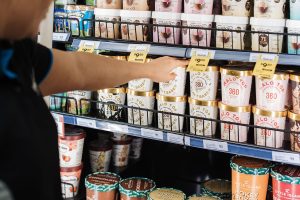
- Displays remain full as stock sells through
- Pricing and promotional tickets stay accurate
- Displays are replenished quickly to avoid empty spaces
Lifting stock levels in advance to match expected sales uplift is critical. Empty displays undermine the impact of the activity and can quickly erode both shopper confidence and retailer trust.
Execution Beats Expansion
A common goal we hear is expanding into more stores. But store count alone does not drive growth.
High-performing brands focus first on maximising performance in existing stores. Improving in-store execution often delivers stronger returns than chasing new distribution. Understanding consumers—their preferences, behaviours, and motivations—is essential for effective merchandising that drives engagement and sales.
Better execution leads to:
- Higher conversion rates
- Improved run-rate performance
- Stronger retailer confidence
- More opportunities for secondary space
Effective merchandising and in-store execution strategies help products sell more successfully by influencing consumer choices and increasing retail revenue. Better in-store execution leads to more sales and higher revenue for brands. Successful in-store execution can lead to a significant increase in sales, with brands seeing lifts of 20 to 30 % when improving product merchandising. Strategically placed products can stimulate consumer purchases by enhancing visibility and appeal. Effective merchandising involves understanding consumer preferences and tailoring product placement accordingly. It can also help businesses increase sales and manage money efficiently through better inventory turnover and higher transaction values. Consistent, high-quality in-store execution can have a dramatic effect on sales, with brands regularly seeing a lift of 20 to 30 % when they improve how and where their products are merchandised.
Consistency Builds Trust With Shoppers and Retailers
Consistency is one of the most undervalued drivers of retail success.
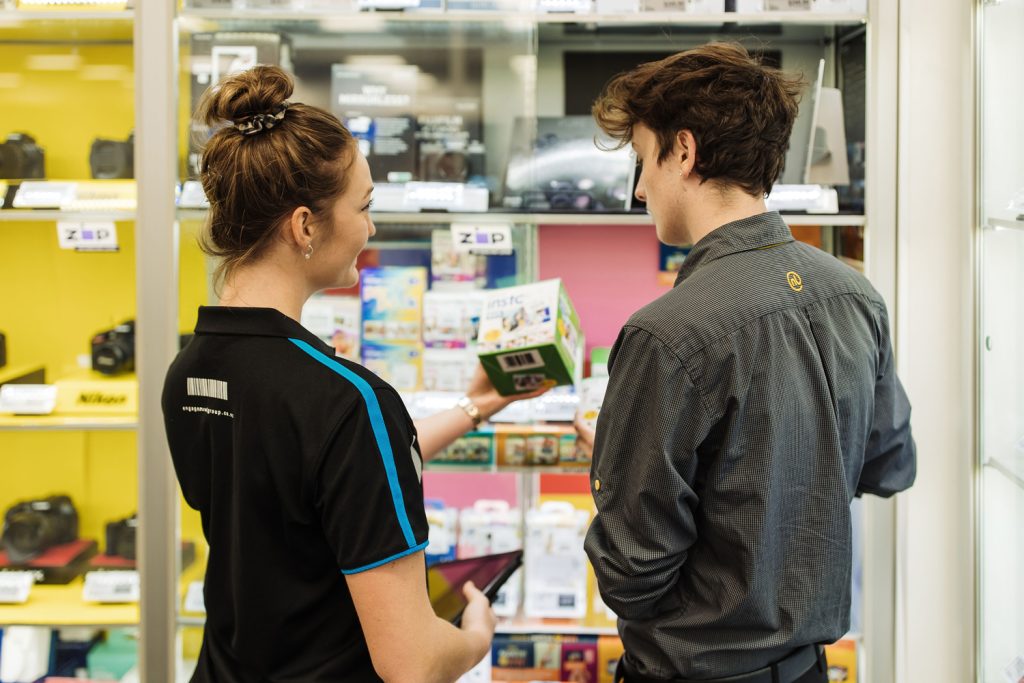
Shoppers expect the same experience every time they enter a store. A consistent shopper experience is crucial for building trust and driving repeat visits. Training sales associates to deliver memorable experiences helps engage customers and fosters loyalty. The store manager plays a key role in ensuring consistent in-store execution and building trust with both shoppers and retailers. Retailers expect brands to maintain standards without constant intervention.
Training sales associates is essential for effective in-store execution and enhancing customer experience. A positive shopper experience is directly related to client satisfaction. A well-trained sales associate can increase average transaction value and maximise sales on the sales floor. Training staff is essential to ensure merchandising success and to maximise the effectiveness of sales strategies.
What Consistency Looks Like In Practice
Consistency is achieved through:
- Standardised planogram execution
- Clear display guidelines
- Regular compliance checks
- Professional merchandising services
- Regular audits of in-store execution to identify and fix problems, enabling timely re-strategising
A well-managed supply chain is also essential for maintaining inventory levels and supporting consistent in-store execution.
When consistency slips, trust erodes quickly.
Merchandise Planning and Placement: The Unsung Differentiator
In today’s competitive retail landscape, merchandise planning and placement have become the unsung heroes behind retail sales growth and customer loyalty. The way products are organised and presented in-store is a direct reflection of a brand’s sales strategy and has a profound impact on customer expectations and in-store execution.
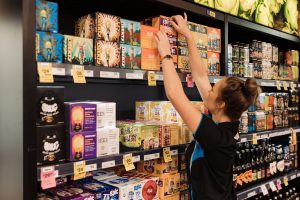
For grocery stores and brick-and-mortar retailers, strategic placement of high-demand categories—such as electrical and electronic goods, liquor, and personal accessories—can significantly influence consumer behaviour and purchase decisions. A well-thought-out store layout, combined with effective retail merchandising, not only enhances the customer experience but also drives higher sales volumes and improved sales performance.
Store managers play a pivotal role in managing inventory, ensuring product quality, and maintaining a fully stocked and well-stocked environment. Attention to brand identity and even beverage services can transform a routine shopping trip into a memorable experience, encouraging repeat visits and building customer loyalty. By understanding consumer psychology and adapting to evolving shopping patterns, retailers can create an in-store atmosphere that resonates with their target market.
Recent data from New Zealand highlights the impact of strong merchandise planning. Retail sales have seen a notable increase, with the North Island experiencing a particularly robust uptick compared to the South Island. Sectors such as garden supplies, parts retailing, and motor vehicle sales have all benefited from an extra push in sales, thanks to thoughtful product placement and inventory management. These results underscore the importance of being fully stocked and responsive to customer needs, especially during periods of increased demand.
The integration of e-commerce with physical store operations is now an integral part of retail success. By leveraging detailed insights and data on consumer behaviour, retailers can fine-tune their merchandise planning to better align with market trends and customer preferences. This holistic approach not only boosts store sales but also helps brands capture greater market share and attract new customers.
Looking ahead, merchandise planning and placement will remain a cornerstone of retail strategy. As the industry continues to evolve, those retailers who prioritise a seamless, well-executed in-store experience—supported by robust inventory management and a clear understanding of consumer expectations—will be best positioned for sustained growth and success. By making merchandise planning an integral part of their business, retailers can ensure they are ready to meet the challenges and opportunities of the future retail market.
Closing the Gap Between Strategy and Reality
Most brands have strong retail strategies. The challenge is ensuring those strategies show up in-store as intended.
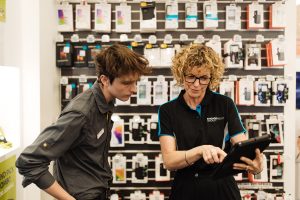
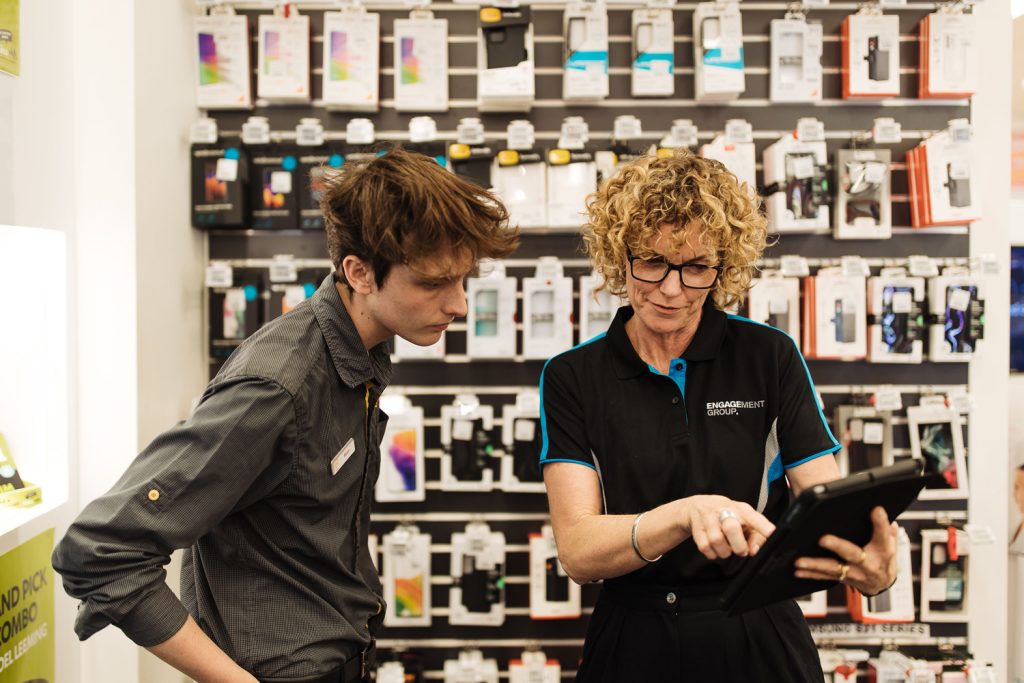
There is often a disconnect between head office plans and shop floor reality. This gap is where performance is lost. Building a human connection through regular face-to-face interactions with store managers helps establish trust and facilitates effective in-store execution.
High-performing brands invest in visibility and accountability on the ground, ensuring execution matches intent.
The Role of Brand Ambassadors in 2026
As retail environments become more competitive, human interaction is becoming more valuable, not less.
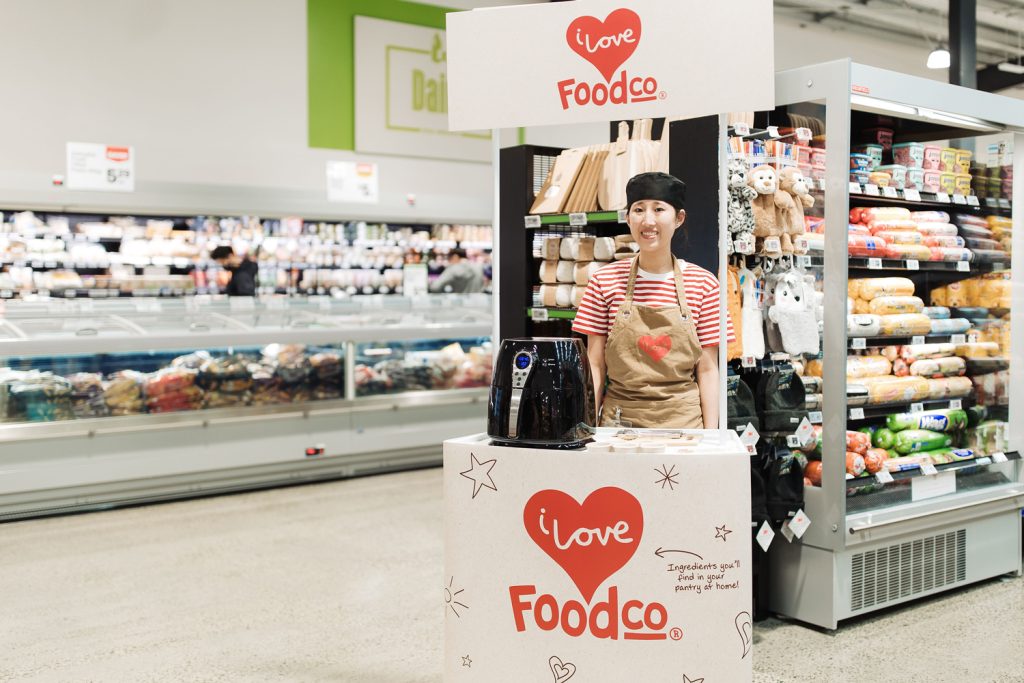
Brand ambassadors support retail goals by:
- Driving product education
- Increasing shopper engagement
- Supporting new launches
- Providing real-time feedback from stores
They add a layer of influence that signage and displays alone cannot deliver.
Measuring What Actually Matters
Retail goals only matter if they are measured properly.
Successful brands track:
- Sales performance by store
- Compliance against standards
- Stock availability
- Display quality over time
- Sales performance compared to the previous quarter
This data-driven approach allows brands to adjust quickly and protect performance throughout the year.
Integrating online sales data with physical store performance is essential for a comprehensive retail merchandising strategy. Retail sales in New Zealand increased 1.90 % in the third quarter of 2025 over the previous quarter. Retail sales in New Zealand are seasonal, volatile, and relatively important to the overall economy.
Final Thoughts
Retail success in 2026 will not come from doing more. It will come from doing the fundamentals better, more consistently, and with greater accountability.
Brands that prioritise strong in-store execution, ongoing maintenance, and shopper-focused experiences will outperform those chasing quick wins.
At Engagement Group, we help brands turn retail goals into real-world results through disciplined merchandising and brand ambassador support.
If you are setting your retail goals for 2026 and want execution to match ambition, speak to our team today.
About the Author