How to Create Retail Displays That Actually Sell

Rod Smith
Managing Director, Engagement Group
December 29, 2025
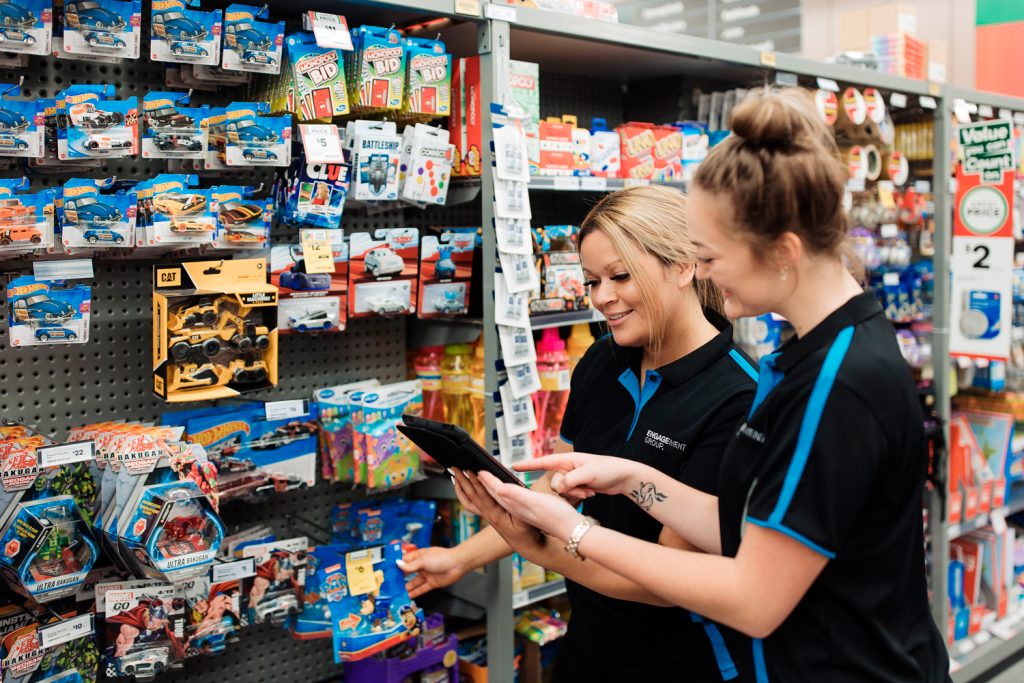
Practical strategies to create effective retail displays that boost in-store engagement and drive sales.
Retail displays are everywhere, but retail displays that consistently drive sales are far less common. In many stores, displays are built with good intentions but lose impact over time due to poor maintenance, unclear messaging, or inconsistent execution.
A retail display that actually sells does three things well. It captures attention quickly, explains value without effort, and makes the path to purchase feel obvious. When those elements are missing, even strong products struggle to perform.
At Engagement Group, we see firsthand how disciplined in-store merchandising and practical retail execution turn everyday displays into reliable sales drivers. This article takes a hands-on approach to retail displays, focusing on what works at the shelf level and why.
What Separates High-Performing Retail Displays From Decorative Ones
Not all retail displays are built with the same purpose. Some are designed to look good, others are designed to sell.
The idea behind high-performing retail displays is to create a concept that not only attracts attention but also drives sales by connecting with shoppers on a deeper level.
High-performing retail displays are created with shopper behaviour in mind. They recognise that shoppers are time-poor, visually overloaded, and unlikely to stop unless something is immediately clear and relevant. These displays are introduced to shoppers in a way that makes an immediate impact, ensuring the first impression is both engaging and memorable.
Here are the key points that separate high-performing displays from those that are merely decorative:
Retail displays that sell tend to share the same characteristics:
- Clear product focus rather than too many messages
- Obvious pricing and product information
- Logical placement within the store
- Ongoing upkeep through in-store merchandising
Displays that lack these basics often become visual noise rather than sales tools.
Designing Retail Displays Around How Shoppers Actually Browse
Understanding the First Five Seconds
Most purchase decisions begin with a glance. If a shopper cannot understand a display within a few seconds, they move on.
Effective retail displays respect this reality by prioritising instant comprehension over elaborate design. Product presentation should answer three questions quickly:
- What is this product
- Who is it for
- Why should I care
When these answers are visible at a glance, shopper engagement increases, and hesitation decreases.
Why Simplicity Outperforms Complexity
Simple retail displays consistently outperform busy ones. This does not mean boring. It means intentional.
Simplicity in visual merchandising is an effective solution for helping shoppers make quick decisions. It helps shoppers:
- Identify priority products
- Compare options easily
- Make decisions with confidence
Removing unnecessary elements is often the fastest way to improve retail display performance.
Product Presentation That Supports Confident Purchases
Product presentation plays a major role in how shoppers assess quality and value. Displays that feel orderly, balanced, and well-maintained signal professionalism and trust.
Strong product presentation includes:
- Even spacing between products
- Clear separation between ranges
- Logical grouping by use or benefit
- Consistent facings
- Clearly communicating product benefits
Effective displays should also demonstrate how the product solves customer problems, helping shoppers understand the value and unique solutions offered.
When product presentation is inconsistent, shoppers subconsciously question the product itself.
Placement Decisions That Influence Sales Outcomes
Why Location Matters as Much as Design
Retail displays do not exist in isolation. Where they sit in-store has a direct impact on performance.
High-performing displays are placed where shoppers naturally slow down, such as:
- End caps
- Main aisles
- Category transition points
- Near complementary products
Strategic placement in these high-traffic areas increases exposure to potential buyers, making it more likely that the display will attract attention and drive sales.
Placing a strong display in a low-traffic area limits its potential, regardless of design quality.
Eye-Level Still Wins
Eye-level placement remains one of the most effective tools in in-store merchandising. Products positioned within natural sightlines receive more attention and stronger conversion.
Priority SKUs, promotional lines, and new products benefit most from eye-level positioning supported by clear pricing and signage. This strategy is especially effective for attracting new customers who may not be familiar with the product, as it increases visibility and encourages them to engage with the brand.
The Role of Planogram Execution in Display Success
Retail displays often start strong but drift over time. Products shift, gaps appear, and the original structure is lost. This is where planogram execution becomes critical.
Accurate planogram execution ensures:
- Products stay in the right position
- Facings match sales priorities
- Visual balance is maintained
- Displays remain easy to shop
Without regular planogram checks, even well-designed retail displays lose effectiveness.
Merchandising services help protect this structure by maintaining consistency for clients with multiple store locations and throughout the trading cycle.
Pricing and Signage at the Point of Decision
Why Clear Pricing Drives Conversion
Pricing uncertainty creates friction. If a shopper has to search for a price, they are more likely to disengage.
Retail displays that sell make pricing:
- Easy to find
- Easy to read
- Easy to understand
Clear pricing supports faster decisions and reduces abandoned purchases.
Signage That Supports, Not Distracts
Signage should guide the shopper, not compete with the product. Effective signage focuses on essential information such as price, benefit, or promotion. Just as a well-designed slide deck in a presentation communicates key details clearly and efficiently, effective signage in stores serves as a visual aid to deliver important information without overwhelming the audience.
Overloading displays with too much signage often reduces impact rather than improving it.
Keeping Retail Displays Sale-Ready Every Day
Stock Availability Is Non-Negotiable
An empty display does more than lose a sale. It damages trust.
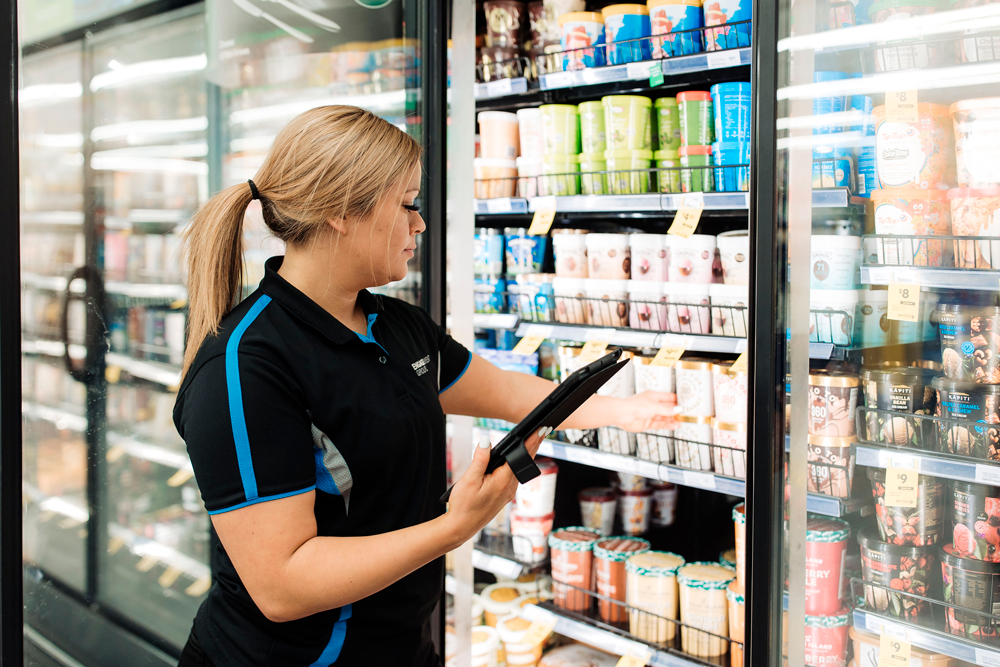
Strong in-store merchandising includes regular checks to ensure retail displays remain stocked, tidy, and aligned with display standards. Reliable stock availability reinforces brand credibility and encourages repeat purchases.
Why Maintenance Is Part of the Display Strategy
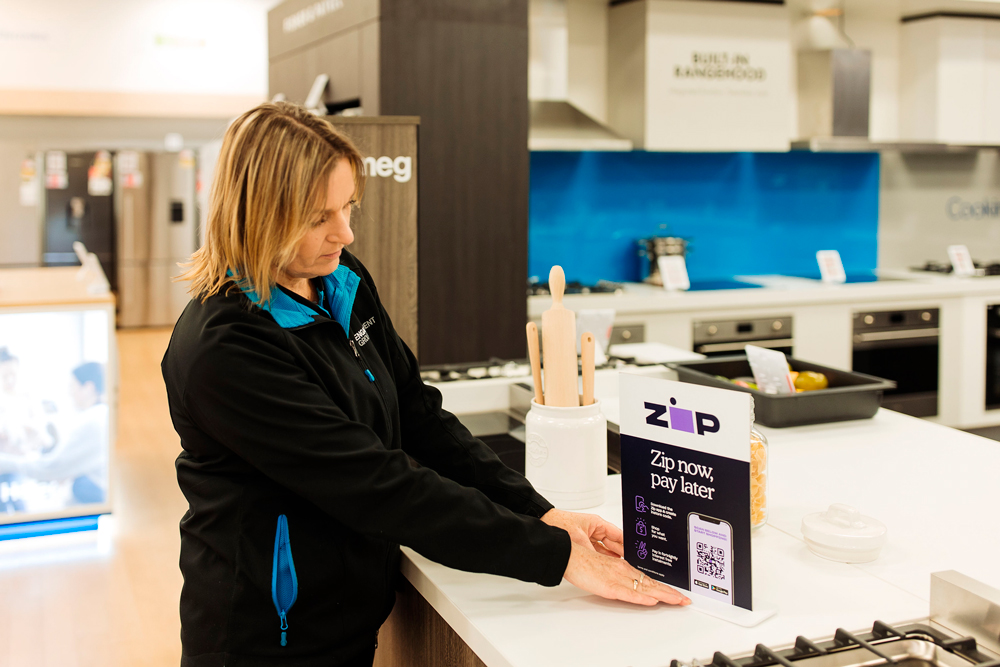
Retail displays are not a set-and-forget activity. Small daily issues quickly add up if they are not addressed.
Effective merchandising execution focuses on:
- Correcting product drift
- Replacing missing tickets
- Tidying shelves
- Refreshing worn materials
These small actions protect display performance over time.
Using Seasonal Changes to Reignite Shopper Interest
Seasonal retail displays give shoppers a reason to look again. They signal relevance and help brands stay top of mind throughout the year.
Seasonal updates may include:
- Changing hero products
- Updating messaging
- Adjusting colour or layout
- Supporting promotional periods
Well-timed seasonal updates can lead to increased revenue for retailers by attracting more customers and boosting sales during key periods.
Seasonal refreshes do not need to be complex. Simple, well-timed changes often deliver strong results.
Consistency Across Stores Builds Confidence
Shoppers expect consistency. When a brand looks different from store to store, trust erodes.
Consistent retail execution is achieved through:
- Standardised planograms
- Clear reference materials
- Regular compliance checks
- Professional merchandising services
Brands often showcase their consistent retail execution on their website to build trust with customers.
Consistency helps retail displays feel familiar, reliable, and easy to shop, regardless of location.
The Impact of Human Interaction at the Display
Retail displays attract attention, but people influence decisions. Brand ambassadors enhance retail displays by providing clarity, reassurance, and product knowledge at the moment it matters most.
Human engagement helps:
- Answer shopper questions
- Explain benefits
- Encourage trial
- Build confidence
When combined with strong visual merchandising, brand ambassadors significantly improve conversion and shopper engagement.
Integrating In-Store Promotions with Retail Displays
Integrating in-store promotions with retail displays is a proven way to create a successful product presentation that captures attention and drives more sales. When retailers combine eye-catching displays with well-timed promotional items, they not only engage shoppers but also build trust and establish credibility with both new and existing customers.
A great product presentation should clearly communicate key benefits and showcase product quality. Using visual aids—such as slide decks, physical product samples, or interactive signage—helps customers quickly understand what the product offers and how it solves their needs. Retailers can further enhance engagement by providing specific examples of how the product fits into customers’ lives, making the benefits tangible and relatable.
Effective presentation is about more than just aesthetics; it’s about creating a sense of value and trust. By highlighting promotional items alongside core products, retailers can encourage trial, increase awareness, and ultimately drive sales. The result is a powerful product presentation that not only attracts potential customers but also delivers a memorable in-store experience that supports long-term customer loyalty.
Launching New Products with Impactful Displays
Launching a new product is a critical moment for any retailer, and impactful displays are essential for making a strong first impression on potential customers. A well-designed display helps your new product stand out from the competition and creates a sense of excitement and anticipation in the store.
To create an effective display, focus on presenting all the features and key benefits of the new product in a way that is easy for shoppers to understand at a glance. Use specific examples and real-life scenarios to show how the product can be used, helping customers visualise its value in their own lives. Incorporating human interaction—such as knowledgeable sales team members or brand ambassadors—can further enhance the experience by providing personalised recommendations and answering questions on the spot.
By combining impactful displays with engaging sales teams, retailers can boost customer satisfaction, encourage trial, and drive more sales. This approach not only introduces the new product effectively but also builds brand loyalty and sets the stage for ongoing success in a competitive market.

Leveraging Customer Feedback to Refine Displays
Customer feedback is a powerful tool for retailers looking to create a successful product presentation and improve customer satisfaction. By actively collecting and analysing feedback from customers, retailers can gain valuable insights into what works—and what doesn’t—about their current displays.
This feedback can highlight areas where the product presentation may be unclear, where key benefits are not being communicated effectively, or where the display could be more engaging. Retailers can then use this information to refine their displays, making targeted improvements that enhance the shopping experience and increase sales opportunities.
Listening to customer feedback also helps establish credibility and build trust, showing customers that their opinions matter and that the company is committed to delivering the best possible service. Over time, this process leads to more effective displays, higher customer satisfaction, and a stronger, more loyal customer base.
Measuring Whether Your Retail Displays Are Working
Retail displays should earn their space. Measuring performance helps identify what to keep, adjust, or replace.
Useful indicators include:
- Sales performance
- Shopper dwell time
- Conversion at the shelf
- Compliance with display standards
Insights from merchandising teams allow brands to continuously improve retail display effectiveness.
Why Professional Merchandising Services Make the Difference
Retail displays succeed when execution is consistent. Professional merchandising services ensure displays remain accurate, compliant, and sale-ready long after installation.
Merchandising services support:
- Planogram execution
- Display maintenance
- Stock availability
- Retail execution across locations
At Engagement Group, our merchandising services are designed to help retail displays deliver results, not just look good.
If you want support creating and maintaining retail displays that actually sell, contact our team here.
Final Thoughts
Retail displays that sell are built through practical decisions, disciplined execution, and attention to detail. Strong product presentation, effective placement, clear pricing, and consistent in-store merchandising all work together to influence shopper behaviour.
When visual merchandising is supported by professional merchandising services and human engagement, retail displays become dependable sales assets rather than temporary installations.
If you are ready to improve your retail displays and strengthen in-store performance, contact our team today to see how we can help.
About the Author