From Factory to Shelf: How Supply Chain and Merchandising Work Together

Rod Smith
Managing Director, Engagement Group
August 28, 2025
A product’s journey doesn’t end once it leaves the factory. That’s when the most important part begins:
making sure it’s visible, available, and appealing on the shop floor. Over the years, I’ve seen plenty of great products get lost in stores simply because the supply chain and merchandising weren’t aligned.
When merchandising services work hand-in-hand with logistics, brands see their efforts really pay off.
Merchandising Services: The Last Mile
Think of merchandising as the final step in the supply chain. Products move from warehouses and fulfilment centres through interconnected supply chains to the store. A strong strategy ensures this process is seamless.
The trucks might deliver on time, and the stock might be perfect. But if products don’t make it onto shelves correctly, customers won’t notice them.
That’s where expert merchandising services become critical. In-store execution is the last mile, and it’s where sales actually happen. Expertise and dedicated service are essential to ensure products are displayed effectively.
Why Supply Chain Coordination Matters
When supply chain and merchandising work together, brands can:
- Avoid out-of-stocks and empty shelves
- Launch promotions seamlessly with stock ready to go
- Ensure layouts support both visibility and availability
- Troubleshoot quickly when issues crop up in-store
- Implement strategies to boost sales and improve customer experience
Strategically coordinating merchandising and supply chain drives sales, increases purchases, and ensures stores are set up to sell effectively.
For example:
- A store with stock in the back room but nothing on the shelves misses purchasing opportunities and loses sales by the minute.
- A store that’s well-merchandised and stocked sells with momentum.
Providing more space for inventory and focusing on specific items can further enhance the customer experience and increase sales.
Visual Merchandising in Action
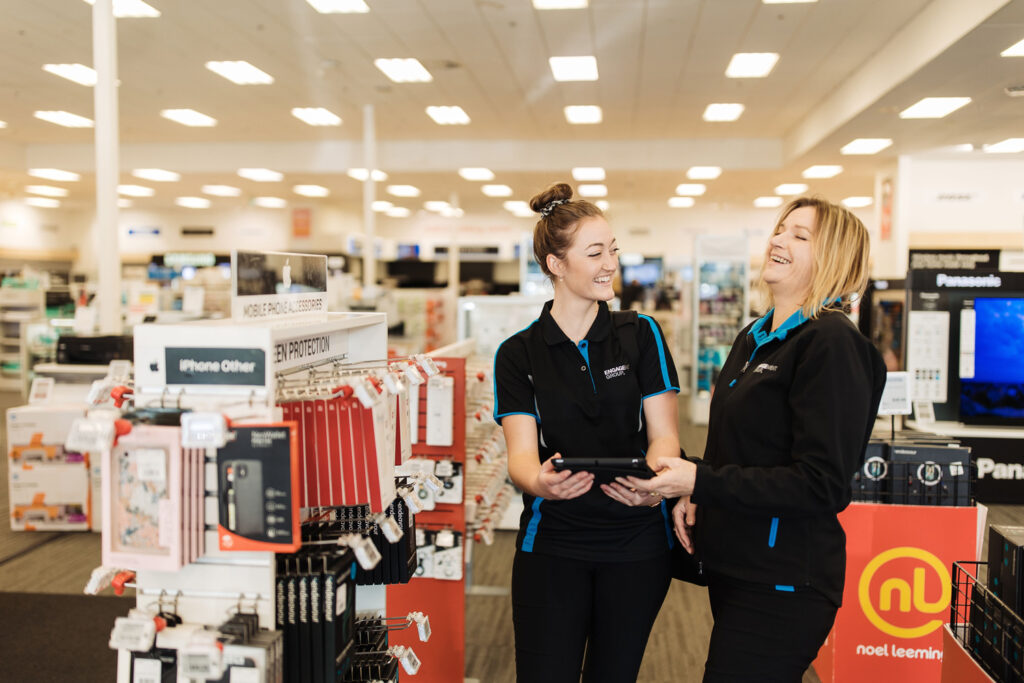
Visual merchandising is where the art and science of retail truly meet. It’s not just about making products look good; it’s about designing a store layout that guides customers, encourages browsing, and ultimately drives more sales.
The right approach transforms a store from a simple point of sale into a memorable experience that keeps customers coming back.
Store Layouts: Choosing the Right Foundation
Choosing the right layout is essential.
- Grid layout: Common in grocery stores. Maximises floor space and helps customers find items quickly.
- Free-flow layout: Creates a relaxed atmosphere, encouraging exploration and impulse purchases.
- Mixed layout: Combines elements of both to suit target markets and product ranges.
The layout you choose sets the tone for customer flow, product visibility, and overall shopping experience.
Strategic Product Displays
Displays are critical to boosting sales.
- Power wall: The first wall customers see. Showcases new products or high-margin items.
- Checkout placement: Tempting products near the cash register increase impulse purchases.
- Creative displays: Visual breaks and themed areas highlight different product categories, keeping the store engaging.
Even small adjustments, like grouping complementary products or creating eye-catching focal points, can significantly improve purchase rates.
Technology in Visual Merchandising
Modern tools enhance merchandising effectiveness:
- Digital signage: Engages shoppers with dynamic content.
- Data analytics: Tracks customer behaviour and optimises product placement.
- Inventory control systems: Ensure shelves are stocked and product rotation is efficient.
These tools, combined with strong project management and initial consultations, ensure every square metre of floor space drives sales and satisfaction.
Operational Efficiency Matters
Efficiency supports creativity.
- Well-stocked shelves and clear signage make it easy for customers to find what they need.
- Logical product groupings support inventory control and supply chain efficiency.
- Working with merchandising experts (especially those with local knowledge in markets like New Zealand) helps retailers develop scalable, effective solutions.
How We Bridge the Gap to Boost Sales
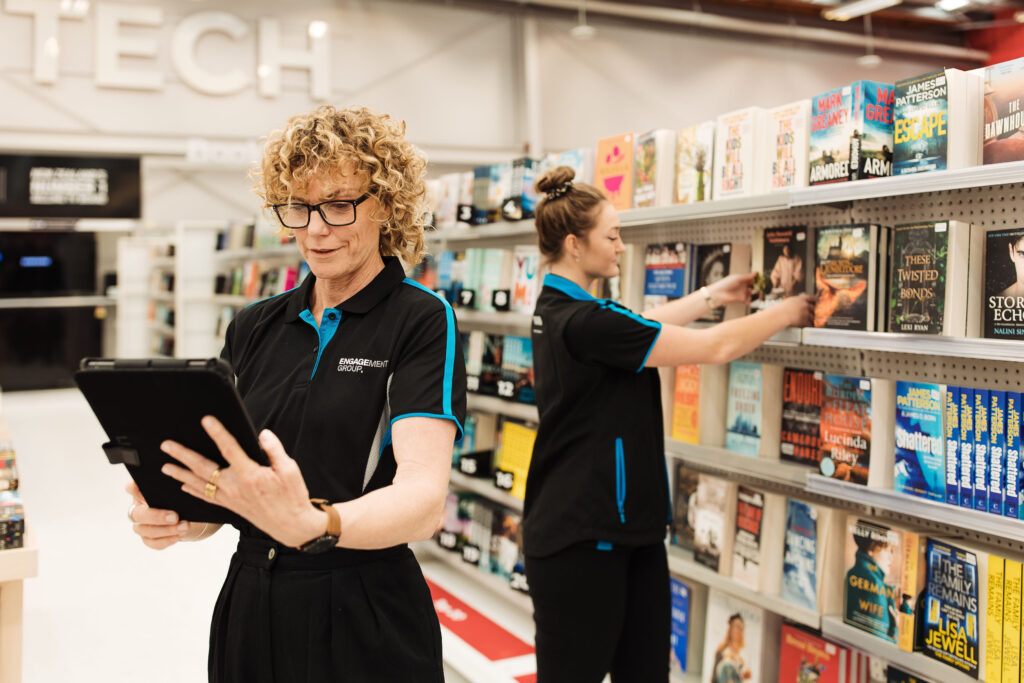
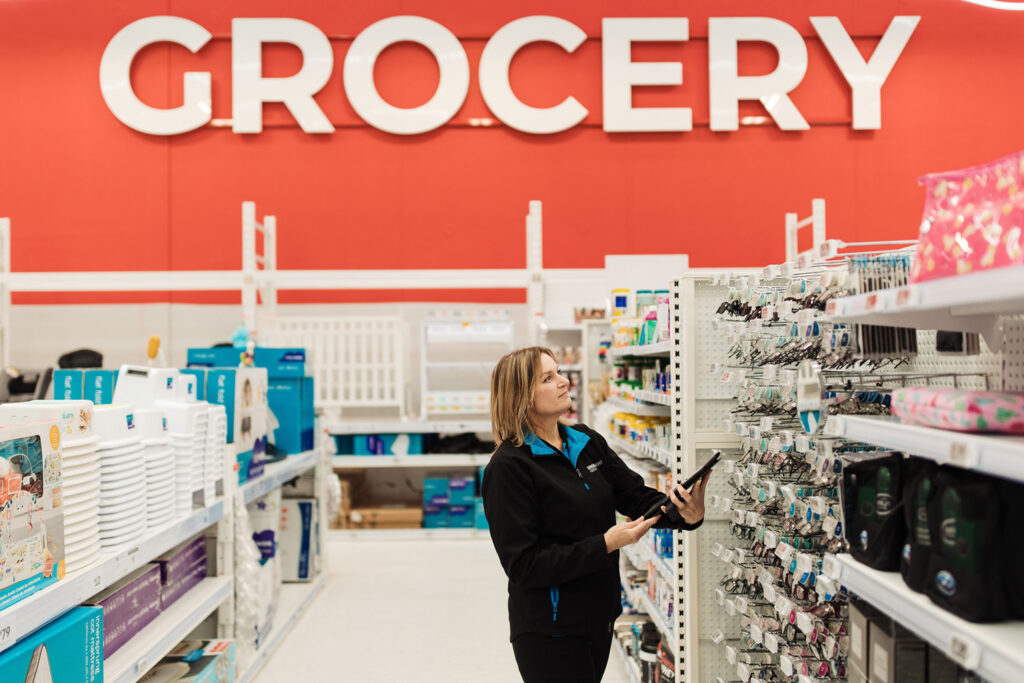
At Engagement Group, our role is to connect these moving parts, managing merchandise across different store layouts in various retail stores.
We make sure products are on shelves when customers are ready to buy, and that they’re displayed in the best possible way.
Adapting to Different Store Layouts
We work with multiple types of layouts, including:
- Grid layout
- Loop layout
- Herringbone layout
Our team adapts the approach to suit the unique needs of each retail environment.
By optimising decompression zones, understanding the invariant right, and strategically placing checkout areas, we improve customer flow and overall shopping experience.
These layouts encourage customers to browse and engage with merchandise more effectively. We handle the small details: gaps, compliance checks, rotation, so brands don’t have to.
How can we help your brand grow?
Get in touch with our team today for a free 30 minute consultation
Get StartedVisual Merchandising Tips to Boost Customer Experience
- Place high-demand products at eye level for maximum visibility
- Use themed displays to create memorable in-store moments
- Rotate products regularly to maintain freshness and interest
- Align product placement with promotions and seasonal campaigns
- Combine creativity with operational efficiency for the best results
Final Thoughts on Customer Satisfaction
A strong supply chain is essential, but merchandising is what makes products visible to customers.
Preparing for the future of retail through effective merchandising services ensures your brand stays ahead of trends and evolving customer expectations.
Together, supply chain and merchandising turn hard work at the factory into sales at the checkout.
Connect with our team to see how we can bring this alignment to your brand.
About the Author