8 Common Merchandising Mistakes That Cost You Sales

Rod Smith
Managing Director, Engagement Group
November 24, 2025
Learn how to improve your retail merchandising strategies for better performance.
Most retail teams do not lose sales because of a bad product. They lose sales because of how that product appears in-store. Over the years, I have seen strong ranges underperform simply because essential retail merchandising principles were overlooked. The positive side is that these issues are entirely preventable. When you understand the common pitfalls, you can dramatically improve in-store merchandising execution, restore display standards, and create a seamless shopping experience that supports stronger retail sales. By mastering these fundamental elements of retail merchandising execution, brands can not only maintain consistent display standards but also drive measurable retail sales growth across multiple store locations.
In this article, I break down the eight most common retail merchandising mistakes and provide actionable solutions for each one, and offer practical strategies for avoiding them that give your business a competitive advantage in retail performance. These insights come directly from the shop floor, where small improvements often unlock significant increases in customer engagement and retail sales.
1. Cluttered or Overcrowded Displays
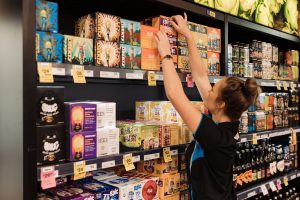
Shoppers make decisions within seconds. When a display feels cramped, cluttered, or visually chaotic, customers disengage quickly. They cannot find what they want, they feel overwhelmed, and they may assume the product offering is confusing or poorly curated. It is important to consider the visual aspect, such as the proportion and arrangement of products, to enhance the overall appeal and effectiveness of the display.
Clutter also distracts from premium items, hero SKUs, or new launches. Instead of highlighting specific products, overcrowded shelves bury your best opportunities and reduce the overall impact of your retail merchandising.
Why Clutter Hurts Retail Sales
Crowded displays disrupt the natural product flow that encourages browsing and discovery. Effective in-store merchandising works best when shoppers can visually navigate from one item to another with ease. Overcrowding makes it difficult for the eye to focus, reducing dwell time and lowering conversion rates. Effective management of display standards and product spacing is a cornerstone of successful retail merchandising, directly contributing to improved retail sales and a more engaging shopper experience.
How to Enhance Display Flow
- Edit out slow-moving SKUs to create breathing space
- Group products logically by brand, category, or customer need
- Use vertical blocking to guide the eye naturally and simplify selection
- Keep adjacent products distinct to avoid overwhelming the shopper
At Engagement Group, our merchandising services refine store layouts and displays to create a relaxed, engaging shopping experience. Even small spacing adjustments can noticeably increase dwell time, customer interaction, and retail sales.
2. Poor Ticketing and Pricing Visibility
One of the fastest ways to lose a sale is unclear, missing, or inconsistent pricing. Shoppers rarely ask staff for clarification, and if they cannot immediately see the price, they often assume the product is expensive, unavailable, or not worth their time. Clear signage is essential for helping customers quickly identify prices and product information, making their shopping experience smoother and more efficient.
Clear and legible signage is a cornerstone of strong in-store merchandising execution. It helps customers make confident, quick decisions and supports overall retail sales. Consider implementing digital or smart ticketing systems as part of your retail merchandising strategy to ensure real-time accuracy, enhance in-store merchandising execution, and support higher retail sales.
Why Pricing Visibility Matters
Correct ticketing reduces friction, builds trust, and removes hesitation. Poor or inconsistent pricing undermines customer confidence and can directly impact conversion rates and average basket value.
How to Improve Ticketing and Signage
- Ensure every product has a visible, accurate price tag
- Use large, readable fonts with strong contrast
- Audit pricing regularly to maintain consistency
- Align ticketing with current promotions and planogram layouts
- Position tags consistently across all shelves and displays
Tips to Keep Pricing Clear
- Colour-code tags for promotions versus standard SKUs
- Train staff to check and correct missing tickets daily
While ticketing may seem basic, it is one of the most impactful elements of effective merchandising execution.
3. Inconsistent Restocking and Shelf Readiness
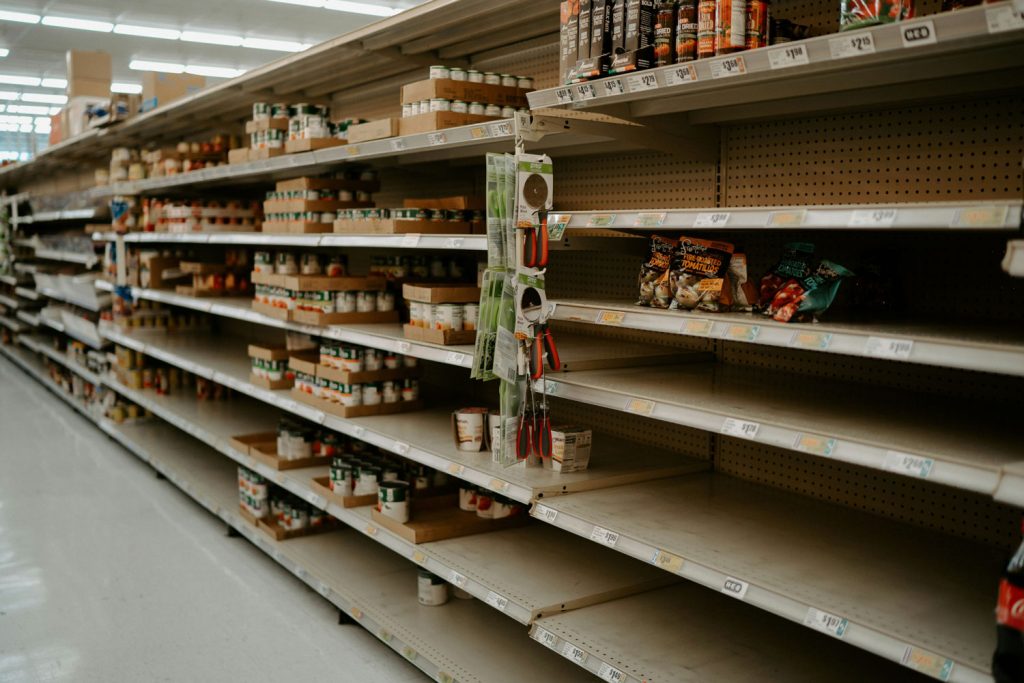
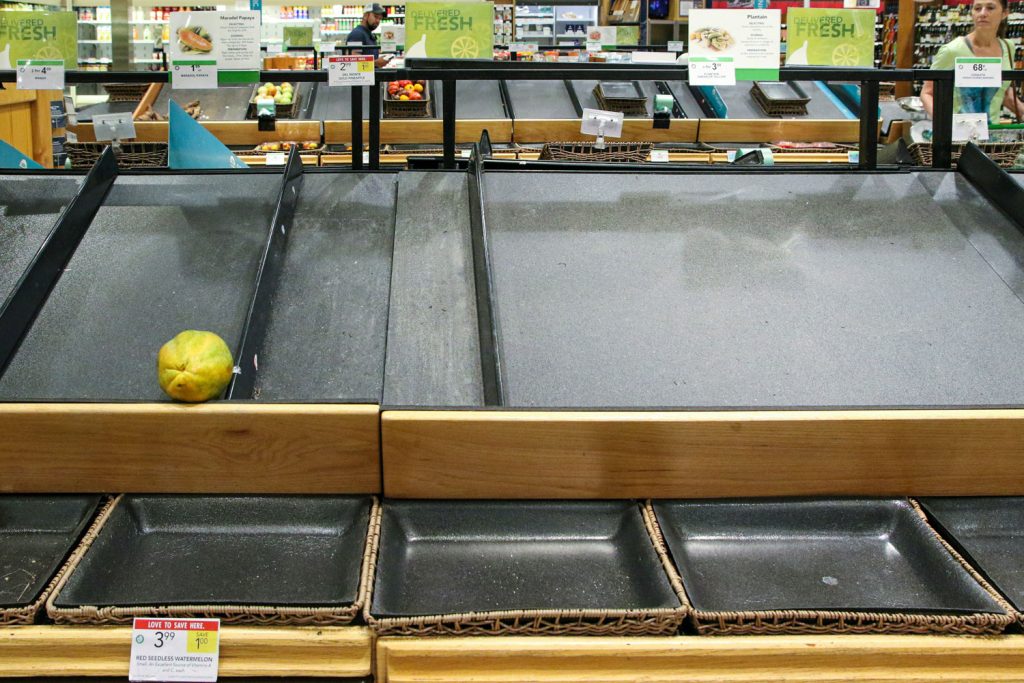
Empty shelves are more than missed sales—they signal unreliability. Customers quickly perceive a brand as inconsistent if they frequently find empty stock, even if the issue stems from in-store operations rather than the product itself. For instance, when a customer visits a store and finds an empty shelf where their preferred product should be, it can lead to immediate frustration and disappointment. A single out-of-stock item may frustrate a shopper, but repeated instances erode trust. When a customer encounters an empty shelf for their preferred product and finds it available at a competitor, they may choose to shop elsewhere in the future.
How Out-of-Stocks Affect Customer Loyalty
A single out-of-stock item may frustrate a shopper, but repeated instances erode trust. Shoppers will switch to competitors if your products are consistently unavailable, making shelf readiness a key driver of both customer loyalty and retail sales. Maintaining optimal shelf readiness is essential for high-performing retail merchandising and helps brands uphold consistent display standards while boosting overall retail sales performance.
How to Maintain Consistent Stock
- Monitor facing counts and stock levels regularly
- Schedule replenishment around peak traffic times
- Train staff to prioritise high-selling SKUs
Tips for Shelf Health
- Create a restocking checklist for each SKU
- Use colour-coded labels for fast identification of priority items
- Track replenishment trends to predict peak demand periods
Reliable shelf availability builds trust, reinforces your brand reputation, and encourages repeat purchases, which is the foundation of long-term retail success.
4. Ignoring Eye-Level Placement
Eye-level placement remains one of the most critical tactics in retail merchandising. Products positioned too high or too low get less attention, which can reduce conversion rates and overall sales. Strategic in-store merchandising placement, particularly prioritising eye-level positions, maximises visibility for hero SKUs and reinforces effective merchandising execution. For example, placing best-selling snacks or seasonal promotional items at eye level can significantly increase customer engagement and sales.
Why Eye-Level Placement Works
Shoppers scan horizontally in their line of sight first. Placing hero SKUs, new launches, and high-margin items at eye level increases engagement, encourages impulse purchases, and makes it easier for shoppers to locate priority products.
How to Optimise Product Placement
- Reserve eye-level space for high-value or high-demand SKUs
- Use shopper data to identify which products deserve premium placement
- Avoid putting slow-moving or niche items at prime eye-level positions
- Keep sightlines clear by removing clutter or obstructive signage
Tips for Strategic Placement
- Consider secondary eye-level zones for complementary items
- Adjust placement seasonally to feature promotional products
- Observe in-store traffic patterns to identify the most impactful shelf zones
Strategic placement is a simple, cost-effective way to enhance in-store merchandising without completely redesigning your display.
5. Weak or Outdated Signage
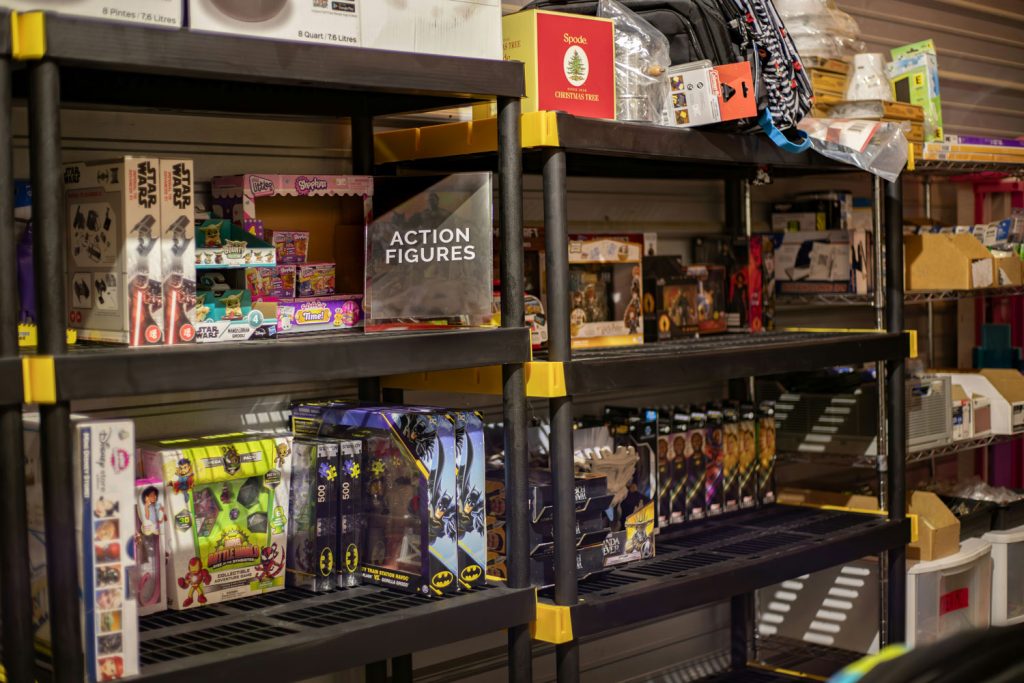
Signage is the silent salesperson of retail merchandising. Clear and legible signage is a cornerstone of strong in-store merchandising execution. Signage not only communicates product information but also guides customers through the store, making their shopping experience smoother and more enjoyable. Effective window displays and well-maintained windows attract customers, enhance store aesthetics, and increase overall store visibility. Regularly updating the window display to reflect seasonal themes and occasions is essential for maintaining customer interest and drawing in foot traffic. When signage is outdated, inconsistent, or poorly installed, it reduces shopper confidence and can result in lost sales. Signage is an integral part of retail merchandising strategy, complementing display standards, guiding shopper flow, and enhancing in-store merchandising execution.
How Signage Shapes Shopper Behaviour
Customers rely on signage to navigate the store and make informed decisions. Well-designed signage clarifies choices, communicates benefits, and can drive trial. Weak signage creates confusion, slows decision-making, and diminishes the impact of your in-store merchandising.
How to Improve Signage and Visual Communication
- Update promotional signage at the start of each new cycle
- Ensure messaging is concise, benefit-driven, and visually consistent
- Use navigational signage alongside point-of-sale messages for support
- Refresh window displays and lighting to attract more foot traffic
Tips for Eye-Catching Signage
- Use high-contrast colours to improve readability
- Incorporate seasonal or thematic elements to maintain interest
- Test messaging on small displays before rolling out chain-wide
Effective signage improves shopper confidence and maximises the visibility of your product displays.
6. Failing to Maintain Brand Consistency Across Locations
A customer’s experience with your brand should feel familiar, no matter which store they visit. When in-store execution varies widely, it erodes trust and makes your brand harder to recognise. Supplying stores with up-to-date reference images of displays, products, and décor helps ensure a consistent image across all locations, reinforcing brand standards and supporting merchandising execution.
Why Inconsistency Reduces Sales
Inconsistent merchandising diminishes brand recall and creates mixed signals about product quality and value. Customers may hesitate to purchase if they perceive the experience as unreliable. Consistency in visual merchandising across stores strengthens brand recognition and loyalty, which are key metrics in evaluating retail merchandising success and overall retail sales performance.
How to Maintain Consistency
- Provide standardised planograms with clear instructions
- Supply stores with up-to-date reference images
- Conduct regular compliance checks across all locations
- Use trained field merchandising teams to maintain uniform execution
Tips for Consistency
- Schedule seasonal audits to confirm adherence to brand standards
- Use digital tools to share planograms and updates across stores
- Implement a scoring system for store compliance and visual execution
Consistency in retail merchandising reinforces brand reliability and supports long-term customer loyalty.

7. Overlooking Cross-Merchandising Opportunities
Cross-merchandising is an effective way to increase average basket size, but many retailers miss simple opportunities to pair complementary products. The right combination of products, when highlighted together, can enhance the shopping experience and encourage customers to purchase more items. Cross-merchandising is a smart retail merchandising tactic that enhances product visibility, supports merchandising execution, and drives incremental retail sales.
Why Cross-Merchandising Works
Shoppers often discover the need for a second item only when it’s displayed alongside the first. Thoughtful product pairing encourages impulse purchases, improves the shopping experience, and optimises retail space.
How to Implement Cross-Merchandising
- Pair products that solve a complete customer need
- Add simple signage to explain product combinations
- Rotate pairings seasonally to maintain engagement
- Ensure adjacency makes sense for customer flow
Tips for Smart Product Pairing
- Use bundles to highlight seasonal or promotional products
- Highlight combinations with point-of-sale information
- Position cross-merchandise near high-traffic zones for maximum visibility
Cross-merchandising is a strategic tactic to boost conversion and provide a better in-store journey for shoppers.
8. Neglecting Human Engagement
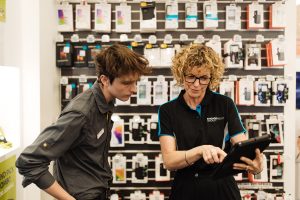
Even the best visual merchandising requires human interaction. Brand ambassadors bridge the gap between curiosity and purchase, providing product knowledge, answering questions, and encouraging trial. Well-trained staff can also guide customers through the store in line with the brand’s visual merchandising strategy. Their ability to effectively answer questions not only improves the customer experience, but excellent customer service is crucial for building trust and driving sales by ensuring shoppers feel informed and confident in their choices. Integrating brand ambassadors into your retail merchandising strategy ensures human engagement is fully aligned with display standards, enhancing the shopper experience and positively impacting retail sales.
How Human Interaction Drives Sales
Customers trust informed staff and personal recommendations. Human engagement reinforces visual merchandising, builds confidence, and increases both immediate sales and long-term loyalty.
How to Maximise Ambassador Impact
- Place ambassadors near high-value displays and promotional areas
- Focus conversations on product benefits rather than just features
- Use feedback from ambassadors to refine displays and promotional tactics
- Coordinate ambassador activity with seasonal and campaign plans
Tips for Effective Human Engagement
- Train ambassadors to read shopper cues for timely interaction
- Rotate ambassador locations based on store traffic patterns
- Encourage ambassadors to share insights on shopper behaviour
Incorporating brand ambassadors into your in-store execution enhances both shopper experience and overall merchandising effectiveness.
The Hidden Cost of Small Mistakes
Small mistakes in merchandising—misplaced tickets, untidy shelves, or minor stock gaps—can quickly accumulate and cost real sales. Even minor oversights affect conversion, impact brand perception, and reduce retail performance. Addressing these small mistakes can make a significant difference in overall retail success. Brands that grow year after year treat merchandising as a core discipline, investing in clean displays, consistent execution, strong visual storytelling, and meaningful customer engagement.
Final Thoughts
Strong retail merchandising is more than products on shelves. Merchandising strategies are essential for every retail store and retail stores of all sizes to drive sales and support business growth, helping retailers sell more products to their customers. Creating engaging environments and using the right hardware and fixtures can attract customers and boost sales. Regularly introducing new items is important to attract new customers and increase sales. Understanding your target audience and local market is key to developing effective merchandising strategies. Optimising the checkout area can drive sales and encourage impulse purchases. Providing easy access to a wide range of products enhances the customer experience. The effectiveness of merchandising strategies should be measured to ensure they deliver the desired results, using specific metrics to measure the impact of visual merchandising and signage. Strong merchandising capability supports overall business growth and brand image. The future of retail merchandising will be shaped by evolving customer expectations, technology, and global trends in the world of retail.
At Engagement Group, we provide nationwide merchandising services designed to eliminate the common mistakes that limit growth. Our team ensures consistent display standards, correct in-store execution, accurate ticketing, and meaningful human engagement. By combining technology, local expertise, and brand ambassador support, we help businesses strengthen every touchpoint in the customer journey. Strong retail merchandising, combined with expert in-store execution and brand ambassador integration, delivers measurable retail sales growth, improves shopper experience, and strengthens long-term brand loyalty.
If you want to prevent merchandising mistakes, enhance in-store execution, and create a stronger, more engaging retail experience, contact our team today to get started.
About the Author