Retail Growth Isn’t About More Stores, It’s About Better Execution

Rod Smith
Managing Director, Engagement Group
March 5, 2026
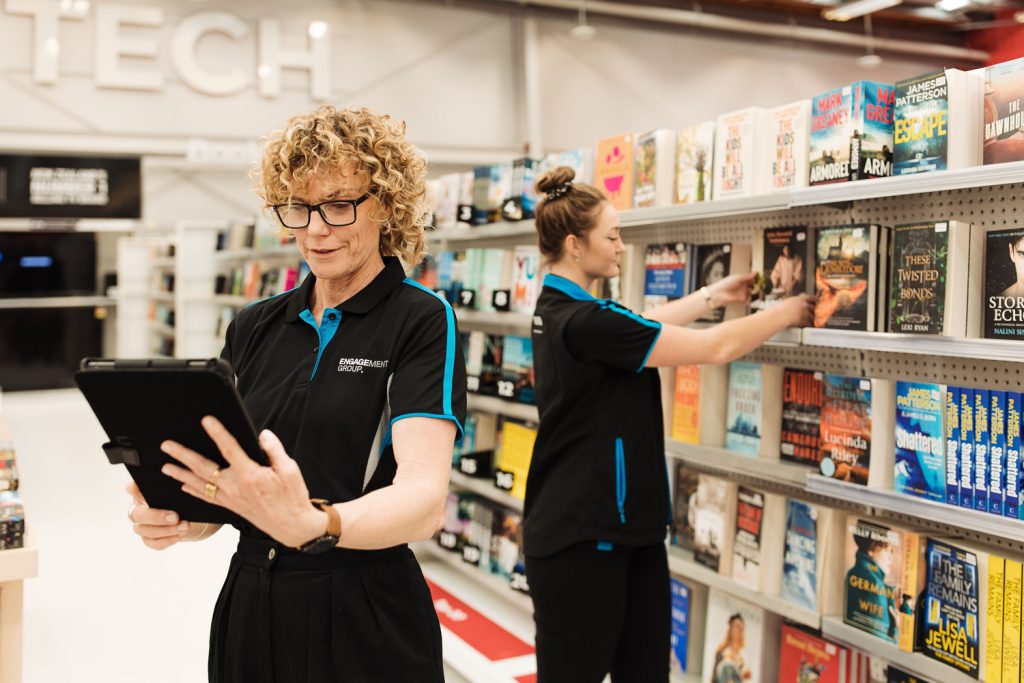
When brands think about retail growth, the first instinct is often expansion. More stores. More listings. More distribution. But in most cases, the biggest growth opportunity is not new stores. It is improving execution in the stores you already have.
Effective retail growth relies on well-planned strategies focused on execution, ensuring that every store operates at its best rather than simply increasing the number of locations.
We see this every day, working with brands across New Zealand. Brands that focus on in-store execution consistently outperform those focused purely on expansion.
Retail growth is driven by performance, not just presence.
More Stores Do Not Automatically Mean More Sales
Expanding distribution increases potential reach, but it does not guarantee results. Many retailers face significant challenges when expanding without first addressing execution issues.
If execution is weak in existing stores, expanding simply multiplies the problem.
Common issues include:
- Poor shelf availability
- Inconsistent merchandising
- Weak display execution
- Limited shopper visibility
Adding more stores without fixing execution reduces overall efficiency and return on investment.
Improving performance in existing stores often delivers faster and more profitable growth.
Better Execution Increases Sales Without Increasing Distribution
Small improvements in execution can deliver significant gains.
When products are:
- Always on the shelf
- Positioned correctly
- Supported by displays
- Priced accurately
These actions help increase sales by ensuring customers can find and purchase products easily.
Even modest improvements in availability and visibility can deliver meaningful sales uplift across a store network.
This improves run-rate performance and strengthens retailer relationships.
The First 13 Weeks Set the Foundation for Long-Term Growth
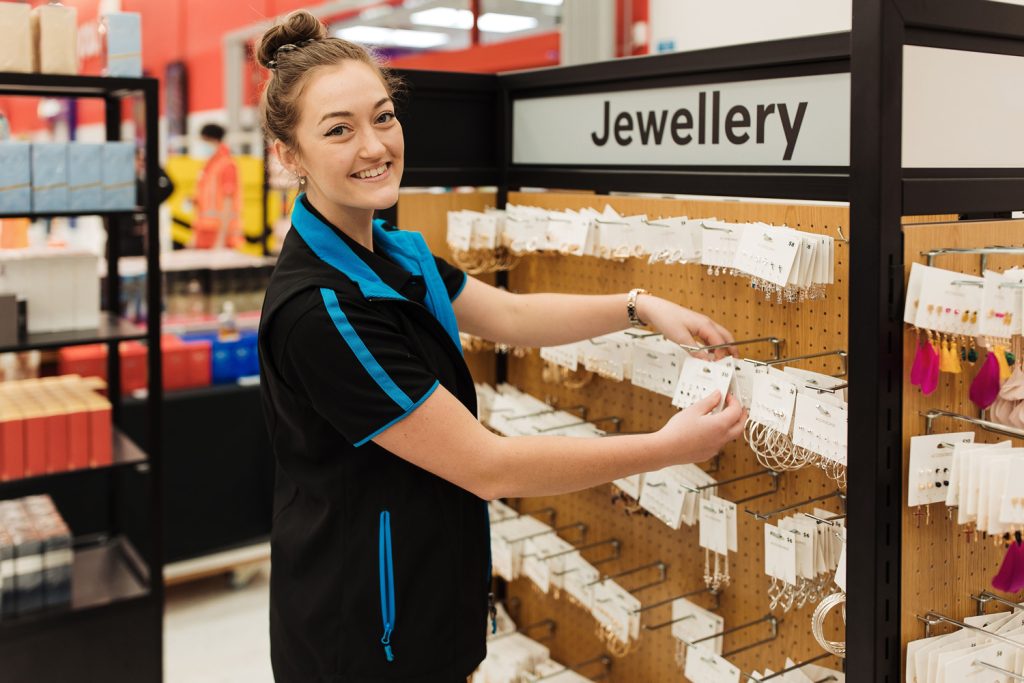
Execution is especially important during the first 13 weeks after launch.
This period determines whether products build momentum.
Strong early execution ensures:
- Consistent shelf presence
- Effective support for promotions and promotional activities
- Accurate pricing
- Full displays
This establishes strong run rates that support long-term growth.
Poor execution during this phase limits future potential, regardless of how many stores a product is ranged in.
Field Merchandising Is a Growth Multiplier
Field merchandising plays a critical role in retail sales optimisation.
Merchandisers ensure products are presented as intended and remain shop-ready.
This includes:
- Replenishing stock
- Maintaining displays
- Fixing pricing issues
- Protecting shelf space
These actions directly influence sales performance.
Without field support, execution standards gradually decline.
Professional merchandising services can support field teams by providing expert assistance in organising, displaying, and replenishing products, helping to maintain consistently high execution standards.
Display Activity Only Works When It Is Maintained
Store displays are one of the most powerful tools for driving retail growth.
But displays only work when properly supported.
High-performing brands ensure:
- Increased merchandising frequency during display periods
- Sufficient stock is allocated to support uplift
- Displays are replenished regularly
It is essential to keep store displays fully stocked to maximise their effectiveness and ensure products are always available to customers.
This ensures displays remain full and effective.
Empty displays do not drive growth. They limit it.
Execution Builds Retailer Confidence
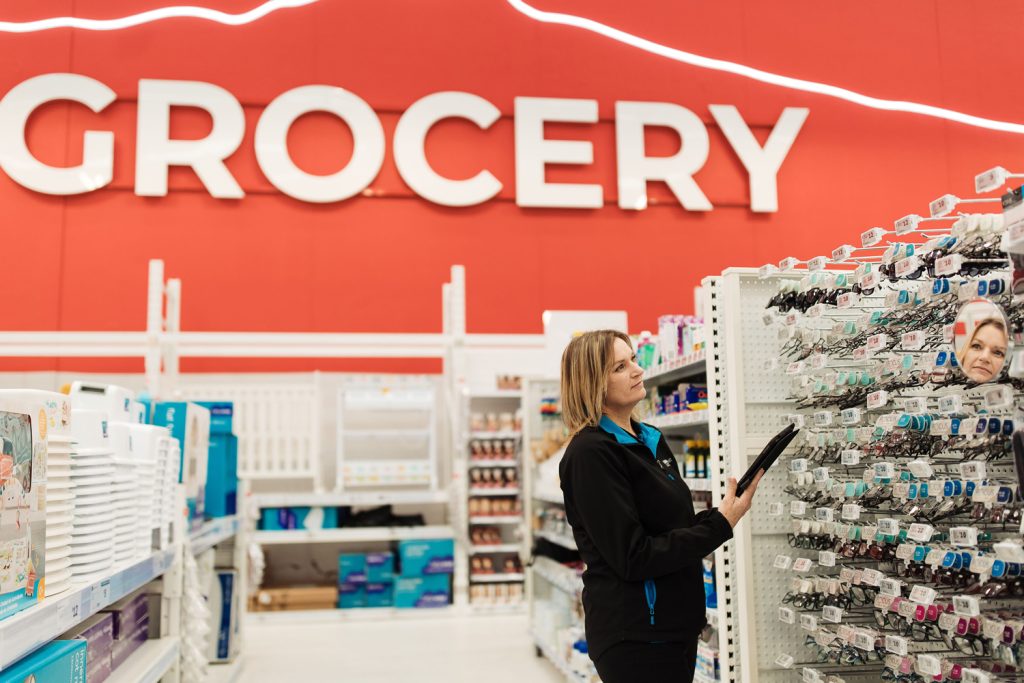
Retailers support brands that perform well.
Strong execution signals professionalism and reliability. Effective retail merchandising execution not only drives sales but also strengthens a brand’s reputation with retailers, making them more likely to trust and support the brand.
This leads to:
- Better shelf positioning
- More display opportunities
- Support for future launches
Retailers want products that sell.
Execution drives sales.
Sales drive growth.
Consistency Drives Long-Term Retail Performance
Retail growth is not created through one-off activity.
It is built through consistent execution over time.
This includes:
- Maintaining shelf standards
- Supporting promotional activity
- Monitoring store-level performance
- Ensuring planogram compliance
Consistency protects and grows sales.
The Role of Supply Chain and Logistics in Execution
A well-orchestrated supply chain is the backbone of effective in-store execution for retail stores and grocery stores. Ensuring that products arrive at the right retail outlets, in the right quantities, and at the right time is essential for maximising retail sales and delivering a seamless customer experience.
A national business manager plays a pivotal role in overseeing supply chain and logistics operations, making sure that every store—whether in the North Island or South Island—receives the stock it needs to stay fully merchandised and ready for customers. This is especially important in New Zealand, where geographic diversity can present unique logistical challenges for supermarkets and other retail businesses.
Customer Experience: The Ultimate Test of Execution
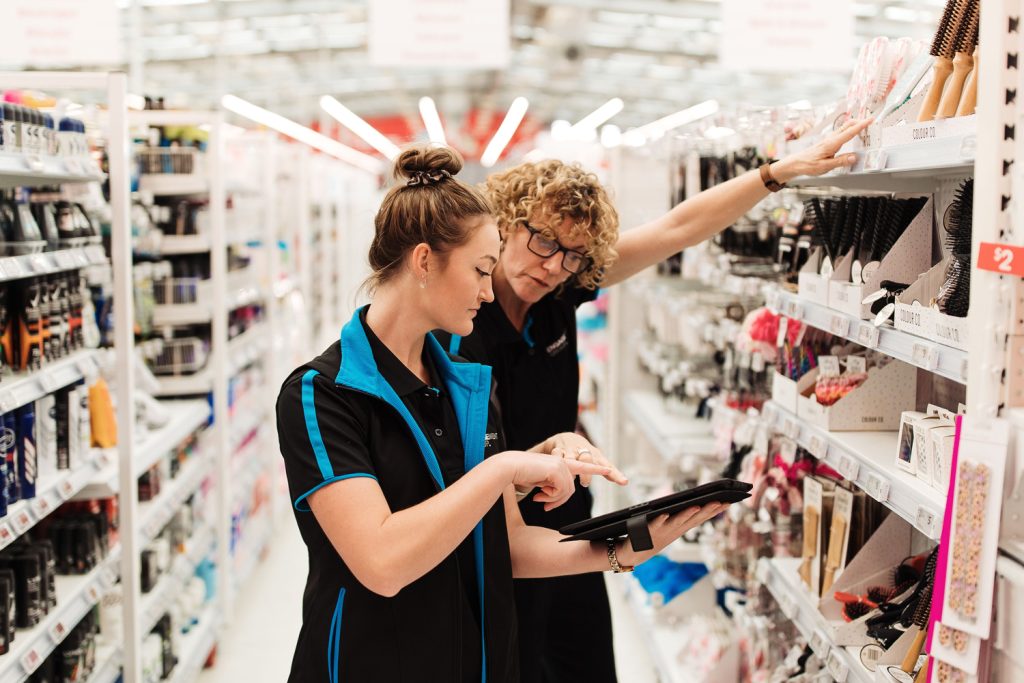
Customer experience is where all elements of retail execution come together—and where success is truly measured. In today’s retail industry, delivering a memorable in-store experience is essential for building loyalty and driving long-term growth.
Expansion Works Best After Execution Is Optimised
The most successful brands follow a clear sequence:
First, optimise execution. Then expand the distribution.
This ensures new listings perform strongly from day one.
Expansion becomes a growth accelerator, not a risk.
By optimising execution before expansion, brands can maximise revenue from both new and existing stores.
Final Thoughts
Retail growth is not about being in more stores.
It is about performing better in the stores you already have.
Brands that prioritise execution see stronger sales, better retailer relationships, and more sustainable growth.
If you want to unlock more growth from your existing retail network, our team can help you improve execution where it matters most.
Make informed decisions about your retail merchandising and execution to achieve better results.
About the Author