From Listing to Brand Loyalty: What Actually Drives Repeat Sales In-Store

Rod Smith
Managing Director, Engagement Group
March 25, 2026
Getting a product onto the shelf is one thing. Getting it into a shopper’s routine is something else entirely.
In retail, the first purchase is important. But long-term success is built on repeat purchases. That is where brand loyalty is formed, and where sustainable growth comes from.
Effective merchandising is not just about enhancing the customer experience; it is also a strategic component that drives overall business growth and provides a competitive advantage.
At Engagement Group, working with brands across New Zealand, we see a clear difference between products that are trialled once and those that become part of a shopper’s regular shop.
The difference is rarely just the product itself. It is how consistently that product shows up in-store.
Brand loyalty is a strategic asset that drives sustainable growth and provides a competitive advantage in crowded markets.
Brand Loyalty Is Built In-Store, Not Just Through Marketing
While marketing efforts are important, brand loyalty in retail is heavily influenced by the in-store experience.
Shoppers do not just remember what they bought. They remember:
- How easy it was to find
- How it was presented
- Whether it felt reliable and consistent
- Whether they felt confident choosing it again
Loyalty differs from transactional loyalty, as it is based on trust, perceived quality, and emotional connection rather than discounts.
If that experience changes from one visit to the next, loyalty is weakened.
Consistency builds trust. Trust drives repeat sales.
The First Purchase Sets the Expectation
The first time a shopper buys your product, they form an expectation.
The first purchase is a key stage in the purchase funnel, and understanding the customer journey helps retailers optimise each touchpoint.
That expectation is not just about the product itself. It includes:
- Where they found it
- How it was displayed
- What price they paid
- How easy the decision felt
Understanding the customer journey is fundamental to effective store merchandising, as it helps retailers identify key touchpoints in the purchase funnel.
If the next time they visit the store, the product is harder to find, out of stock, or presented differently, that friction interrupts the path to repeat purchase.
Strong in-store merchandising ensures the experience is consistent every time.
Consistency Is the Foundation of Repeat Sales
Consistency is one of the most important drivers of brand loyalty in retail.
When a product is:
- Always in the same place
- Always available
- Always clearly priced
- Always well presented
Shoppers build confidence in choosing it again.
Avoiding empty shelves and ensuring shelves are fully stocked is essential for maintaining consistency and customer confidence.
Inconsistent execution does the opposite. Effective replenishment ensures that products are consistently available and shelves are fully stocked to meet customer demand.
Even small disruptions, such as a missing shelf ticket or reduced facings, create hesitation. Over time, this leads shoppers to switch to more reliable alternatives.
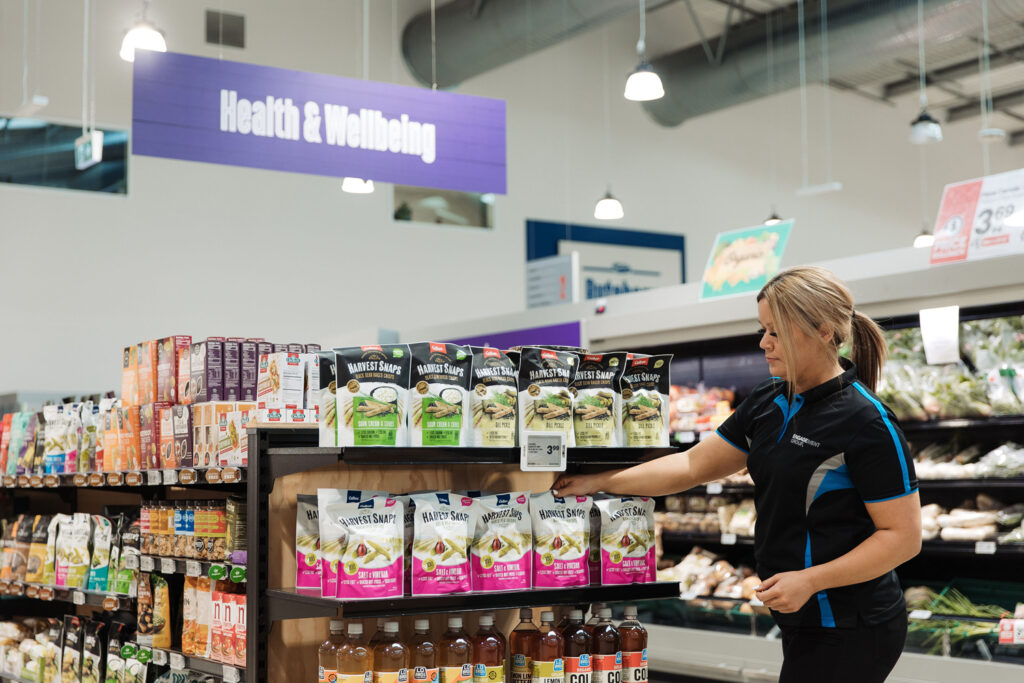
Visibility Drives Familiarity
Repeat purchase behaviour is closely linked to familiarity.
The more often a shopper sees a product, the more likely they are to choose it again.
In-store merchandising plays a critical role in reinforcing that visibility through:
- Consistent shelf placement
- Strong planogram execution
- Secondary displays
- Promotional support
These merchandising strategies are specifically designed to maximise sales and drive retail sales by creating engaging shopping environments and effective product displays.
When visibility drops, so does mental availability.
Out of sight quickly becomes out of mind.
The ultimate goal of merchandising is to increase sales while enhancing the customer experience.
Presentation Influences Perceived Quality
Product presentation is a key factor in shopper decision-making, as shoppers use visual cues to make quick decisions.
A well-presented product signals:
- Quality
- Reliability
- Brand credibility
A poorly maintained shelf or display signals the opposite.
Even if the product itself has not changed, inconsistent presentation can reduce perceived value and discourage repeat purchase.
Maintaining high display standards is not just about aesthetics. It directly impacts how the brand is perceived over time.
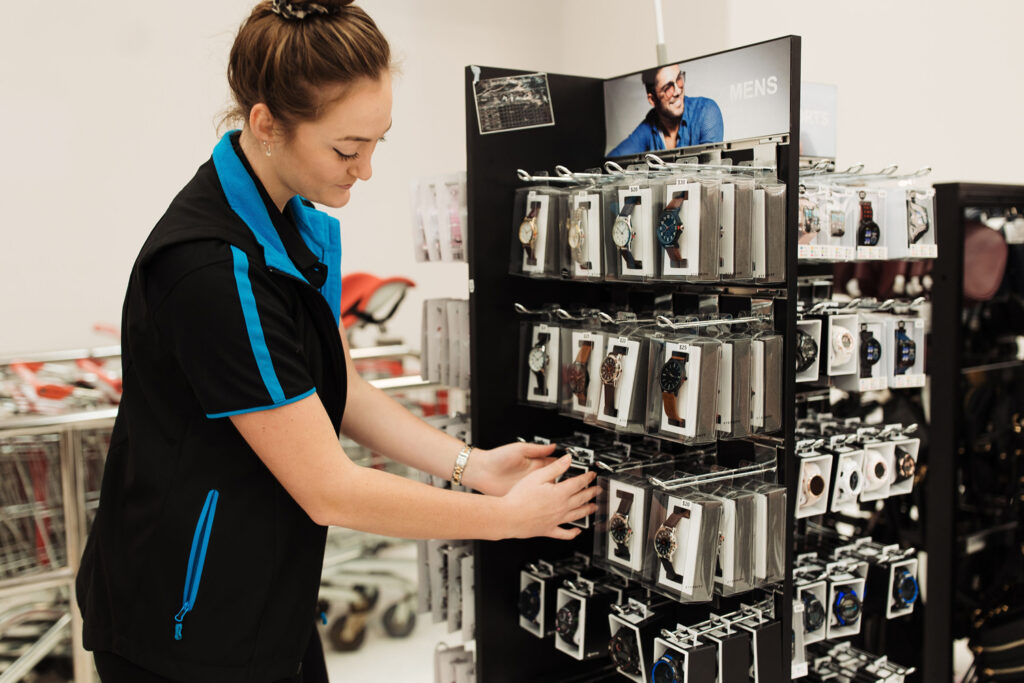
Attention to detail in retail merchandising, such as clean shelves and aligned signage, enhances the overall shopper experience.
Creating a Merchandising Plan
A successful merchandising plan is the backbone of any thriving retail store. It’s not just about filling shelves—it’s about creating a visually appealing shopping environment that guides customers through a thoughtfully designed store layout. By leveraging customer insights and analysing market trends, retailers can develop a merchandising strategy that aligns with customer demand and maximises sales.
Effective in-store merchandising blends technical expertise with creativity and attention to detail. This means carefully planning product placement, optimising inventory management, and ensuring that every display is both attractive and functional. Key elements of a strong merchandising plan include regular inventory checks, data-driven customer demand analysis, and well-timed promotional campaigns that keep the store fresh and engaging.
Retailers who use data analytics and customer feedback to refine their merchandising strategy can stay ahead of online competitors and deliver a superior in-store experience. By focusing on these fundamentals, retailers not only increase sales and customer satisfaction but also build brand loyalty and establish a strong presence in the market. A well-executed merchandising plan is essential for driving sales, enhancing the customer experience, and ensuring long-term success in today’s competitive retail landscape.
Shopper Engagement Accelerates Loyalty
While visibility and consistency are critical, human interaction can take loyalty to another level.
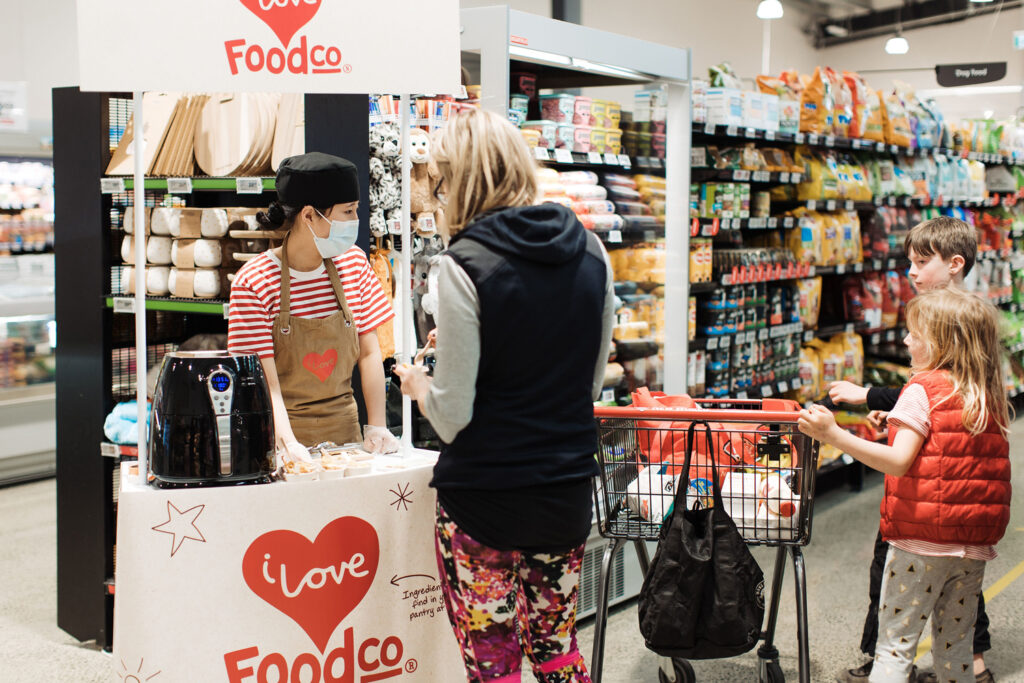
Shopper engagement, particularly through brand ambassador services, helps bridge the gap between trial and repeat purchase.
Brand ambassadors support this by:
- Reinforcing product benefits
- Answering questions
- Creating positive brand interactions
- Encouraging confidence in the purchase decision
This is especially important for newer products or categories where shoppers may need reassurance.
A positive first interaction increases the likelihood of repeat purchase.
The Role of Brand Ambassadors in Building Trust
Brand ambassadors do more than drive immediate sales.
They help build trust.
In-store, trust is built through:
- Clear communication
- Product knowledge
- Friendly, confident interaction
These moments create a stronger emotional connection with the brand.
When combined with consistent in-store merchandising, this creates a powerful foundation for long-term brand loyalty.
Availability Is Non-Negotiable
No matter how strong the brand or how effective the engagement, repeat sales cannot happen without availability.
If a shopper returns to buy a product and it is not on the shelf, the opportunity is lost.
Worse, it introduces doubt.
Reliable stock availability is one of the most important drivers of repeat purchase behaviour. It signals that the brand is dependable. Maintaining stock on the sales floor is crucial for meeting customer expectations.
This requires ongoing attention to:
- Replenishment
- Stock flow
- Shelf maintenance
Effective product placement directly affects visibility, engagement, and conversion rates in retail stores.
Without it, loyalty is difficult to sustain.
In-Store Promotions and Events
In-store promotions and events are powerful tools for driving sales and creating a memorable customer experience in any brick-and-mortar store. Eye-catching displays, creative signage, and engaging window displays are essential for capturing shopper interest and encouraging customers to spend money in-store.
Promotional campaigns—such as limited-time discounts, product bundles, and loyalty rewards—can incentivise purchases and boost sales. Hosting special events like product launches, fashion shows, or interactive demonstrations creates excitement and draws new customers into the store. These events not only generate buzz but also foster a sense of community and connection with the brand.
Retailers can amplify the impact of in-store promotions by leveraging social media and email marketing to promote upcoming events and drive foot traffic. By consistently offering engaging promotions and events, retailers create a dynamic shopping environment that keeps customers coming back, strengthens relationships, and sets their store apart from the competition.
Retail Merchandising: The Consistency Challenge
Across retail merchandising in New Zealand, one of the biggest challenges is maintaining consistency across multiple stores and regions.
Managing consistency across multiple retail locations requires standardised store fixtures and processes. Store fixtures play a key role in creating consistency across retail locations by ensuring uniform store layouts and visual appeal.
Execution can vary significantly from store to store without structured support.
This inconsistency affects:
- Shopper experience
- Brand perception
- Sales performance
Brands that invest in professional merchandising services create a more uniform experience, which strengthens brand recognition and repeat purchase behaviour.
Customer Insights and Feedback
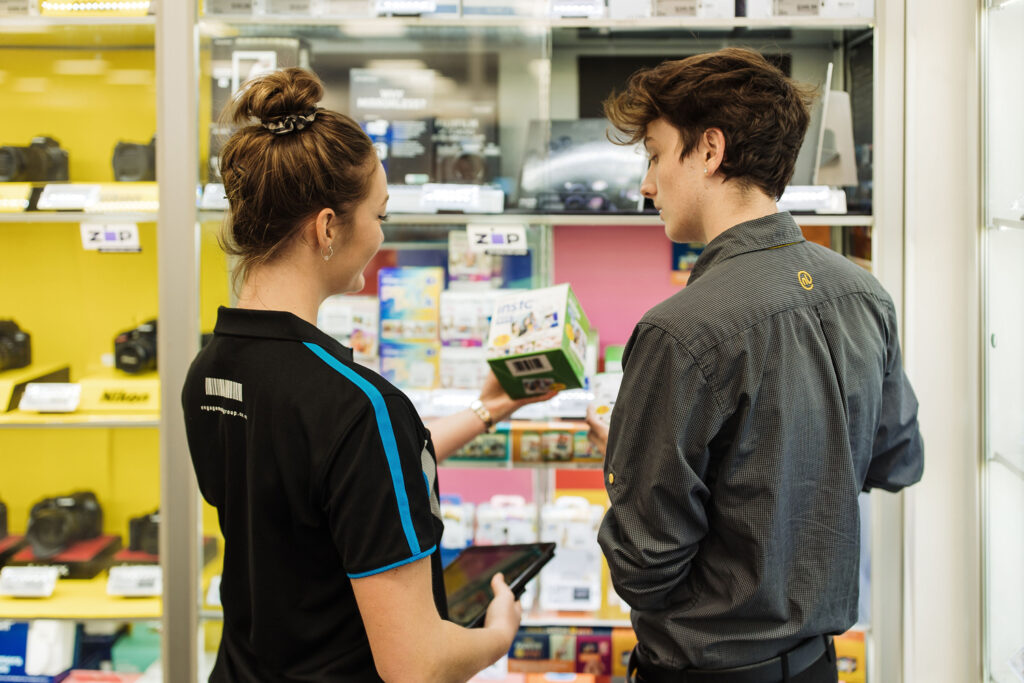
Understanding your customers is at the heart of an effective merchandising strategy. By gathering customer insights through data analytics, surveys, focus groups, and social media, retailers can gain a clear picture of purchasing decisions, preferences, and shopping behaviours.
This valuable feedback allows retailers to refine their merchandising plan, optimise product displays, and create a more personalised and effective merchandising approach. Listening to customer feedback helps identify what’s working and where improvements are needed, ensuring that the store environment meets—and exceeds—customer expectations.
By incorporating customer insights into every aspect of store merchandising, retailers can build trust, drive higher sales, and deliver a shopping experience that keeps customers coming back. Effective merchandising is not just about what’s on the shelves, but how well those displays reflect the needs and desires of the people who shop there.
Loyalty Is Built Over Time, Not in One Campaign
Promotions and campaigns can drive trial.
But loyalty is built through repetition.
Every store visit is an opportunity to reinforce the brand.
Focusing on the customer journey is essential for building lasting loyalty. By mapping and optimising each touchpoint—both online and in-store—retailers can build stronger relationships, as a seamless in-store experience encourages repeat visits and positive word-of-mouth.
This requires:
- Consistent execution
- Ongoing maintenance
- Strong in-store presence
- Continuous shopper engagement
Brands that treat merchandising as an ongoing process, not a one-off activity, are the ones that build lasting loyalty.
Customer Loyalty Programs
Customer loyalty programs are a proven way to reward loyal customers and encourage repeat purchases in a retail store. By offering exclusive discounts, special rewards, and personalised benefits, retailers can create a sense of appreciation that keeps customers coming back.
A well-designed loyalty program not only drives sales and increases customer retention but also helps build brand loyalty over time. Retailers can use data analytics to track purchasing behaviour, tailor rewards, and ensure that loyal customers feel recognised and valued.
Loyalty programs also provide an opportunity to collect valuable customer data and feedback, which can be used to further refine the merchandising strategy and enhance the overall shopping experience. By implementing a customer loyalty program, retailers can foster long-term relationships, boost repeat purchases, and create a community of brand advocates who help drive sustained growth and success.
From Trial to Habit
The ultimate goal of in-store execution is to move a shopper from:
- Awareness
- To trial
- To repeat purchase
- To habit
Guiding customers through the shopper journey is key to building these habits.
This progression is not automatic.
It is supported by:
- Visibility
- Consistency
- Availability
- Engagement
Customer engagement is a cornerstone of successful store merchandising, turning casual shoppers into loyal customers.
When all of these elements work together, products become part of a shopper’s routine.
Final Thoughts
Retail success is not just about getting products onto shelves.
It is about keeping them there and turning first-time buyers into repeat customers.
Brand loyalty is built through consistent in-store merchandising, strong presentation, and meaningful shopper engagement.
At Engagement Group, we help brands create in-store experiences that not only drive initial sales but also build long-term loyalty and preference.
If you want to strengthen repeat purchase behaviour and build lasting brand loyalty in-store, you can contact our team here:
https://engagementgroup.co.nz/contact/
About the Author