How Retail Product Displays Influence Shopper Behaviour

Rod Smith
Managing Director, Engagement Group
August 25, 2025
In this guide, we explain the science of retail product displays, including how shelf position, display design, stock presentation, product adjacencies and shopper engagement influence buying decisions, as well as how brands can measure and improve their in-store performance.
Engagement Group helps FMCG brands improve product availability, visibility and execution across New Zealand retailers. In this guide, we explain the science of retail product displays, including how shelf position, display design, stock presentation, product adjacencies and shopper engagement influence buying decisions, as well as how brands can measure and improve their in-store performance.
Key takeaways
- Effective retail product displays help shoppers notice, understand and feel confident choosing a product.
- Availability and consistent execution are just as important as creative display design.
- The best display strategy depends on the product, category, retailer and commercial objective.
- FMCG brands should measure sales performance alongside availability, compliance, pricing and display condition.
- Ongoing store-level reporting helps brands identify and correct execution problems before they undermine a campaign.
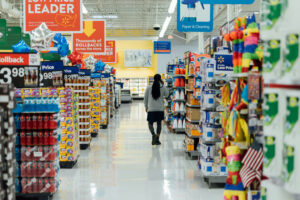
Walk through any New Zealand supermarket, pharmacy or big-box retailer and thousands of products are competing for attention.
Some products are easy to find and understand. Others disappear into the shelf, even when they have strong packaging, retailer distribution and significant marketing investment behind them.
That difference is rarely accidental.
Retail product displays influence buying decisions by attracting attention, simplifying choices and giving shoppers confidence to act. Shelf position, stock availability, signage, pricing and neighbouring products can all affect whether someone notices, considers and ultimately buys a product.
For FMCG brands, this means the final few metres of the customer journey matter. A strong media campaign may create demand, but the product still needs to be available, visible and correctly presented when the shopper reaches the shelf.
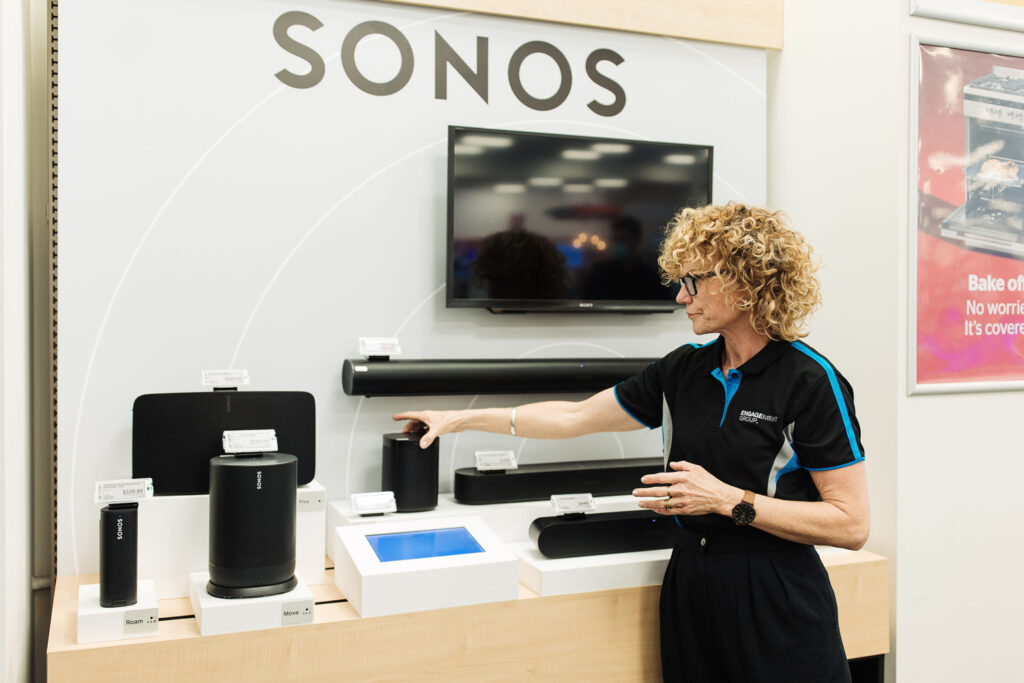
How do retail product displays influence buying decisions?
Shoppers do not carefully assess every available product. They use visual shortcuts to move through a busy retail environment and make decisions efficiently.
An effective display supports three stages of that decision.
1. Attention: Will the shopper notice the product?
Contrast, shelf position, packaging, signage and physical availability determine whether a product enters the shopper’s consideration set.
A product that is hidden, out of stock or poorly faced may be overlooked regardless of the strength of the brand or promotion.
2. Understanding: Can the shopper identify its value quickly?
Once a product has attracted attention, the shopper needs to understand what it is, who it is for and why it is relevant.
Clear packaging, simple promotional messages, accurate pricing and logical product groupings reduce the effort required to make that assessment.
3. Confidence: Is there a reason to choose it?
A full, tidy and professionally presented display can reinforce trust. Clear pricing reduces uncertainty, while sampling or product demonstrations can answer questions that packaging alone cannot.
The easier the decision feels, the more likely the shopper is to take the next step.
Research published in the Journal of Retailing found that different display locations influence category purchase and brand choice differently. It also found that the effect can change according to a display’s proximity to the relevant category and whether price support is present.
This reinforces an important point: there is no universally successful display position. Placement needs to match the product, category and campaign objective.
Seven retail display techniques that can improve FMCG performance
1. Protect on-shelf availability
Before considering colour, signage or creative concepts, make sure the product is available to buy.
An empty shelf position cannot convert demand. Products may also be technically present in a store but unavailable to shoppers because stock is in the storeroom, placed in the wrong location or not replenished into a promotional display.
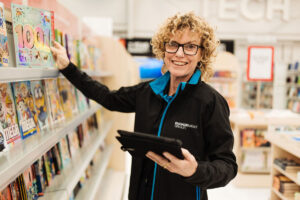
Regular store visits can identify:
- Out-of-stocks
- Low stock weight
- Stock sitting in back rooms
- Missing promotional inventory
- Incorrect or missing shelf tickets
- Damaged products
- Products in the wrong shelf position
- Displays that have been removed or allowed to run empty
For FMCG brands, availability should be treated as part of marketing performance, not simply as an operational measure.
2. Use shelf position strategically
“Eye level is buy level” is a useful principle, but shelf height is only one part of effective placement.
Brands should also consider:
- The direction from which shoppers approach the category
- Natural traffic flow through the store
- Visibility from the main aisle
- Proximity to category leaders
- Ease of reaching and picking up the product
- The number and consistency of facings
- Secondary locations outside the normal category
- Whether the position suits the intended shopper
A family product, for example, may benefit from a different height and message from a premium adult product. A new launch may require additional visibility because shoppers do not yet know to look for it.
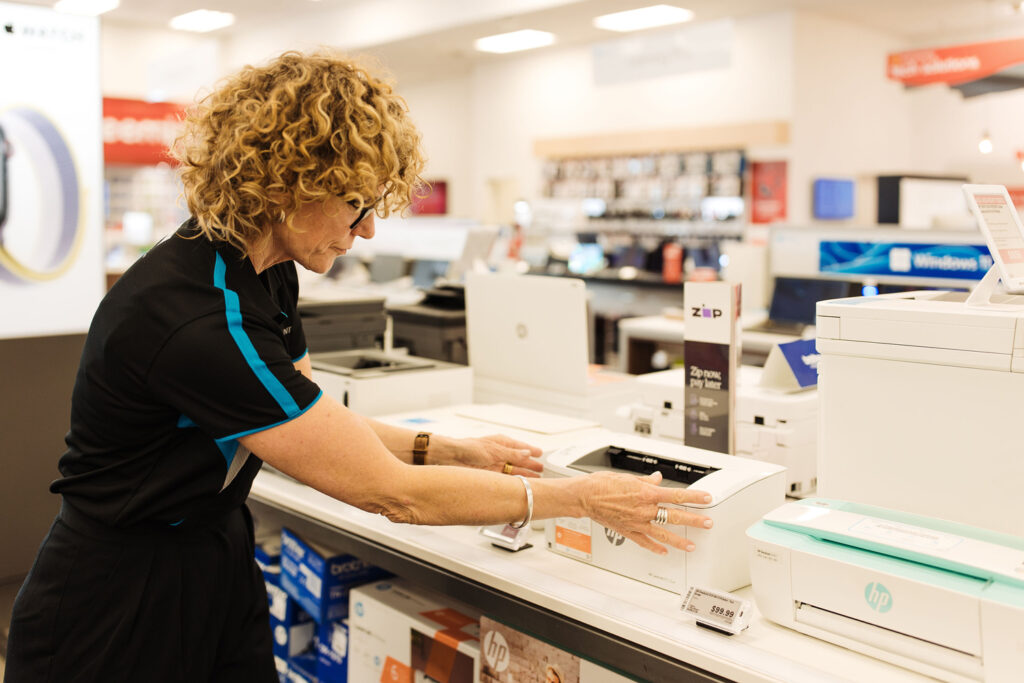
Retailer-approved end caps, off-location displays and promotional spaces can give a product greater prominence, but placement alone is not enough. These spaces still need correct pricing, sufficient stock and ongoing maintenance.
For a deeper explanation of shelf layouts, see Planograms Explained: Why Product Placement Influences Buying Decisions.
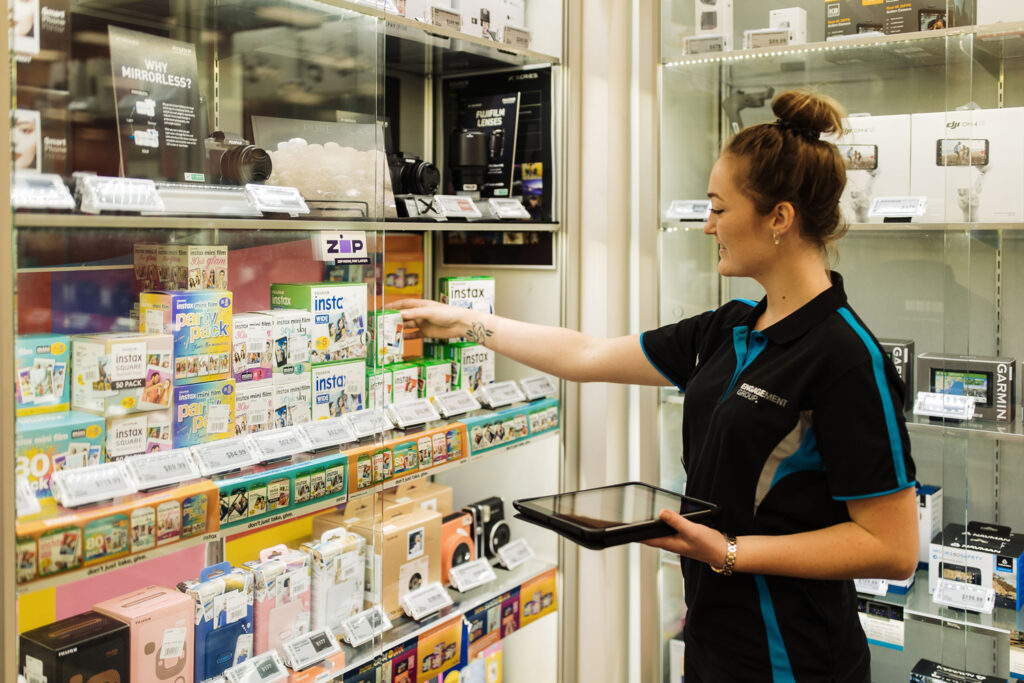
3. Create a clear visual hierarchy
A strong display should communicate its main message without making the shopper work for it.
The eye needs a clear sequence:
- Brand or product
- Primary benefit or occasion
- Price or promotional offer
- Next action
Trying to communicate too many benefits at once can make a display harder to understand. For fast-moving categories, one strong message will often outperform several competing claims.
Check whether the most important information remains visible when:
- The display is viewed from several metres away
- Products have been removed
- A shopper approaches from an angle
- Other promotional material is placed nearby
- The display is partly depleted
- Retail lighting or shelf edges obscure the message
A display must work in a real store, not only in a presentation or design mock-up.
4. Use colour and contrast with purpose
Colour can help a product stand out, support brand recognition and communicate the character of an offer. Its effect, however, depends on context.
Rather than relying on universal claims such as “red creates urgency” or “blue creates trust”, consider:
- Existing brand and packaging colours
- Competitor packaging in the same category
- The retailer’s promotional environment
- Contrast between the product and the shelf
- Legibility of text and pricing
- The intended shopping occasion
- Cultural and category expectations
Colour blocking, which involves grouping several products or facings into a recognisable block, can increase visual presence. However, it will only work when the correct range and stock weight are maintained.
The most reliable approach is to test creative choices in-store and compare the results rather than assuming a colour will produce the same response in every environment.
5. Place complementary products together
Cross-merchandising positions products according to how shoppers use them, rather than only according to their formal category.
Examples include:
- Crackers near cheese or dips
- Sauces beside meal ingredients
- Batteries near compatible devices
- Sunscreen with seasonal outdoor products
- Premium mixers alongside relevant beverages
- Cleaning accessories beside household products
This can remind shoppers of an additional need, make a usage occasion easier to imagine and increase basket size.
The relationship must be immediately understandable. A secondary placement that lacks relevance may gain exposure without generating meaningful sales.
Brands should also confirm retailer approval, product availability and responsibility for maintaining the additional location.
6. Add sensory engagement when the product needs explanation or trial
Some FMCG products can communicate their value through packaging alone. Others become more compelling once a shopper can taste, smell, touch or see the product being used.
Sampling and demonstrations can be especially useful when:
- Launching an unfamiliar product
- Introducing a new flavour or format
- Asking shoppers to switch from an established brand
- Selling a premium product that requires justification
- Explaining preparation or usage
- Addressing common questions or objections
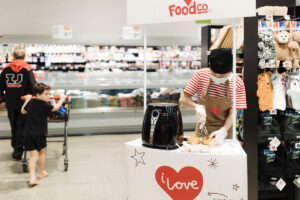
A trained brand ambassador can turn a passive display into a conversation. They can explain the product, demonstrate its use and gather direct shopper feedback.
The activity should be designed around a measurable goal. Engagement numbers may be useful, but brands should also consider samples distributed, conversion, sales during the activity, shopper feedback and repeat performance.
Learn more about Engagement Group’s in-store brand ambassador services.
7. Maintain, measure and improve the display
A display is not complete when it is installed.
Products sell through. Shelf tickets disappear. Stock moves. Displays become damaged, depleted or displaced. Store conditions can change significantly over the life of a campaign.
Ongoing execution should include:
- Replenishing stock
- Maintaining agreed facings
- Checking pricing and promotional tickets
- Rotating dated products
- Confirming display compliance
- Photographing store conditions
- Reporting supply or packaging problems
- Recording competitor activity
- Correcting issues where possible
- Escalating issues requiring brand or retailer action
This creates a feedback loop between the original campaign plan and what is actually happening in stores.

Match the display strategy to the commercial objective
Different objectives require different forms of execution.
| Commercial objective | Useful display approaches | Measures to monitor |
|---|---|---|
| Build awareness | Additional facings, end caps, off-location displays and distinctive signage | Display compliance, shopper engagement and sales versus baseline |
| Launch a new product | Secondary placement, introductory messaging, sampling and strong availability | Distribution, availability, rate of sale, trial and shopper feedback |
| Increase basket size | Cross-merchandising and occasion-based displays | Units per transaction, attachment rate and sales uplift |
| Support a promotion | Promotional stock weight, accurate tickets and high-traffic placement | Promotional compliance, sell-through and out-of-stocks |
| Improve category navigation | Clear product grouping, planogram compliance and simple signage | Category sales, shopper feedback and time spent locating products |
| Protect an established range | Replenishment, ticket checks, stock rotation and regular audits | Availability, facings, pricing accuracy and rate of sale |
The right tactic is the one that supports the intended shopper action and can be maintained consistently across participating stores.
Retail displays for new FMCG product launches
A new listing does not guarantee that a product will be noticed or trialled.
New products often face several disadvantages:
- Shoppers do not know where to look for them
- Their packaging is unfamiliar
- Established competitors already dominate the shelf
- Initial stock levels may vary between stores
- Shelf tickets or locations may not be correct
- Store teams may have limited product knowledge
- Promotional materials may not be installed consistently
A launch plan should therefore cover more than distribution.
Before launch, define the approved shelf position, expected facings, ticketing, promotional locations and stock requirements. During rollout, verify that the product is present and correctly positioned. After launch, monitor availability, rate of sale and feedback closely enough to resolve issues while the campaign is still active.
For products that need education or trial, combine merchandising with trained brand ambassadors. This links availability and presentation with direct shopper engagement.
How should FMCG brands measure display performance?
Sales uplift is important, but it does not explain why a display succeeded or failed.
A useful measurement plan combines outcome measures with execution measures.
Commercial outcomes
These may include:
- Unit and value sales
- Rate of sale
- Sell-through
- Incremental sales
- Basket attachment
- Repeat orders
- Performance by store or retail channel
- Return on campaign investment
Execution measures
These may include:
- On-shelf availability
- Number of facings
- Promotional compliance
- Pricing accuracy
- Display presence and condition
- Stock weight
- Planogram compliance
- Secondary-placement compliance
- Store-level issues and corrective actions
Shopper measures
For demonstrations or sampling campaigns, also consider:
- Shopper interactions
- Samples distributed
- Demonstration-to-purchase conversion
- Frequently asked questions
- Reasons for rejection
- Product or packaging feedback
Establish the baseline and measurement method before the activity begins. Where possible, compare results with a previous period, similar stores or an agreed control group.
Real-time reporting and photographic evidence can help brand teams distinguish between a weak concept and a strong concept that was not executed consistently.
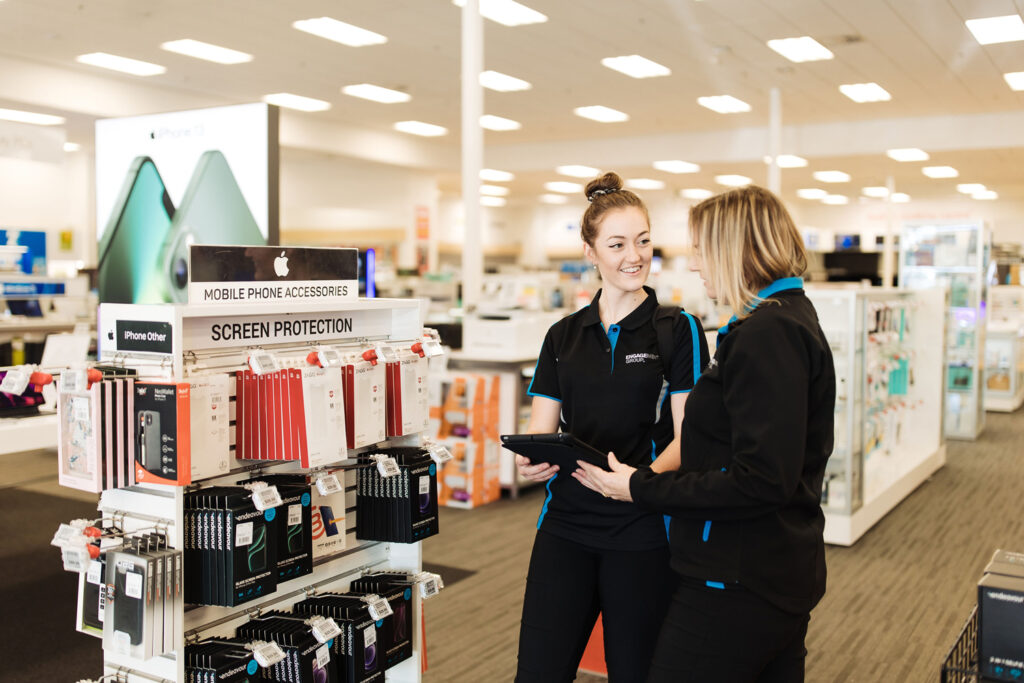
An FMCG merchandising example
A snack brand preparing for a New Zealand supermarket rollout needed support to improve visibility and encourage trial.
Engagement Group’s activity included:
- Reviewing store traffic and relevant category adjacencies
- Supporting prominent, retailer-approved display locations
- Using clear signage and visual blocking
- Positioning products near complementary categories
- Maintaining stock levels, facings and display condition
- Using brand ambassadors to offer samples and explain the product
- Monitoring execution and adjusting activity based on store-level feedback
The campaign recorded a 23% sales uplift during its first six weeks.
The result illustrates an important principle: display design works best when it is supported by stock availability, correct implementation, shopper engagement and ongoing measurement.
When should an FMCG brand use a merchandising partner?
A professional merchandising partner becomes particularly valuable when execution needs to happen consistently across multiple stores, regions or retail channels.
Support may be useful when a brand:
- Is entering or expanding in the New Zealand market
- Is launching a new product or range
- Needs nationwide or multi-region store coverage
- Has inconsistent availability or presentation
- Requires planogram or promotional compliance checks
- Needs displays installed, replenished and maintained
- Wants real-time visibility of store conditions
- Needs shopper feedback from the retail floor
- Does not have sufficient internal field coverage
- Requires a scalable team for a time-sensitive campaign
Engagement Group provides retail merchandising services across New Zealand, including replenishment, pricing checks, positioning, promotional activity, planogram support, new product launches and real-time reporting.
Our field team acts as the brand’s eyes and ears in-store, helping identify execution issues and turn campaign plans into consistent action at shelf level.
Frequently asked questions
What makes a retail product display effective?
An effective retail display makes the product available, noticeable and easy to understand. It combines appropriate shelf position, clear messaging, accurate pricing and sufficient stock. The display must also remain presentable as shoppers interact with it and products sell through.
How does shelf position influence shopper behaviour?
Shelf position affects whether a shopper notices and can easily reach a product. Eye-level positions, end caps and relevant secondary locations can improve visibility, but their effectiveness varies by category, shopper and store layout. Brands should test placements and compare performance rather than relying on one rule.
What is the difference between product placement and visual merchandising?
In a retail context, product placement describes where a product appears, for example, on a shelf, end cap or secondary display. Visual merchandising is broader and includes product arrangement, signage, colour, lighting, display material and store layout.
How can retail displays encourage impulse purchases?
Impulse displays present a relevant product where shoppers can make an easy additional decision. Checkout displays, promotional locations and complementary product groupings are common examples. Clear pricing, immediate availability and a simple message help turn attention into action.
How often should an FMCG display be checked?
The right frequency depends on sales velocity, store traffic, campaign length and stock availability. High-volume promotions may require frequent replenishment and compliance checks. Permanent displays also need regular attention because stock levels, tickets and presentation can deteriorate over time.
How do you measure whether a retail display is working?
Measure commercial outcomes such as rate of sale, sell-through and incremental sales alongside execution measures such as availability, facings, pricing accuracy and display compliance. Photographs and store feedback help explain why performance differs between locations.
When should a brand use professional merchandising services?
Professional merchandising is useful when a brand needs reliable execution across numerous stores, is managing a launch or promotion, or lacks its own field coverage. A merchandising team can replenish products, check pricing, maintain displays, collect evidence and report store-level issues.
When should an FMCG campaign use brand ambassadors?
Brand ambassadors are valuable when a product benefits from tasting, demonstration or explanation. They can support new launches, unfamiliar products and premium propositions by answering questions, encouraging trial and gathering direct feedback from shoppers.
Turn your retail plans into consistent in-store execution
A product cannot deliver its full potential if shoppers cannot find it, understand it or buy it.
Engagement Group helps FMCG brands with an existing or planned New Zealand presence improve in-store availability, product presentation, promotional execution and shopper engagement. With nationwide field coverage and real-time reporting, we help brand teams see what is happening at shelf level and respond quickly.
Contact Engagement Group to discuss an upcoming product launch, retail promotion or ongoing merchandising programme.
About the author
Rod Smith has more than 30 years of retail experience, including store-management experience with The Warehouse. He has led Engagement Group for more than 20 years, supporting brands across New Zealand retail channels.
About the Author